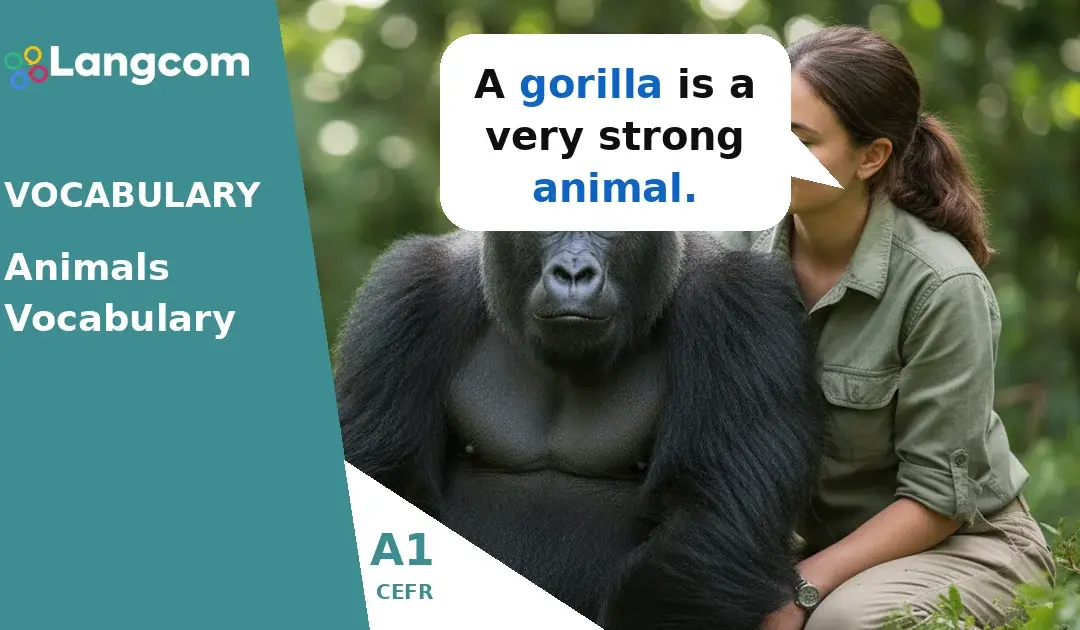
投稿者 ラウル | 9月 25, 2026 | A1 Movers
Learning animal names in English is a fantastic way to build your basic vocabulary for A1 level. Knowing words like bee, spider, mosquito, parrot, gorilla, camel, tiger, and whale helps you talk about the world around you. You can describe pictures, understand simple...

投稿者 ラウル | 2026年9月24日 | C1 Advanced (CAE)
The passive voice is a key grammatical structure in C1 English, used to shift focus from the doer of an action to the action itself or its recipient. It is formed with a form of the verb ‘be’ + the past participle of the main verb. This construction is...
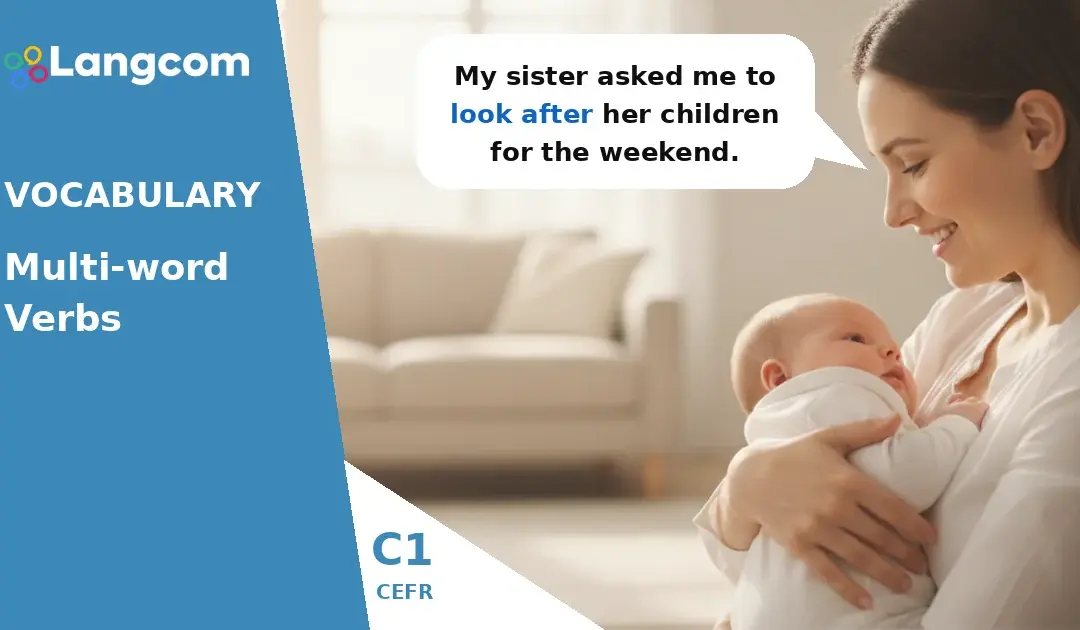
投稿者 ラウル | 2026年9月24日 | C1 Advanced (CAE)
Multi-word verbs, also known as phrasal verbs, are essential for C1 English learners because they make your language sound natural and fluent. These verbs combine a main verb with a particle (a preposition or an adverb), and sometimes two particles. The meaning of a...

投稿者 ラウル | 2026年9月24日 | C1 Advanced (CAE)
Understanding the subtle differences between no, none, and not is crucial for C1 English learners aiming for precision and natural expression. No functions as a determiner, meaning ‘not any’ or ‘not a single,’ and always comes directly before a...

投稿者 ラウル | 2026年9月24日 | C1 Advanced (CAE)
Many English nouns can be both countable and uncountable, but their meaning often changes depending on how they are used. Understanding this flexibility is key for C1 learners. When a noun is uncountable, it refers to a general concept, a substance, or an activity,...
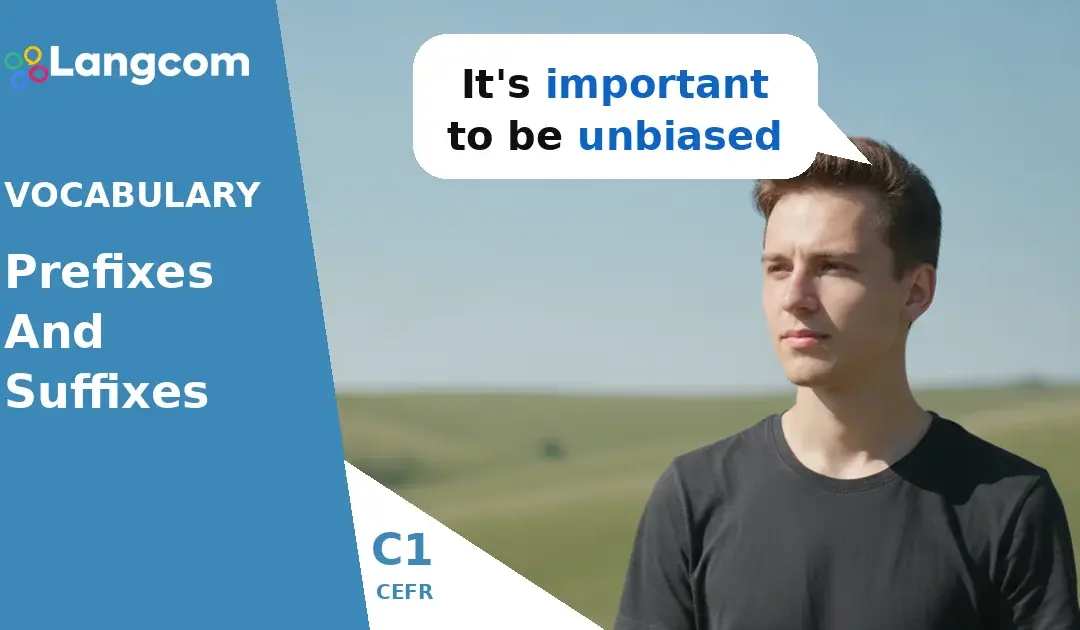
投稿者 ラウル | 2026年9月24日 | C1 Advanced (CAE)
Negative prefixes are small groups of letters added to the beginning of a word to change its meaning to the opposite. They are powerful tools for expanding your C1 English vocabulary, allowing you to create new words and understand complex texts without needing to...
