投稿者 ラウル | 9月 14, 2026 | A2 Key (KET)
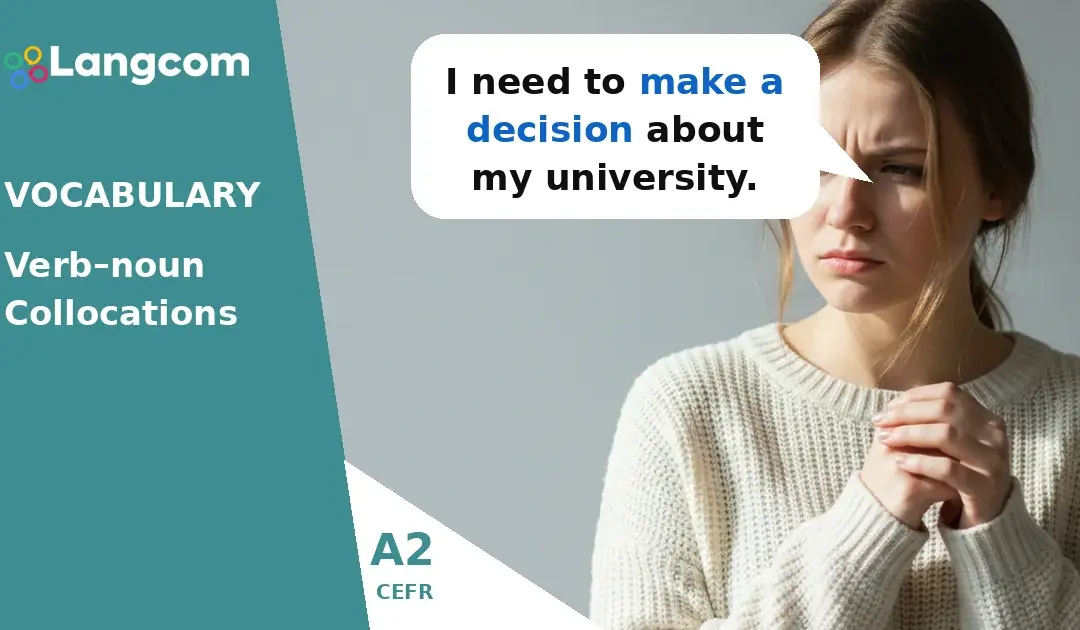
Verb-noun collocations are pairs of words, a verb and a noun, that naturally go together in English. Learning these common combinations, like make a mistake or do homework, is key to sounding more natural and fluent. Unlike simply knowing individual words,...
投稿者 ラウル | 9月 14, 2026 | A2 Key (KET)
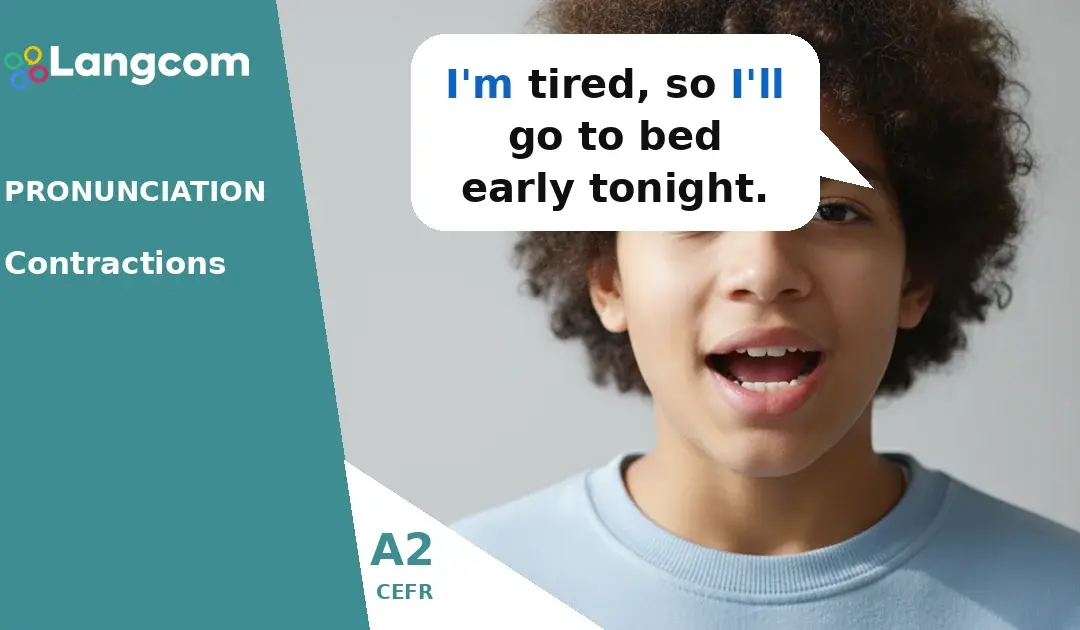
Contractions are shortened forms of two words, joined by an apostrophe, that help English speakers sound more natural and fluent. They are very common in spoken English and informal writing, making your sentences quicker and easier to say. For example, instead of...

投稿者 ラウル | 9月 14, 2026 | A2 Key (KET)
The infinitive of purpose tells you *why* someone does something. We use the structure to + base form of the verb to explain the reason or goal of an action. For example, if you say I went to the shop to buy milk, the phrase to buy milk explains *why* you went to the...
投稿者 ラウル | 9月 14, 2026 | B2 First(FCE)
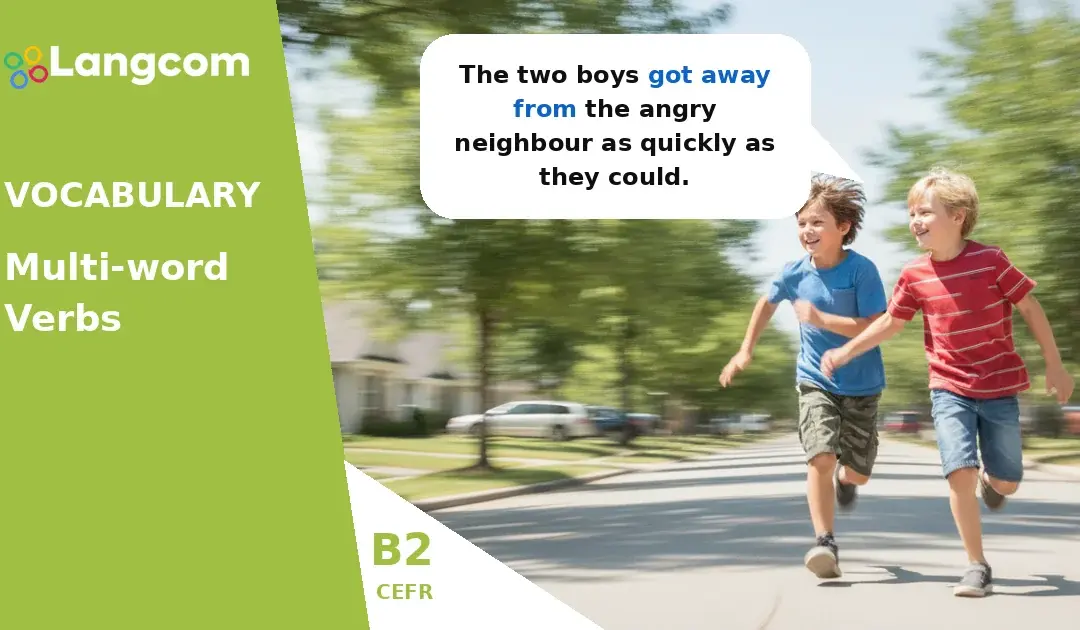
Phrasal verbs with GET are extremely common and important for B2 English learners. These verbs combine GET with a preposition or adverb, creating new meanings that are often very different from the original verb. Mastering them will make your English sound more...
投稿者 ラウル | 2026年9月13日 | B2 First(FCE)
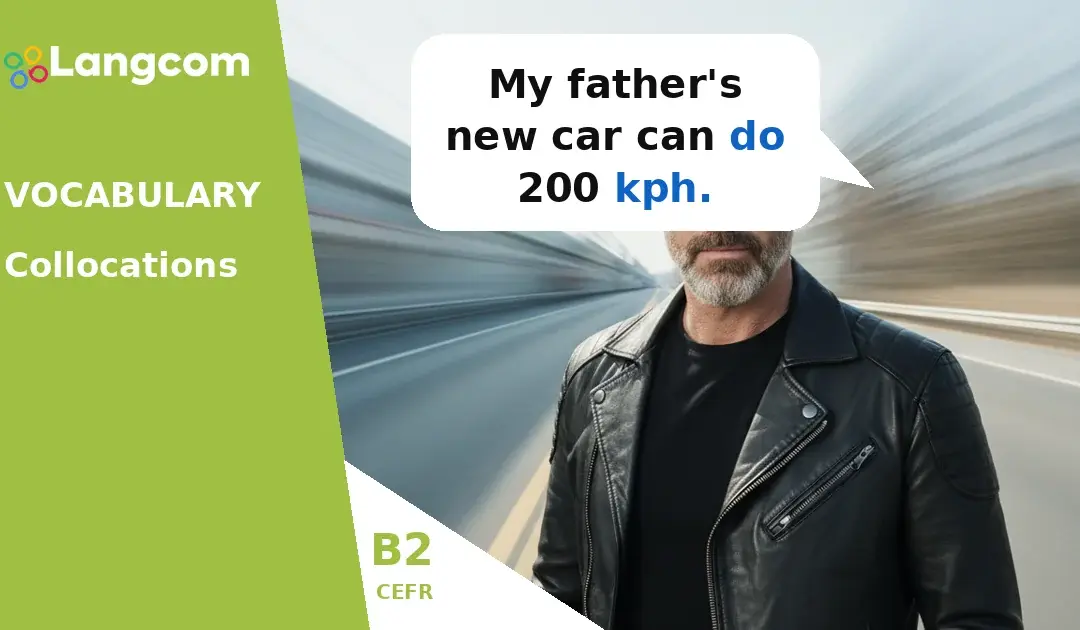
Collocations are pairs or groups of words that naturally go together in English. They are not just random words; they are combinations that native speakers use all the time. Learning collocations helps your English sound more natural and fluent, moving beyond direct...
投稿者 ラウル | 2026年9月13日 | B2 First(FCE)
Understanding used to, would, be used to, and get used to is key for B2 English learners to talk about past habits, past states, and becoming accustomed to something. Used to describes actions or situations that were regular in the past but are not now, like I used to...
