

What is Intonation in English?
Intonation is like the music of English. It is the way your voice’s pitch changes when you speak. Your voice can go up, go down, or stay flat. These changes are very important because they help to communicate meaning, emotions, and your attitude.
For B1 learners, understanding intonation is crucial for clear communication. It helps you not only to be understood but also to understand others better.
🎓 Aprende inglés con el método mixto
Grupos reducidos · Tutor de IA disponible las 24 horas del día, los 7 días de la semana · Preparación para los exámenes de Cambridge
Planes de $39 $79 al mes
How Does Falling Intonation Make You Sound Sure?
When your voice goes down at the end of a sentence, this is called falling intonation. It is the most common intonation pattern for statements and commands in English.
- Statements: Se utiliza falling intonation when you are giving information or making a statement that you are confident about. It makes you sound sure and definite.
- Commands: When you give an instruction or a command, your voice usually falls at the end.
- Wh-questions: Questions that start with 'who', 'what', 'where', 'when', 'why', 'how' (information questions) also typically use falling intonation.
How Does Rising Intonation Make You Sound Unsure?
When your voice goes up at the end of a sentence, this is called rising intonation. This pattern often signals uncertainty or that you are asking a question.
- Yes/No Questions: For questions that can be answered with 'yes' or 'no', your voice usually rises at the end. This makes it clear you are asking for information.
- Checking Information: If you are not completely sure about something and want to confirm, you can use rising intonation. This shows you are seeking confirmation.
- Expressing Doubt: Sometimes, rising intonation can show that you are unsure or surprised, even in a statement.
| Intonation Pattern | Significado | Example |
|---|---|---|
| Falling Intonation (Voice goes down) | You are sure, confident, making a statement. | I understand the instructions. |
| Rising Intonation (Voice goes up) | You are unsure, asking a question, checking information, or expressing doubt. | I understand the instructions? |
Ejemplos
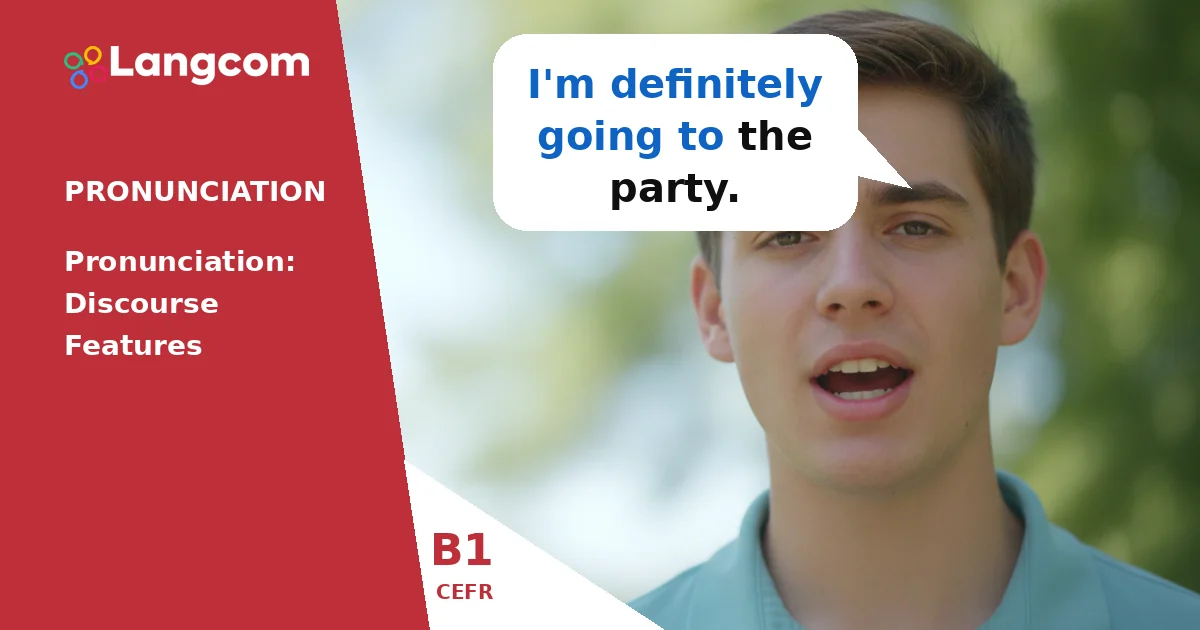
- I'm definitely going to the party. (Sure - Falling intonation)
- The meeting is at 10 AM. (Sure - Falling intonation)
- She finished her homework. (Sure - Falling intonation)
- Are you going to the party? (Unsure/Question - Rising intonation)
- The meeting is at 10 AM? (Unsure/Checking - Rising intonation)
- She finished her homework...? (Unsure/Doubt - Rising intonation)
Práctica
✍️ ¿No sabes en qué nivel estás?
Realiza nuestra prueba de nivel gratuita y recibe comentarios personalizados de examinadores certificados por Cambridge.
Realice nuestra prueba de nivel GRATUITAErrores habituales de los hispanohablantes
Many Spanish speakers might use a flatter intonation when speaking English. In Spanish, intonation might not always carry the same level of certainty or uncertainty as it does in English.
- Mistake: Using flat intonation for a statement that should sound sure. This can make you sound less confident or even uninterested.
- Correction: Practice letting your voice fall at the end of statements to convey certainty. For example, say I'm ready. with a clear downward tone.
- Mistake: Uso de falling intonation for a question where you are unsure or asking for confirmation. This can make it sound like you are making a statement instead of asking a question.
- Correction: Remember to raise your voice at the end of yes/no questions or when you are checking information, as in It's on Tuesday?
Preguntas más frecuentes
What is intonation?
Intonation is the rise and fall of your voice when you speak. It's like the music of language. It helps to show emotions, attitudes, and whether you are asking a question or making a statement.
Can intonation change the meaning of a sentence?
Yes, absolutely! The same words can have different meanings depending on your intonation. For example, You're coming? con rising intonation is a question, but You're coming. con falling intonation is a statement.
How can I practice sounding sure and unsure?
Listen carefully to native English speakers in movies, podcasts, or conversations. Try to imitate their intonation patterns. Record yourself speaking and compare it to native speakers. Focus on the pitch of your voice at the end of sentences to sound sure o unsure.


0 Comentarios