by Raúl | Jul 16, 2026 | Pre A1 Beginner English for Kids
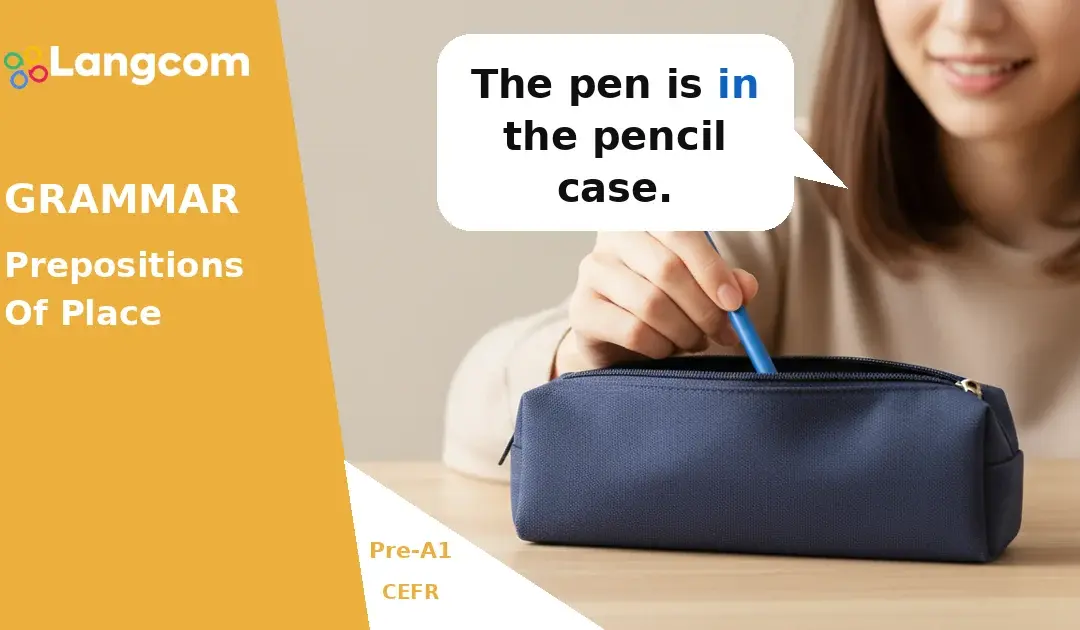
Prepositions of place tell you *where* something is located. We use words like in, on, under, and next to to describe the position of people or objects. For example, if your book is inside your bag, you say The book is in the bag. If it’s on top of the table,...
by Raúl | Jul 16, 2026 | Pre A1 Beginner English for Kids
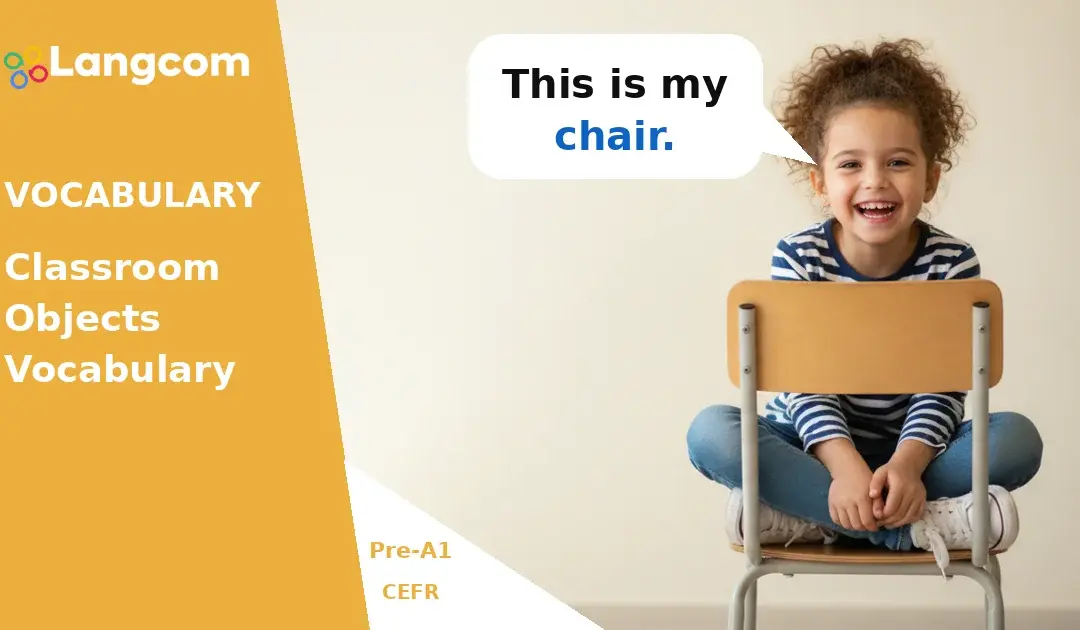
Learning the names of classroom objects in English is a fantastic first step for Pre-A1 learners. These words help you talk about your learning environment every day. You will learn essential vocabulary like desk, chair, window, door, and light. Knowing these basic...
by Raúl | Jul 16, 2026 | Pre A1 Beginner English for Kids
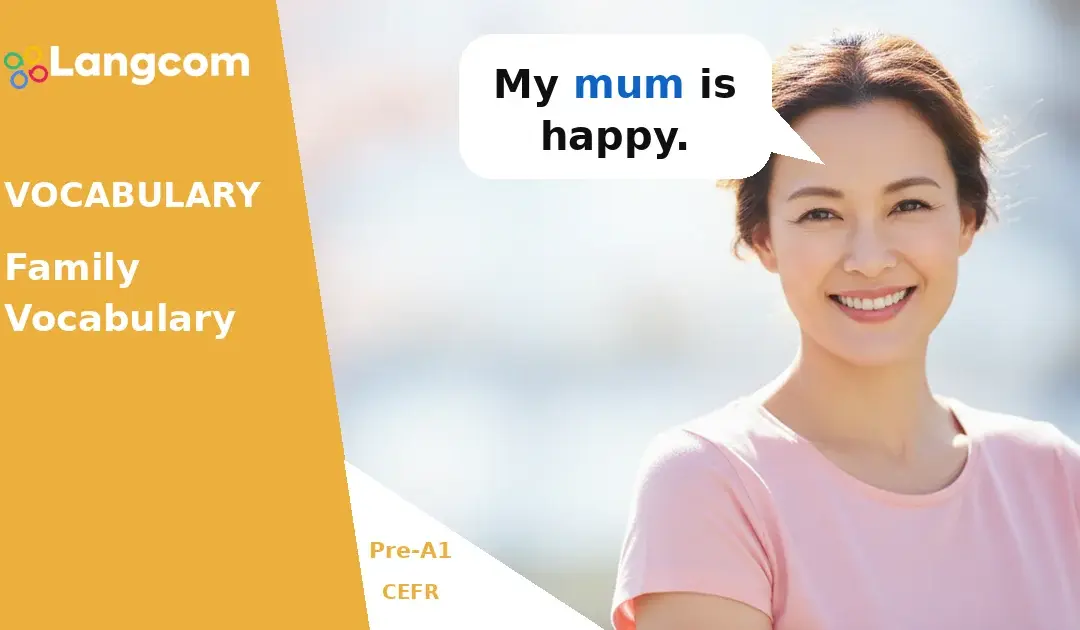
Learning basic English words for family members helps you talk about the people you love. You can introduce your mum and dad, or talk about your brother and sister. These words are very common and important for daily conversations. We also learn words for...
by Raúl | Jul 16, 2026 | A2 Basic English
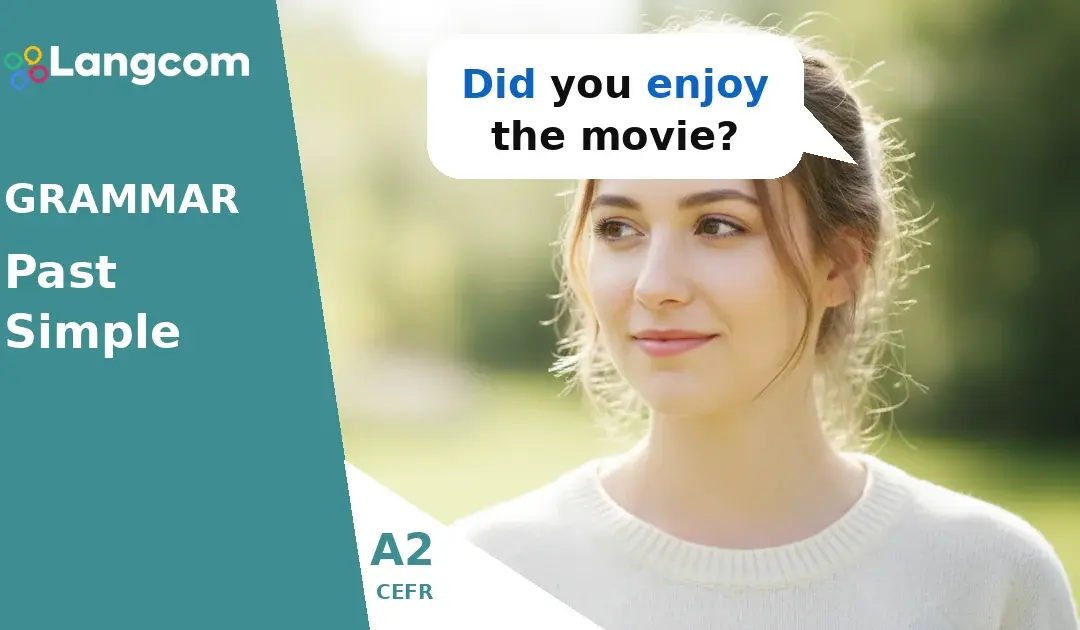
To ask questions about completed actions in the past, you need the auxiliary verb did. This is the most important rule for Past Simple questions in English. We use did with all subjects (I, you, he, she, it, we, they). After did and the subject, the main verb always...
by Raúl | Jul 16, 2026 | A2 Basic English
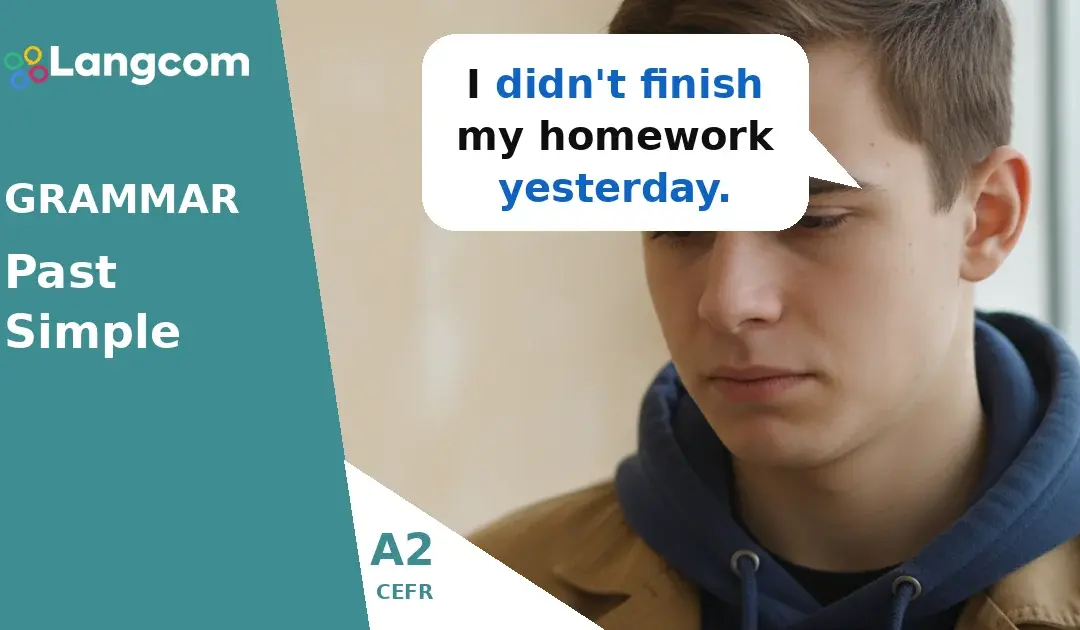
To make a sentence negative in the past simple, you use the auxiliary verb did with not, followed by the base form of the main verb. This means the main verb does not change its form. The most common way to say this is using the contraction didn’t. For example,...
by Raúl | Jul 16, 2026 | A2 Basic English
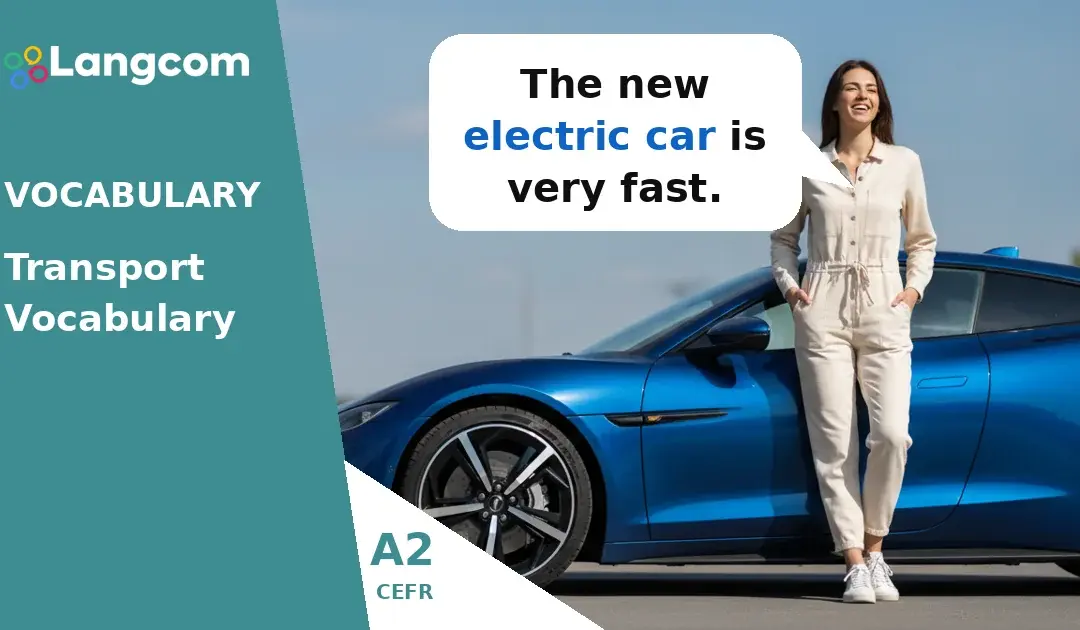
Adjectives help us describe things, including different types of transport. When you talk about a car, a bus, or a train, you can use adjectives to explain how it feels, how it moves, or its condition. For example, you can say a train is fast or a bus is crowded....
