by Raúl | Jul 17, 2026 | Pre A1 Beginner English for Kids
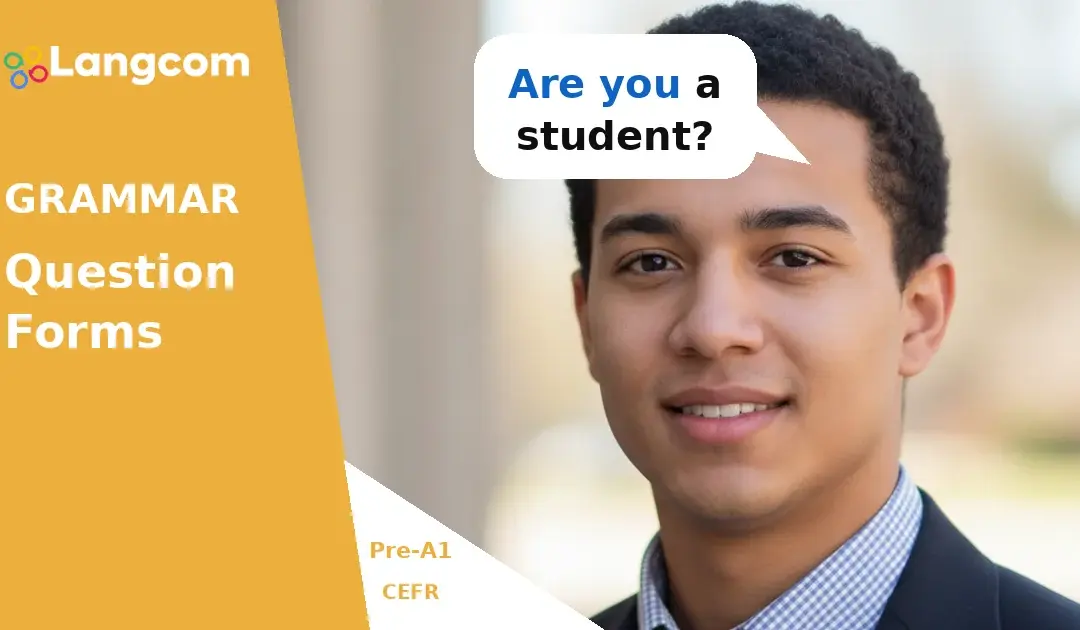
To ask a simple yes/no question in English, you usually change the order of words. Instead of “Subject + Verb,” you put the verb or an auxiliary verb (like do, can, have) before the subject. For example, if you want to ask about someone’s happiness,...
by Raúl | Jul 17, 2026 | A1 Beginner English
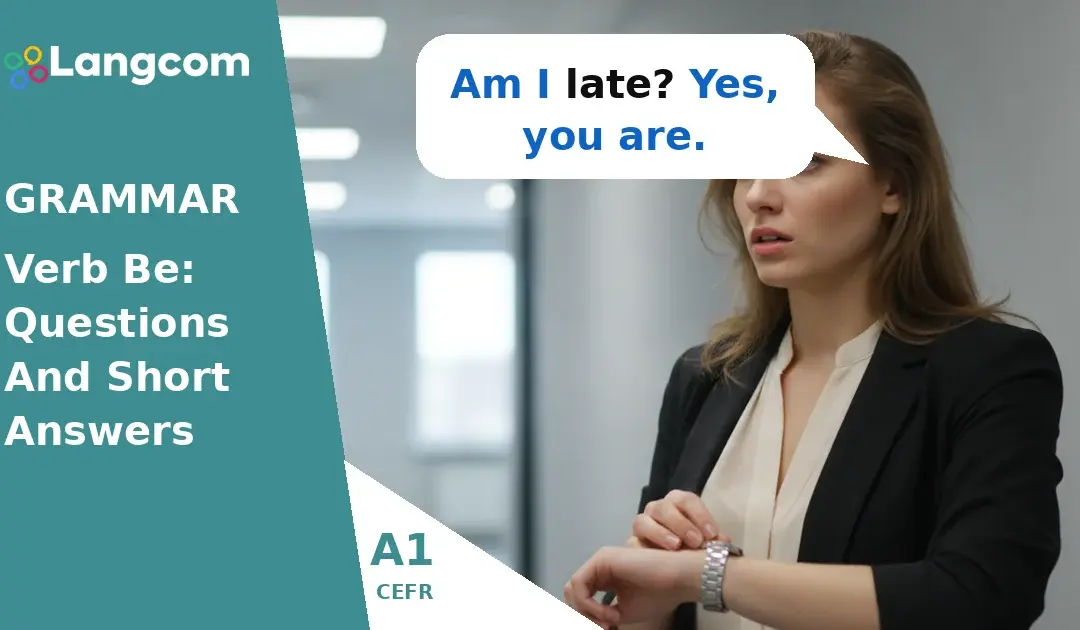
To ask a question with the verb be in English, you simply change the word order: put be before the subject. For example, instead of You are happy., you say Are you happy? This simple inversion is key for all be questions. When answering these questions, use short...
by Raúl | Jul 17, 2026 | A1 Beginner English
Personality adjectives help you describe how people act and feel. These words are very useful for talking about yourself, your friends, and family in English. For example, if someone likes to meet new people and go to parties, they are sociable. If someone talks a...
by Raúl | Jul 16, 2026 | A1 Beginner English
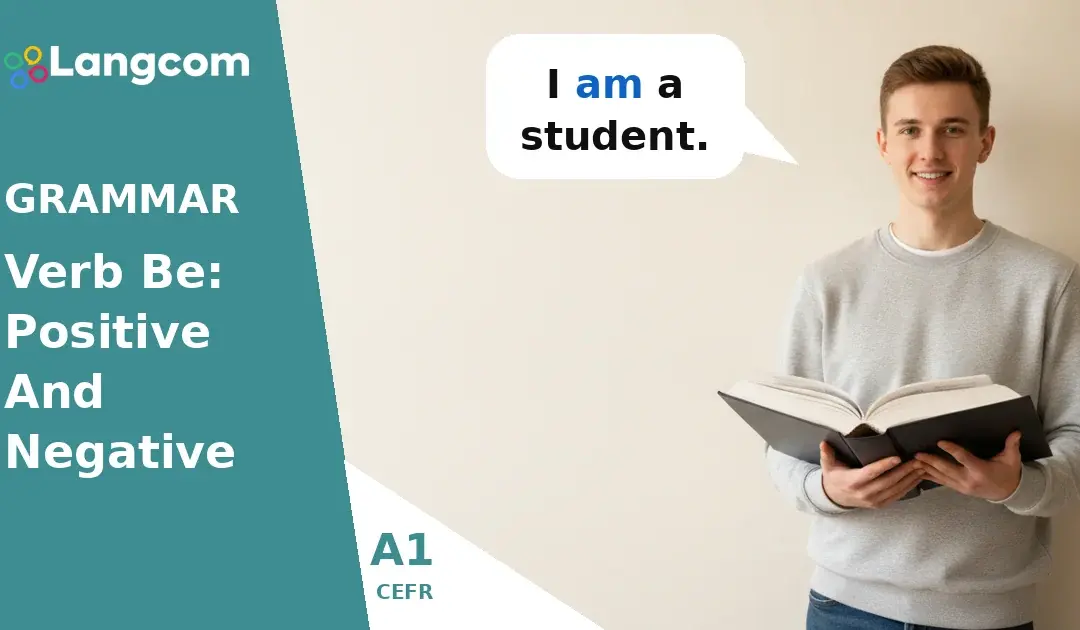
The verb be is one of the most important verbs in English. It helps us talk about who we are, where we are, and what things are like. In English, be means both ‘ser’ and ‘estar’ from Spanish. It changes its form depending on the subject: am for...
by Raúl | Jul 16, 2026 | A1 Beginner English
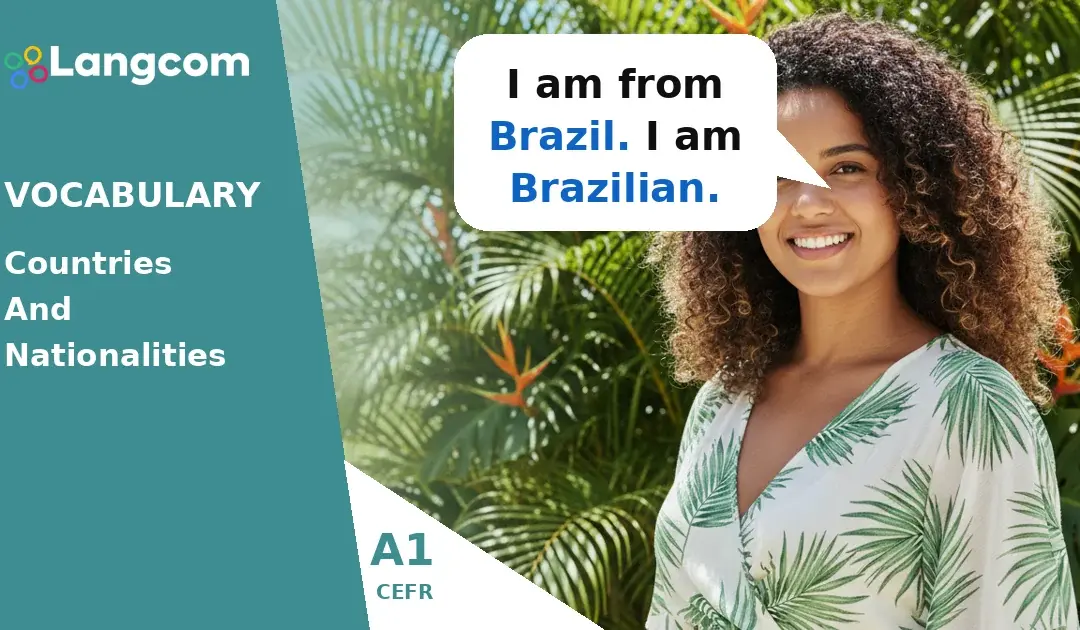
Countries are places where people live, and nationalities describe where a person is from. Learning these words helps you talk about yourself and others. For example, Spain is a country, and Spanish is the nationality. We always use a capital letter for both countries...
by Raúl | Jul 16, 2026 | Pre A1 Beginner English for Kids
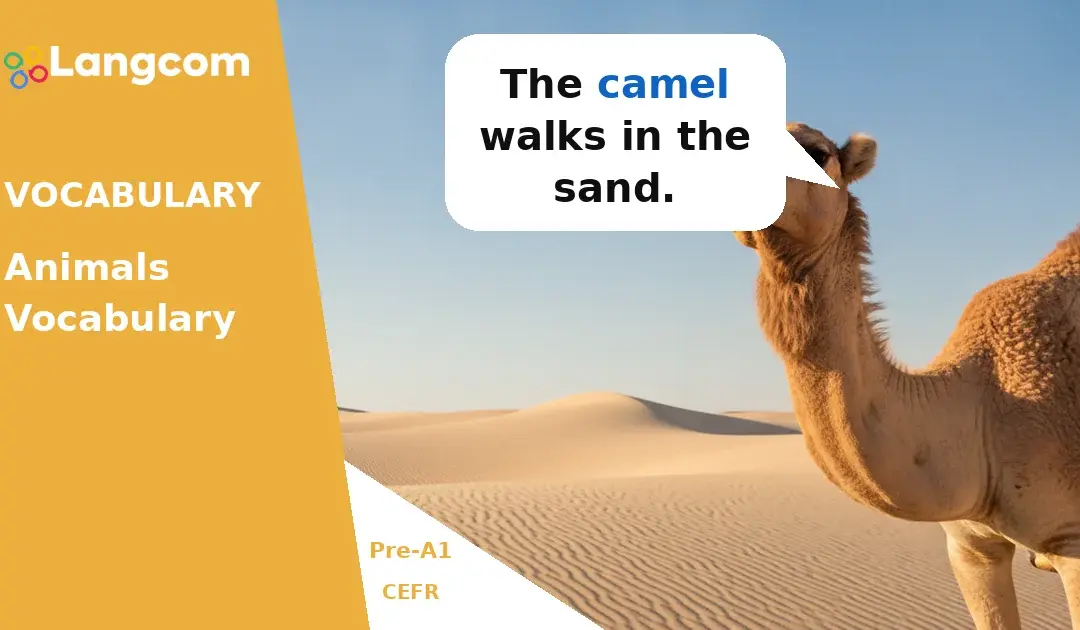
Learning the names of animals is a great first step to building your English vocabulary. Knowing these words helps you talk about the world around you, describe pictures, and understand simple stories. This lesson introduces eight common animal names: bee, spider,...
