

What is the difference between ‘wear’ and ‘dress’?
These two verbs are often confused, but they have different meanings and uses.
-
نحن نستخدم wear to talk about the clothes you have on your body. It describes a state, not an action. You are wearing something right now.
-
نحن نستخدم dress to talk about the action of putting clothes on yourself or someone else. It describes the process of getting ready.
🎓 تعلم اللغة الإنجليزية باستخدام الطريقة المختلطة
مجموعات صغيرة · مدرس ذكاء اصطناعي متاح على مدار الساعة · التحضير لامتحانات كامبريدج
خطط من $39 $79 في الشهر
How do we use 'put on', 'take off', and 'try on'?
These are phrasal verbs that describe specific actions with clothes.
-
Put on: This means to place clothes onto your body. It is the opposite of take off.
-
Take off: This means to remove clothes from your body. It is the opposite of put on.
-
Try on: This means to put on clothes to see if they fit or look good, usually in a shop.
Are there other useful phrases for talking about clothes and appearance?
Yes, English has many common expressions related to getting ready and how you look.
-
Get dressed: This means to put on your clothes. It's similar to dress but often used informally.
-
Get undressed: This means to take off your clothes.
-
Look your best: This means to look as attractive as possible, often for a special occasion.
-
A new outfit: This refers to a complete set of new clothes, usually bought together for a specific event.
-
Have a shave: This means to remove hair from your face with a razor.
-
Go to the hairdresser's: This means to visit a salon to have your hair cut or styled.
-
Go to the beautician's: This means to visit a salon for beauty treatments like manicures or facials.
| الفعل | المعنى | مثال |
|---|---|---|
| wear | To have clothes on your body (state) | She is wearing a blue jumper. |
| dress | To put clothes on yourself or someone else (action) | He needs to dress quickly. |
| put on | To place clothes onto your body (action) | I will put on my new trainers. |
| take off | To remove clothes from your body (action) | Please take off your wet raincoat. |
| try on | To put on clothes to check fit or appearance (action) | Can I try on these shorts? |
أمثلة
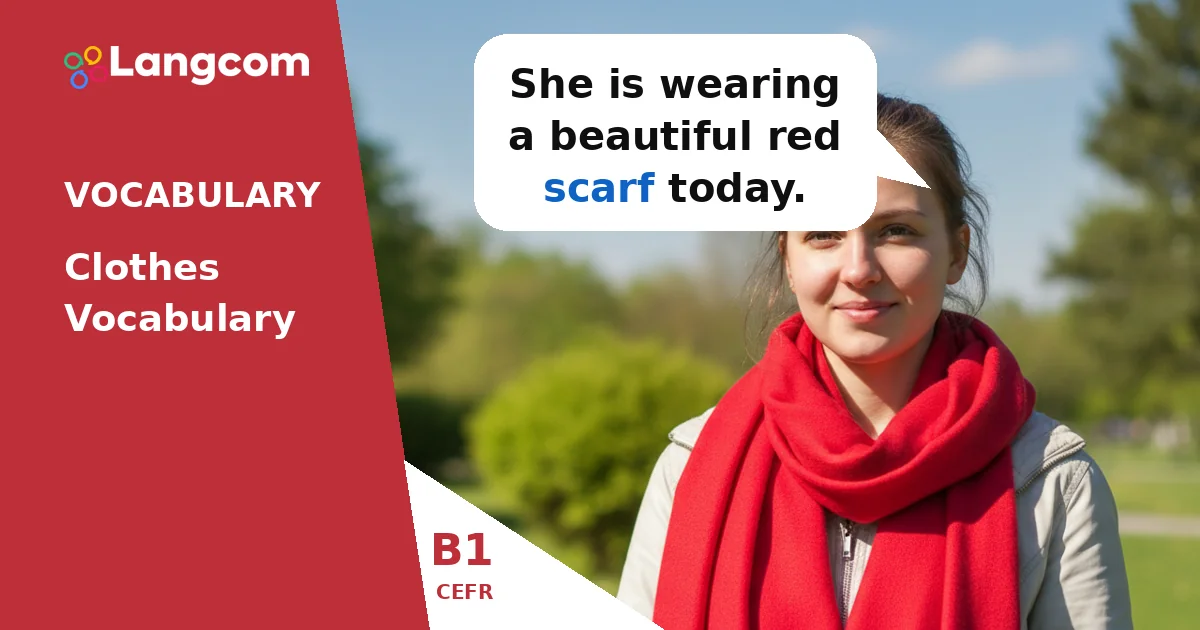
- She is wearing a beautiful red scarf today.
- I need to dress my baby before we leave the house.
- Please put on your hat and gloves; it's cold outside.
- He always takes off his boots when he comes inside.
- I want to try on these trainers to see if they fit.
- For the wedding, I want to look my best in a new suit.
التدريب
✍️ لست متأكدًا من مستواك؟
خُذ اختبار تحديد المستوى المجاني الخاص بنا واحصل على تعليقات مخصصة من ممتحنين معتمدين من كامبريدج.
قم بإجراء اختبار تحديد المستوى المجانيالأخطاء الشائعة لدى المتحدثين باللغة الإسبانية
مربك wear و dress
Many Spanish speakers confuse wear و dress because the verb 'vestir' in Spanish can mean both 'to wear' and 'to dress'.
-
خطأ: I dress a jumper.
الصحيح: I am wearing a jumper. (State)
الصحيح: I put on a jumper. (Action)
-
خطأ: She wears her children.
الصحيح: She dresses her children. (Action)
استخدام dress with an object (clothing item)
You dress yourself أو dress someone else, but you do not dress a specific item of clothing.
-
خطأ: I dressed my new shorts.
الصحيح: I put on my new shorts.
الصحيح: I am wearing my new shorts.
الأسئلة الشائعة
What is the past tense of 'wear'?
The past tense of wear هو wore, and the past participle is worn. على سبيل المثال،, Yesterday, I wore my favourite boots.
Can I say 'I am dressed'?
نعم،, I am dressed is a common phrase. It means you have finished putting on your clothes and are no longer naked. For example, I can't open the door yet, I'm not dressed!
What is the difference between 'clothes' and 'clothing'?
Clothes is a plural noun and is more common in everyday speech (e.g., I need to buy new clothes.). Clothing is an uncountable noun and is often used in more formal contexts or when talking about types of garments (e.g., winter clothing, protective clothing).
How are these verbs useful for B1 English exams?
Understanding these verbs is very useful for B1 exams. You might need to describe people's appearance, talk about your daily routine, or discuss shopping for clothes. For example, in a speaking task, you could describe what you are wearing أو what you put on this morning.


0 تعليق