

How do we talk about the future in English?
In English, there are different ways to talk about things that will happen later. At A1 level, the two most important ways are using will وـ present continuous tense.
These two forms help you express different types of future events. It is important to know when to use each one.
🎓 تعلم اللغة الإنجليزية باستخدام الطريقة المختلطة
مجموعات صغيرة · مدرس ذكاء اصطناعي متاح على مدار الساعة · التحضير لامتحانات كامبريدج
خطط من $39 $79 في الشهر
When do we use will?
نحن نستخدم will for two main situations:
- Predictions: When you think something will happen, but you are not 100% sure. It is your opinion.
- Spontaneous Decisions: When you decide something at the moment you are speaking. It is a quick decision.
The form for will is simple:
- Subject + will + base verb (the verb without to, ، مثل go, eat, be).
For negative sentences, we use will not أو won't.
- I will not go. / I won't go.
When do we use the present continuous for the future?
نحن نستخدم present continuous to talk about definite plans and arrangements for the future. These are things you have already organized. You have a time, a place, or a ticket.
The form for the present continuous is:
- Subject + am/is/are + verb-ing (the verb with +ing, ، مثل going, eating, being).
في الجمل النفيّة، نضيف not بعد am/is/are.
- I am not going. / She isn't coming.
What is the difference between will و present continuous?
The main difference is about how sure or planned the future event is:
- الاستخدام will for things you think will happen, or decisions you make right now. It is often less certain or not planned in advance.
- Use the present continuous for things you have already planned and arranged. It is a fixed plan.
Think of it like this:
- Will = "I think this will happen" or "I decide this now."
- Present continuous = "This is already in my calendar."
| الاستخدام | مثال |
|---|---|
| Predictions, spontaneous decisions | I think it will be cold. |
| Fixed plans, arrangements | I am meeting John at 3 PM. |
أمثلة
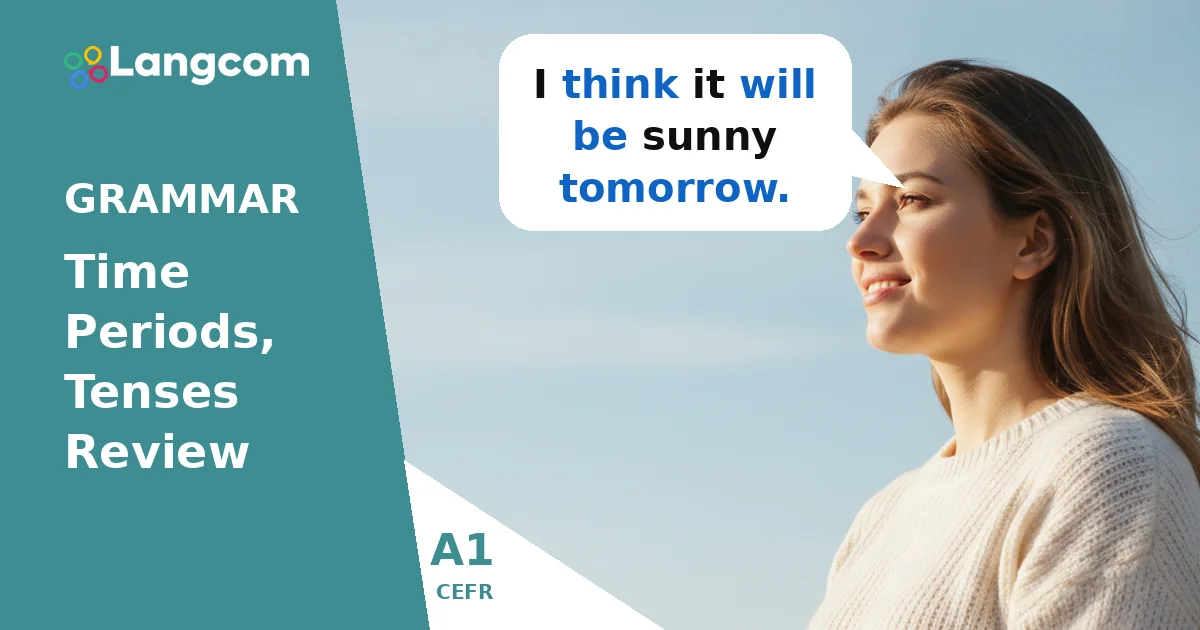
- I think it will be sunny tomorrow.
- Oh, the phone is ringing! I will answer it.
- She will probably arrive late.
- We are having dinner at a restaurant tonight.
- They are flying to Paris next month.
- Are you working on Saturday?
- I won't forget your birthday.
- He isn't coming to the party.
التدريب
💬 هل تحتاج إلى إرشادات مخصصة؟
بصفتنا مركزًا معتمدًا للتحضير لاختبارات كامبريدج، يمكننا توجيهك نحو الدورة والشهادة المناسبتين لك. تحدث مع مستشارينا اليوم.
دردش مع مستشار على واتسابالأخطاء الشائعة لدى المتحدثين باللغة الإسبانية
يرتكب المتحدثون باللغة الإسبانية أحيانًا الأخطاء التالية:
- استخدام will for all future plans: In Spanish, you often use one future tense for many situations. In English, it is important to choose correctly.
خطأ: I will meet my friend at 7 PM tomorrow. (If it's a fixed plan)
على اليمين: I am meeting my friend at 7 PM tomorrow.
- نسيان verb-ing form with am/is/are: Remember the full structure for the present continuous.
خطأ: We are go to the cinema tonight.
على اليمين: We are going to the cinema tonight.
الأسئلة الشائعة
Can I use will for plans?
You can use will for plans you decide right now, or for general intentions. But for fixed plans, like appointments or tickets, the present continuous is better. For example, I will visit my aunt soon (general intention) vs. I am visiting my aunt on Saturday (fixed plan).
Is be going to also for the future?
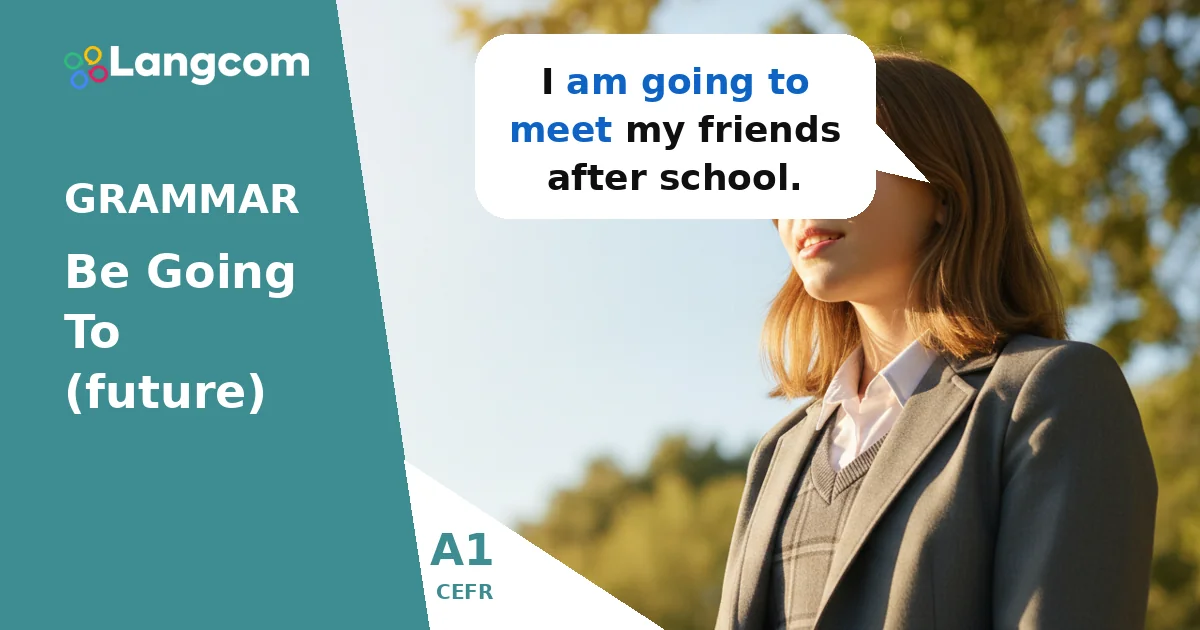
نعم،, be going to is also for the future! It is used for plans you have already made (similar to present continuous) and for predictions based on present evidence. For example, Look at those clouds! It is going to rain. At A1, focus on will و present continuous first.
What are common future time words?
You can use many time words with both will وـ present continuous. Some common ones are: tomorrow, next week, next month, next year, tonight, soon, in five minutes, on Monday.
Why is it important to learn these different future forms?
Learning these forms helps you speak more accurately and naturally in English. It shows if your future event is a prediction, a quick decision, or a definite plan. This makes your communication clearer for others.


0 تعليق