


What is will for?
نحن نستخدم will to talk about the future.
- We use it for predictions: things we think or believe will happen.
- We also use it for decisions we make at the moment of speaking (spontaneous decisions).
The form is simple: Subject + will + base form of the verb.
- I will call you later. (A decision made now)
- It will be sunny tomorrow. (A prediction)
You can use a short form for will. ونقول ‘ll.
- I’ll help you. (Same as I will help you.)
- She’ll arrive soon. (Same as She will arrive soon.)
🎓 تعلم اللغة الإنجليزية باستخدام الطريقة المختلطة
مجموعات صغيرة · مدرس ذكاء اصطناعي متاح على مدار الساعة · التحضير لامتحانات كامبريدج
خطط من €39 €79 في الشهر
How do we use won't?
Won't هو الاختصار لـ will not.
- نحن نستخدم won't to talk about things we believe will not happen in the future.
- It can also show a refusal, meaning someone does not want to do something.
The form is: Subject + won't + base form of the verb.
- He won't come to the party. (A negative prediction)
- My car won't start. (It refuses to start)
How do we ask questions with will?
To ask a question about the future with will, we change the word order.
- We put will at the beginning of the sentence, before the subject.
The form is: Will + subject + base form of the verb?
- Will you visit your family next month?
- Will it snow tomorrow?
For short answers, we say:
- Yes, I will.
- No, I won't.
أمثلة
- I think I will buy a new phone soon.
- She won't forget your birthday.
- Will they travel by train?
- It'll be cold later, so take a jacket.
- We won't have time for a break.
التدريب
💬 هل تحتاج إلى إرشادات مخصصة؟
بصفتنا مركزًا معتمدًا للتحضير لاختبارات كامبريدج، يمكننا توجيهك نحو الدورة والشهادة المناسبتين لك. تحدث مع مستشارينا اليوم.
دردش مع مستشار على واتسابالأخطاء الشائعة لدى المتحدثين باللغة الإسبانية
- إضافة -s to the verb: Remember, after will أو won't, the verb is always in its base form. Do not add -s من أجل he/she/it.
✗ He will goes.
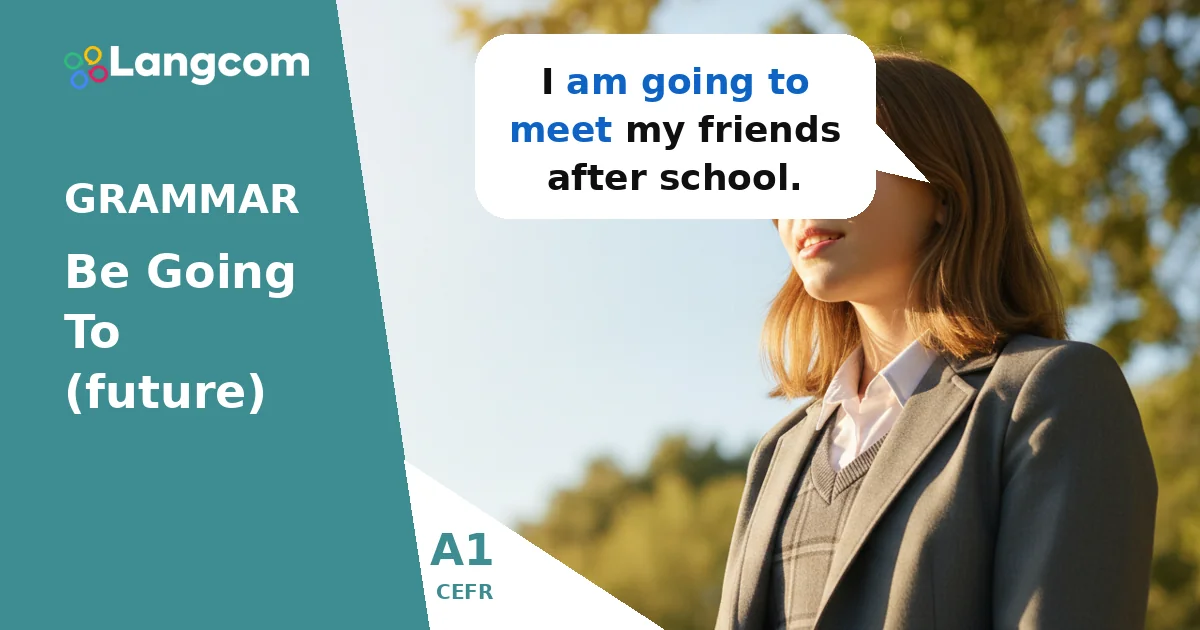
✓ He will go. - مربك will مع going to: For A1, focus on will for predictions and spontaneous decisions. Going to is often for plans you made before speaking.
✗ (You decide now) I am going to help you.
✓ (You decide now) I will help you. - النسيان will: Sometimes, Spanish speakers might translate directly and forget will.
✗ I go to the cinema tomorrow.
✓ I will go to the cinema tomorrow.
الأسئلة الشائعة
What is the main use of 'will'?
The main use of will is to talk about future predictions (things you think will happen) and spontaneous decisions (decisions made at the moment of speaking).
Can I use 'will' for future plans?
نعم، يمكنك استخدام will for plans, especially if they are spontaneous or decided at the moment. For plans made earlier, be going to is also common, but will is perfectly fine for A1 learners to express future actions.
Is 'won't' formal or informal?
Won't هو اختصار لـ will not. It is commonly used in everyday spoken English and informal writing. It is not considered informal in a negative way; it is standard.
What is the short form of 'will'?
الصيغة المختصرة لـ will هو 'll. على سبيل المثال،, I will يصبح I'll, ، و she will يصبح she'll.


0 تعليق