بواسطة راؤول | 13 يوليو 2026 | اللغة الإنجليزية للمبتدئين (ما قبل المستوى A1) للأطفال
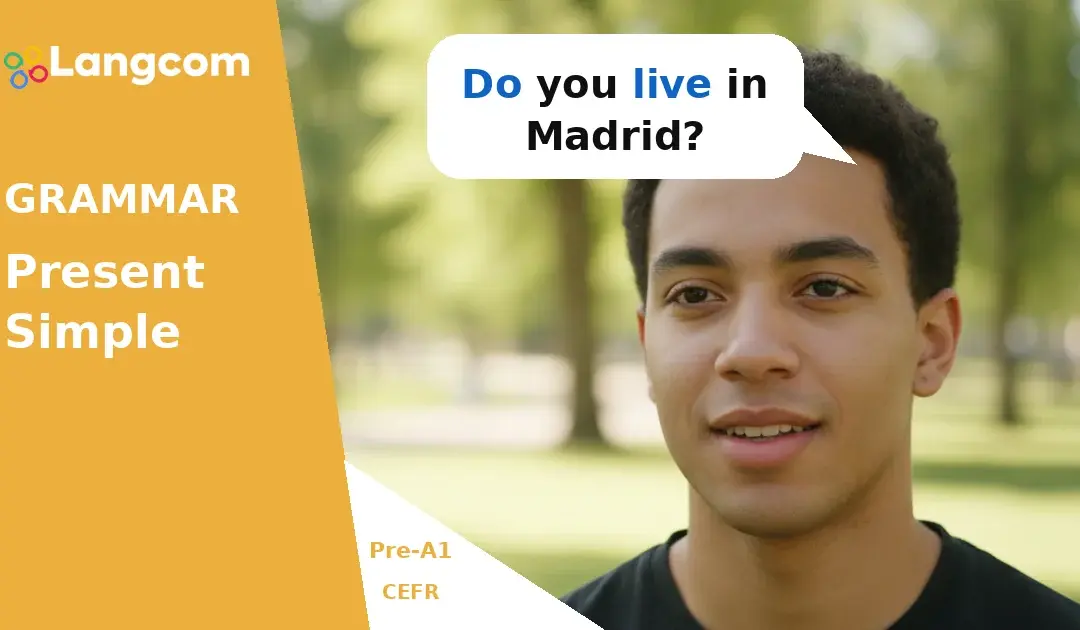
To ask questions in the present simple, we use the helping verbs do or does before the subject. This is how we ask about habits, routines, facts, and general truths. For example, you ask Do you like pizza? to know someone’s general preference. We use do for...
بواسطة راؤول | 13 يوليو 2026 | اللغة الإنجليزية للمبتدئين (ما قبل المستوى A1) للأطفال
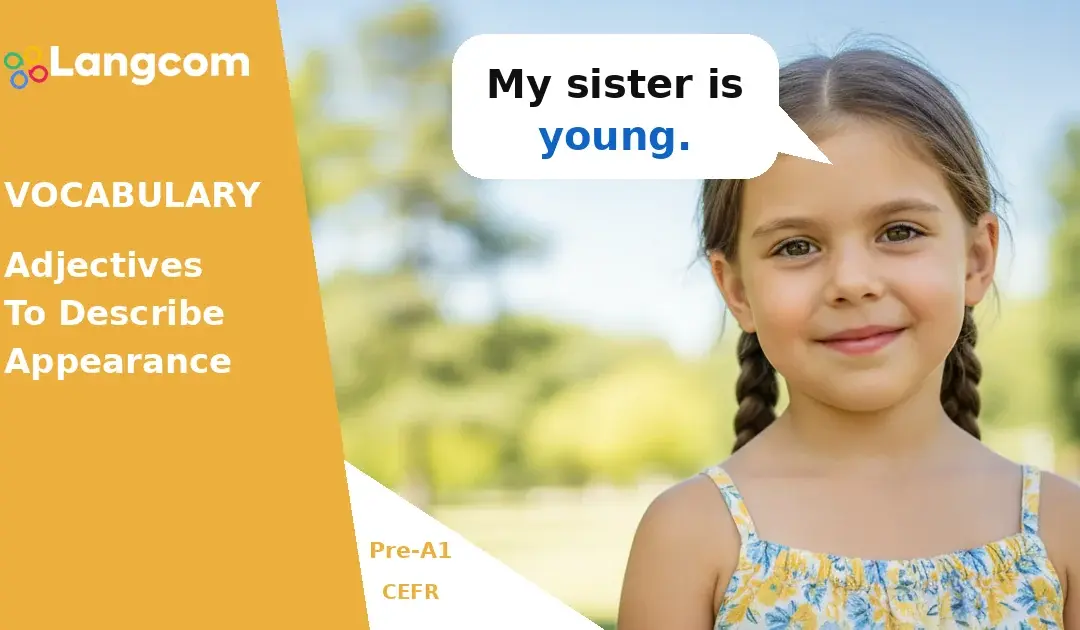
Adjectives for appearance are words that describe how a person looks. These words help you talk about someone’s age, size, or general look. For example, you can say She is tall or He is young. In English, adjectives usually come before the noun they describe,...
بواسطة راؤول | 13 يوليو 2026 | اللغة الإنجليزية للمبتدئين (ما قبل المستوى A1) للأطفال
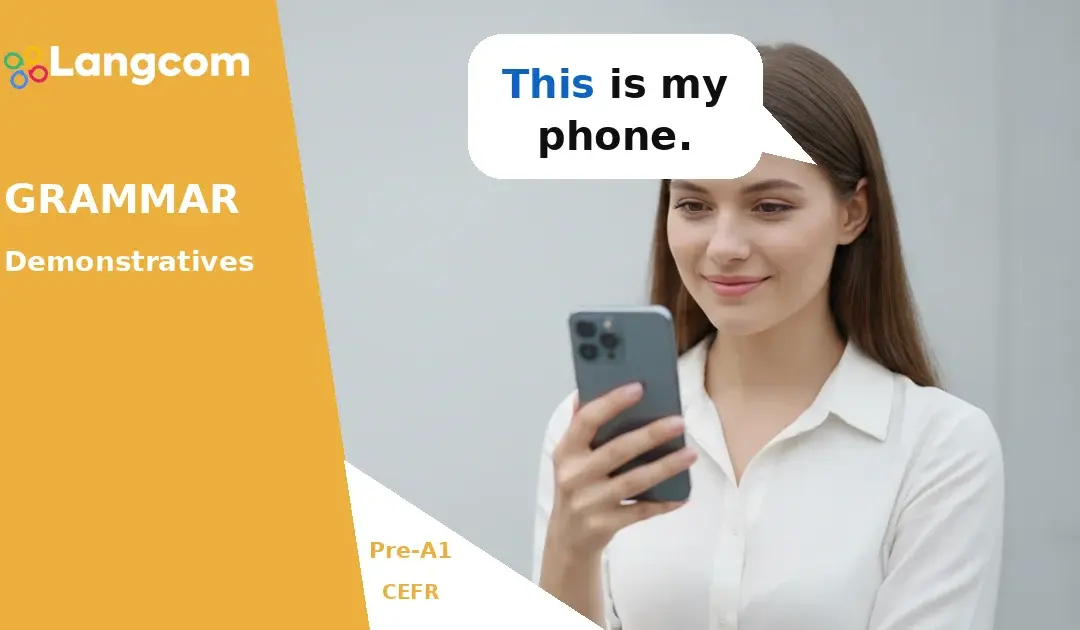
This, that, these, and those are demonstrative words in English. They help us point to specific things or people. We use them to show if something is close to us or far away, and if it is one thing (singular) or many things (plural). Think of them like pointing with...
بواسطة راؤول | 13 يوليو 2026 | اللغة الإنجليزية للمبتدئين (ما قبل المستوى A1) للأطفال
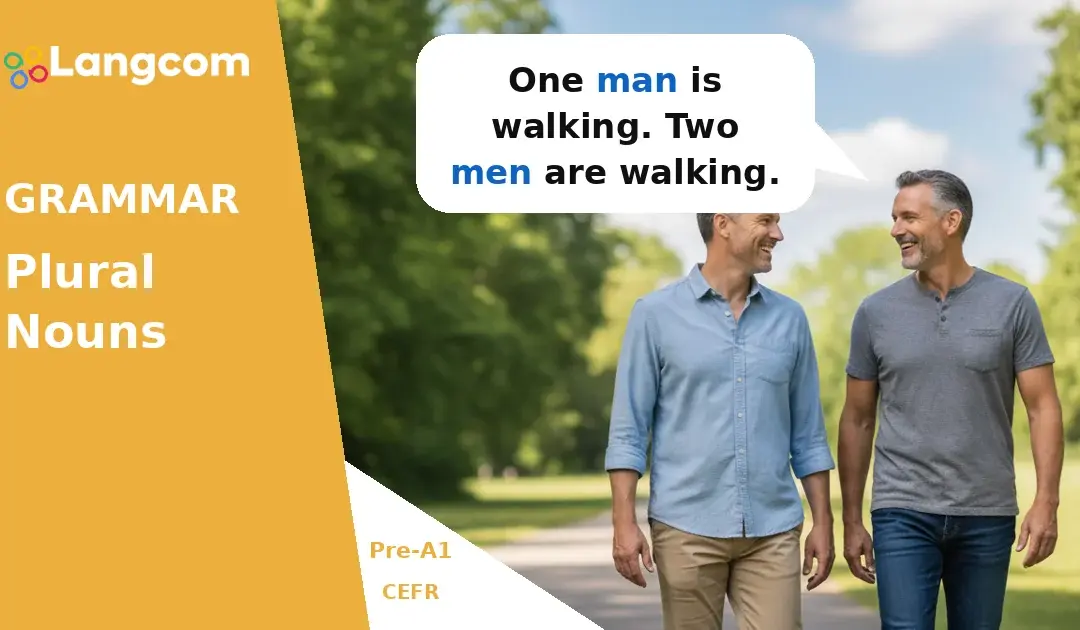
In English, most nouns become plural by adding -s at the end, like cat to cats. But some nouns are special. They are called irregular plural nouns. These words do not follow the normal rule. Instead, they change their form in different ways. For example, one man...
بواسطة راؤول | 13 يوليو 2026 | اللغة الإنجليزية للمبتدئين (ما قبل المستوى A1) للأطفال
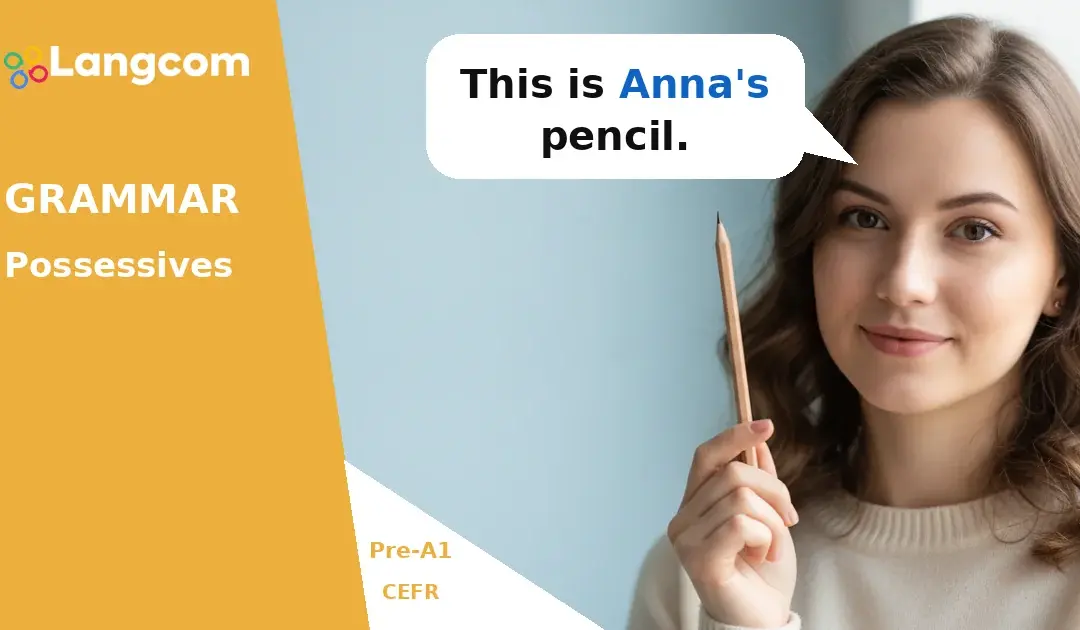
To show that someone owns something in English, we add ‘s to the person’s name or a singular noun. This is called the possessive ‘s. It helps us understand who an item belongs to very quickly and clearly. For example, if you want to say that a book...
