作者 劳尔 | 9 月 13, 2026 | C1 Advanced 英语
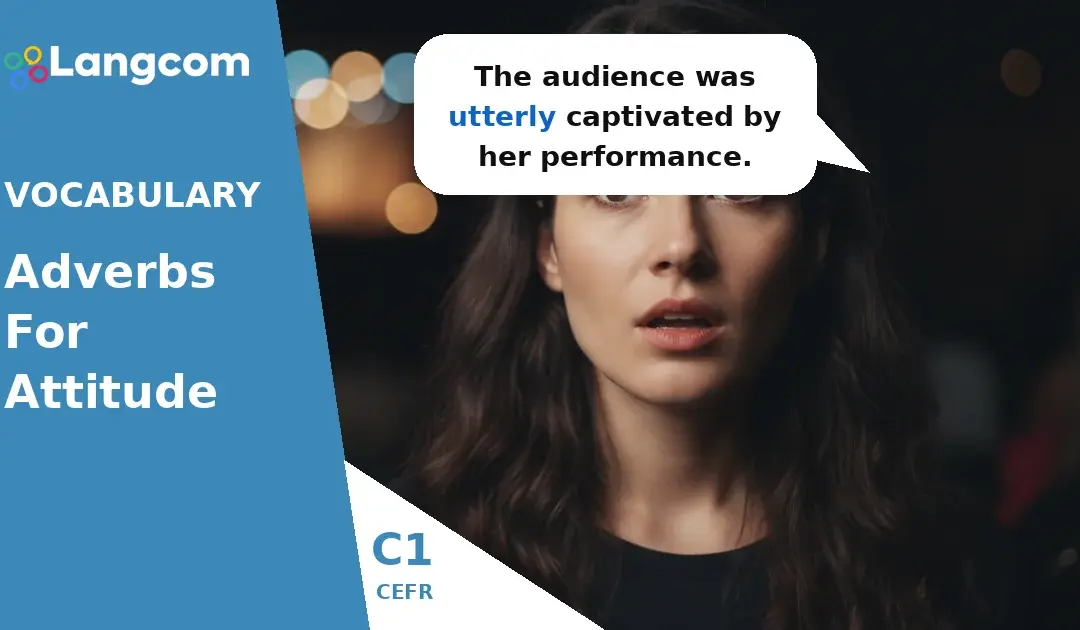
Adverbs of attitude and intensity are powerful C1 tools that modify adjectives, adding nuance, emphasis, or a specific perspective to your descriptions. These adverbs go beyond simple intensifiers like “very” to express a precise degree or feeling, making...
作者 劳尔 | 2026年9月12日 | B1中级英语
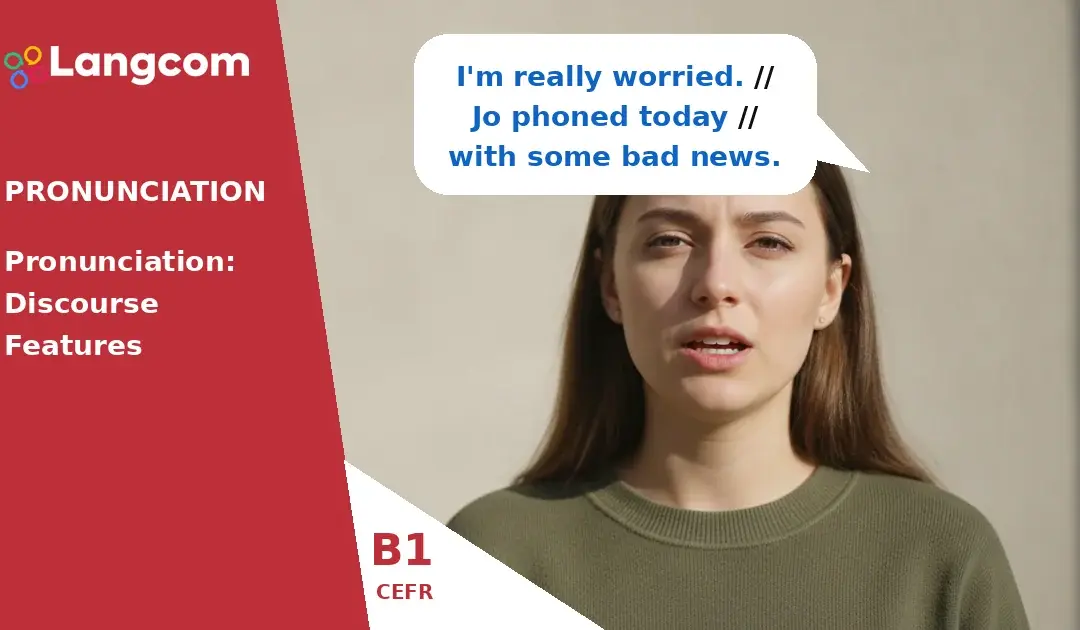
Pauses in English speech help organize words into meaningful groups, making your message clearer and more natural. When you speak English, you don’t say every word separately. Instead, you group words together into small units of meaning, often called word...
作者 劳尔 | 2026年9月12日 | B1中级英语
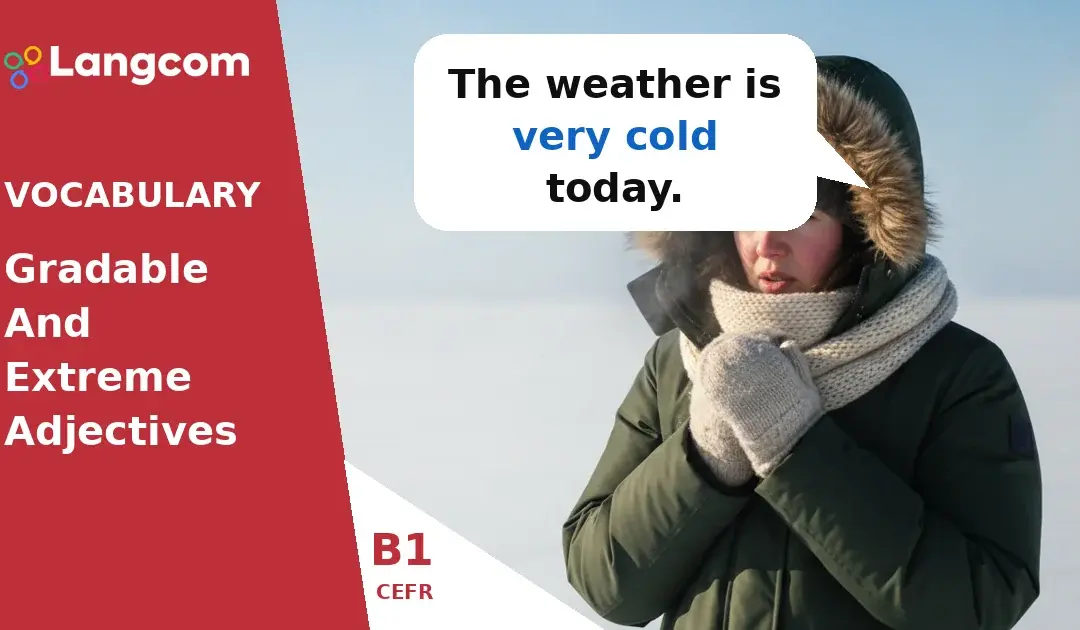
Gradable adjectives describe qualities that can have different levels of intensity, while extreme adjectives describe qualities at their maximum or minimum level. You can make gradable adjectives stronger or weaker using intensifiers like very, quite, or a bit. For...

作者 劳尔 | 2026年9月12日 | B1中级英语
The Present Simple describes facts, habits, and opinions, while the Present Continuous describes actions happening now, around now, or future arrangements. Understanding the difference is crucial for B1 English learners. For example, I work (Present Simple) means...

作者 劳尔 | 2026年9月12日 | B1中级英语
Subject and object questions help us ask about who or what performs an action, or who or what receives it. Understanding this difference is crucial for B1 English learners to form correct questions. A subject question asks about the person or thing doing the...
作者 劳尔 | 2026年9月12日 | B1中级英语
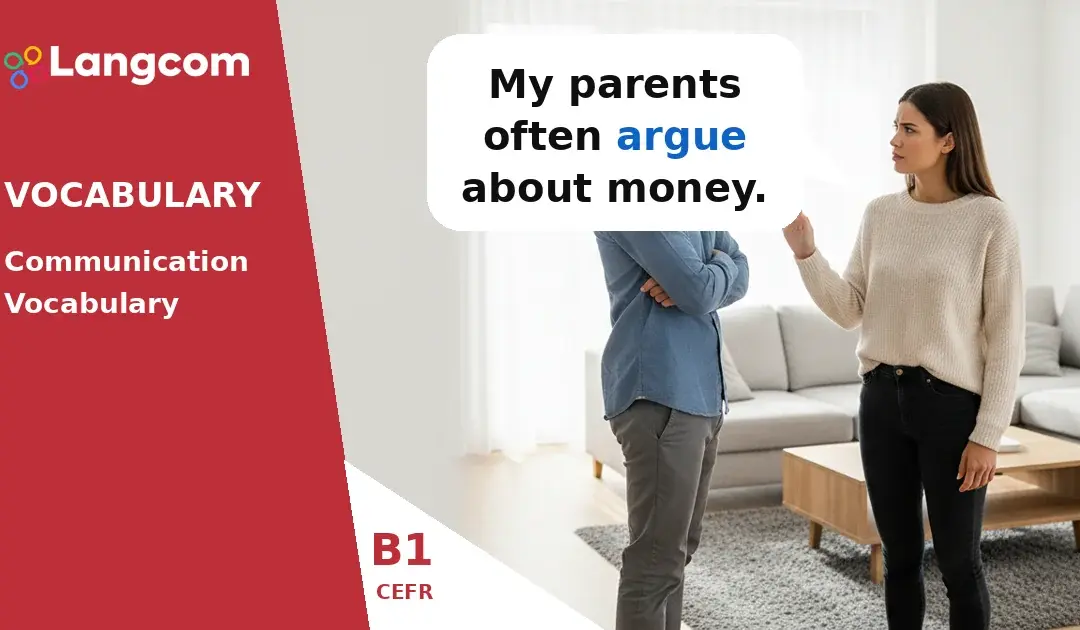
Communication verbs help you describe how people interact and share ideas. These words are crucial for B1 English learners to express themselves clearly and naturally in various social situations. By understanding verbs like argue, complain, encourage, and persuade,...
