作者 劳尔 | 2026年9月8日 | A2 Key (KET)
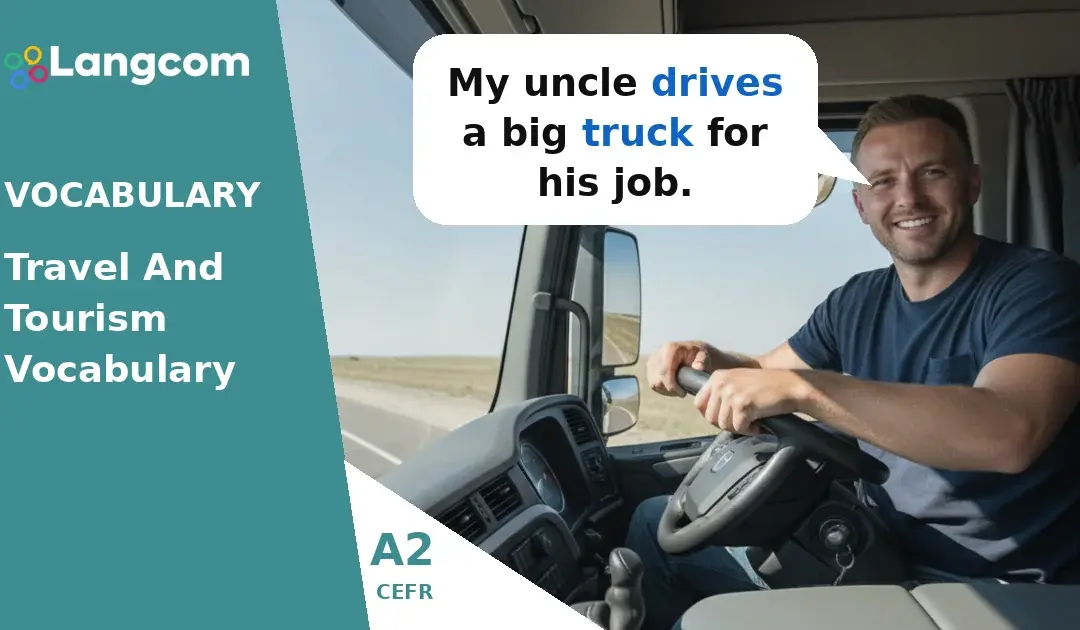
To talk about how you travel, use specific verbs like drive, fly, or ride. These verbs depend on the type of vehicle you use and your role in the journey. You use drive when you are the person controlling a vehicle with wheels, such as a car, a bus, a taxi, or even a...
作者 劳尔 | 2026年9月8日 | A2 Key (KET)
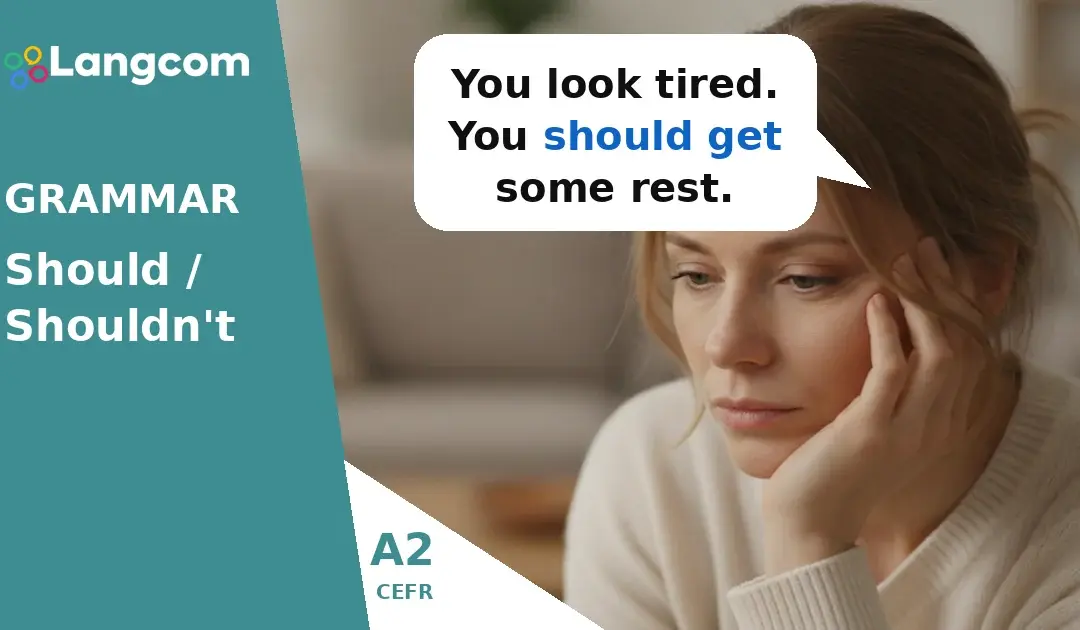
Should and shouldn’t are modal verbs we use to give advice, make recommendations, or suggest what is a good or bad idea. They help us tell someone what we think is the best thing to do in a situation. For example, if your friend is tired, you might say,...
作者 劳尔 | 2026年9月8日 | A2 Key (KET)
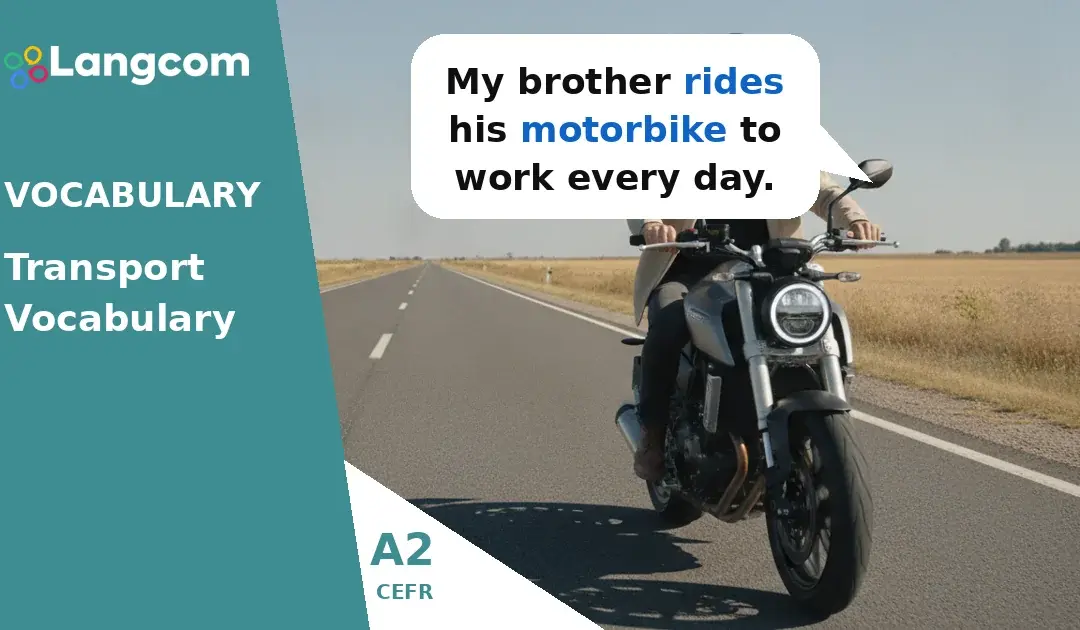
Learning vehicle vocabulary is key for talking about travel and daily life in English, especially for your A2 Key (KET) exam. Knowing words for different types of transport helps you describe how you get to places, plan trips, and understand conversations about...

作者 劳尔 | 2026年9月8日 | A2 Key (KET)
The Present Perfect tense connects the past with the present, showing actions or experiences that happened at an unspecified time before now, or actions that started in the past and continue to the present. We form it with have or has plus the past participle of the...
作者 劳尔 | 2026年9月7日 | A2 Key (KET)
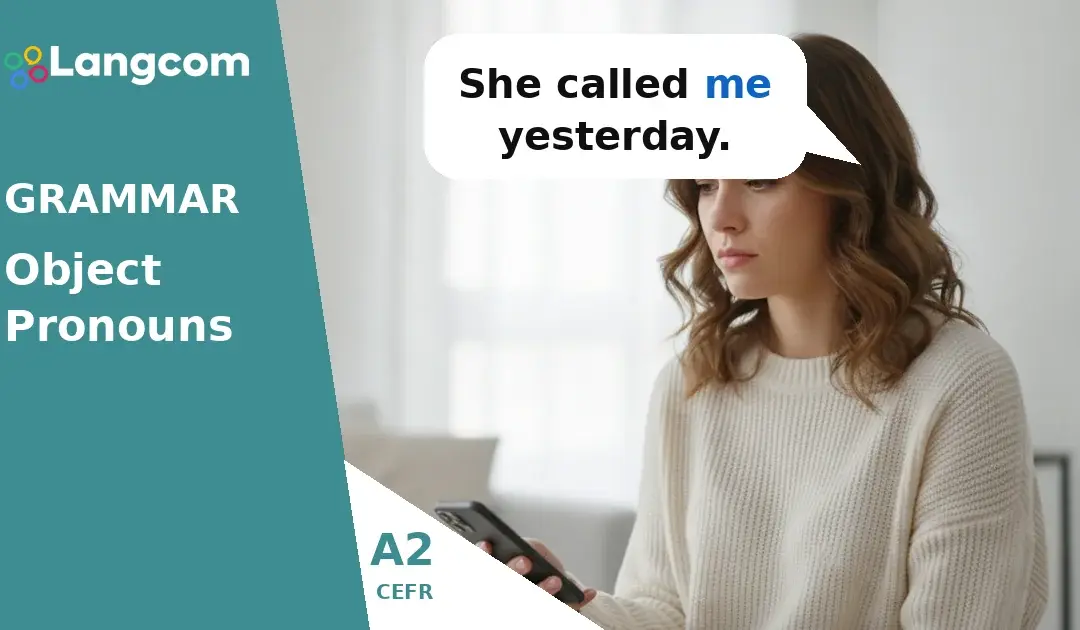
Object pronouns are small but important words like me, you, him, her, it, us, and them that replace nouns when they are the *object* of a verb or a preposition. This means they receive the action in a sentence, not perform it. For example, instead of repeating a name...
作者 劳尔 | 2026年9月7日 | A2 Key (KET)
Understanding common verbs like teach, learn, study, pass, fail, and take is key for talking about school and exams in English. These essential verbs help you describe actions related to getting and giving knowledge, and how you perform in academic assessments. For...
