


How do we talk about the future in English?
English does not have just one future tense. Instead, we use several different verb forms to talk about future events.
The form we choose depends on what we want to say about the future. For example, is it a plan, a prediction, or a fixed arrangement?
- Мы используем will for spontaneous decisions, predictions, offers, and promises.
- Мы используем be going to for plans, intentions, and predictions based on evidence.
- Мы используем present continuous for fixed arrangements.
- We also sometimes use the present simple for schedules.
🎓 Изучайте английский по смешанной методике
Небольшие группы · ИИ-репетитор 24/7 · Подготовка к экзаменам Кембриджского университета
Планы от $39 $79 в месяц
When do we use will?
Мы используем will for actions decided at the moment of speaking, or for general predictions.
- Spontaneous decisions: When you decide something right now. For example, "I'm hungry. I will make a sandwich."
- Predictions: When you guess something about the future, often with I think или I believe. Например, "I think it will be sunny tomorrow."
- Offers and promises: To offer help or make a promise. For example, "I will help you with your homework." или "I promise I won't tell anyone."
- Запросы: To ask someone to do something. For example, "Will you open the window, please?"
When do we use be going to?
Мы используем be going to for plans and intentions, or for predictions based on clear evidence.
- Plans and intentions: When you have already decided to do something. For example, "I am going to visit my grandparents next weekend."
- Predictions based on evidence: When you can see or feel something that shows what will happen. For example, "Look at those dark clouds! It's going to rain."
When do we use the present continuous for the future?
Мы используем present continuous (subject + be + verb-ing) for definite, fixed arrangements in the near future.
- Fixed arrangements: When you have already made plans, often with other people, and a specific time or place is mentioned. For example, "I am meeting my friend for coffee at 3 PM." (This means you have already agreed to meet.)
What about the present simple for the future?
Sometimes, we use the present simple to talk about the future, but only for scheduled events.
- Schedules and timetables: For things that happen at a fixed time, like public transport, cinema times, or school lessons. For example, "The train leaves at 8 AM tomorrow." или "The movie starts at 7 PM."
How can we show how sure we are?
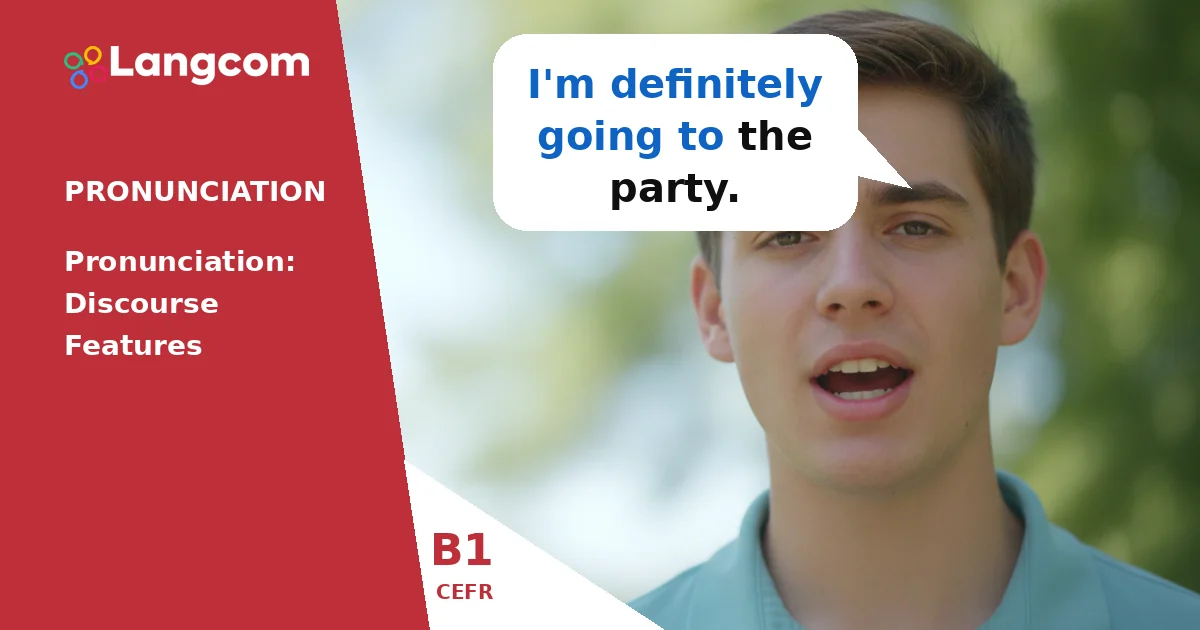
You can use adverbs to show how certain you are about a future event. These adverbs usually go before the main verb (for will) or after be (для be going to).
- Very sure: Использование definitely, certainly, surely. Например, "I will definitely pass the exam."
- Quite sure: Использование probably. Например, "She will probably arrive late."
- Less sure: Использование perhaps, maybe. These usually go at the beginning of the sentence. For example, "Perhaps it will rain later."
- Not sure at all: Использование unlikely. Например, "It's unlikely to snow in July."
| Форма | Использование | Пример |
|---|---|---|
| Will | Spontaneous decisions, predictions (no evidence), offers, promises | I will help you. |
| Be going to | Plans/intentions, predictions (with evidence) | She is going to study. |
| Present Continuous | Fixed arrangements (definite plans) | We are meeting at 7 PM. |
| Present Simple | Schedules, timetables | The train leaves at 6 AM. |
Примеры
- I will call you back in five minutes.
- She is going to study medicine at university.
- We are having dinner with friends on Saturday.
- The concert starts at 9 PM.
- Don't worry, I will help you.
- They are going to buy a new car next month.
- Look out! You are going to drop that glass!
- I'm sure he will probably win the competition.
- Perhaps we will go to the beach this weekend.
Практика
✍️ Не знаете, на каком уровне вы находитесь?
Пройдите наш бесплатный тест на определение уровня и получите индивидуальные рекомендации от сертифицированных экзаменаторов Кембриджского университета.
Пройдите наш БЕСПЛАТНЫЙ тест на определение местаРаспространенные ошибки у носителей испанского языка
Сбивающее с толку will и be going to
Spanish speakers sometimes use will for all future situations, similar to how 'ir a' (to go to) is used in Spanish for intentions. However, in English, be going to is specifically for plans already made or predictions based on evidence.
- Неправильно: Tomorrow I will visit my aunt. (If it's a pre-arranged plan)
- Правильно: Tomorrow I am going to visit my aunt. (For a plan/intention)
- Правильно: Tomorrow I am visiting my aunt. (For a fixed arrangement)
Использование present simple for future plans
Another common mistake is using the present simple for personal future plans, which is common in Spanish. In English, the present simple is only for schedules.
- Неправильно: Next week I go to the cinema.
- Правильно: Next week I am going to the cinema. (Plan/intention)
- Правильно: Next week I am going to the cinema. (Fixed arrangement)
Часто задаваемые вопросы
What is the main difference between will and be going to?
The main difference is when the decision is made. We use will for decisions made at the moment of speaking, like "I will have the chicken." Мы используем be going to for plans or intentions decided before the moment of speaking, such as "I am going to start a new job next month."
Can I use the present continuous for any future event?
No, you can only use the present continuous for definite, fixed arrangements, usually with a specific time and place. For example, "We are flying to London on Friday." (Tickets are bought, plans are set). You cannot use it for general predictions or spontaneous decisions.
How do I show how confident I am about a future prediction?
You can use adverbs of certainty. For strong certainty, use definitely или certainly, как в "It will definitely be cold tomorrow." For less certainty, use probably, например "It will probably rain." For even less certainty, use perhaps или maybe, usually at the start of the sentence: "Perhaps I'll see you later."
Is it ever okay to use the present simple for the future?
Yes, but only for scheduled events that are part of a timetable or program. For example, "The bus arrives at 10 AM." или "My class finishes at 5 PM." It's not used for personal plans or intentions.


0 Комментариев