
от Рауль | Сен 20, 2026 | B2 First (FCE)
We use some, any, and no to talk about quantities when the exact number is not important or unknown. These words are called determiners or quantifiers. Some is generally used in positive sentences, offers, and requests (when you expect a ‘yes’ answer). Any...

от Рауль | Сен 20, 2026 | B2 First (FCE)
Countable nouns are individual items you can count, like apples or chairs, and they have both singular and plural forms. Uncountable nouns refer to things you cannot count individually, such as water or information, and they typically only have a singular form. This...
от Рауль | Сен 20, 2026 | B2 First (FCE)
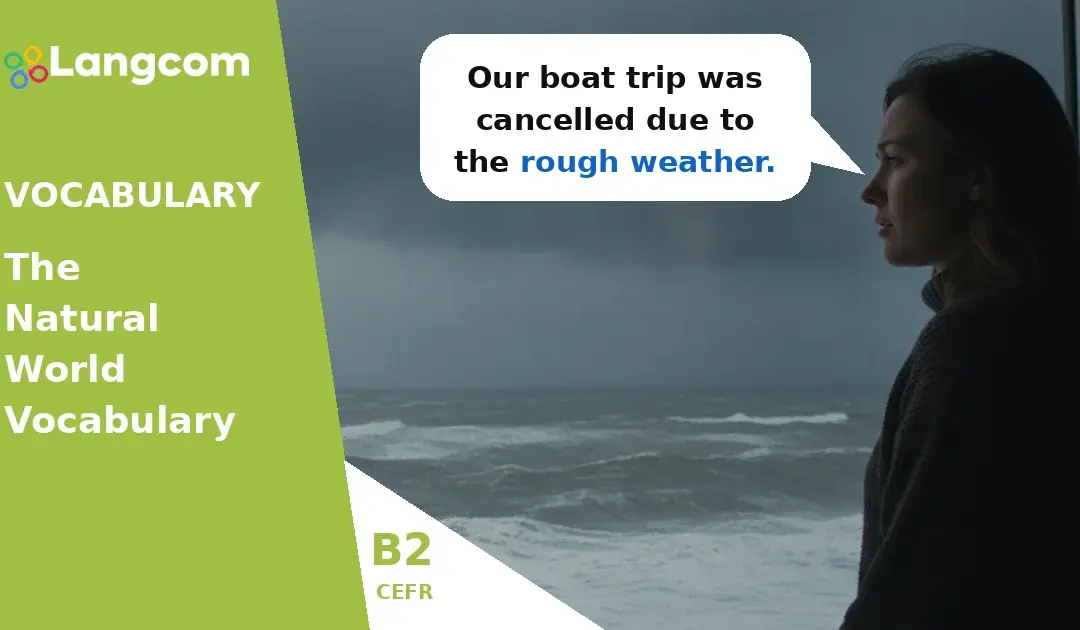
Learning collocations about the natural world is key for B2 English learners to discuss environmental topics accurately and fluently. Collocations are groups of words that often go together, like rough weather or ecological impact. Using them correctly makes your...

от Рауль | Сен 20, 2026 | B2 First (FCE)
Perfect tenses in English connect an action or state from one point in time to another, emphasizing completion or duration. They are crucial for B2 learners because they allow you to express complex time relationships, essential for natural and accurate communication....

от Рауль | Сен 20, 2026 | B2 First (FCE)
The main difference between all and whole is that all refers to every single part or member of a group, focusing on quantity, while whole refers to something complete and undivided, focusing on the entirety of a single item. For example, All students passed the exam...

от Рауль | Сен 20, 2026 | B1 Preliminary (PET)
Learning vocabulary for buildings and places is essential for B1 English learners to describe their environment and daily activities with confidence. These words help you talk about where you live, where you go to study or shop, and where you spend your free time. For...
