
от Рауль | Сен 20, 2026 | B2 First (FCE)
English articles—a, an, the, or no article at all—are small words with big importance for clear communication. They tell us if a noun is specific or general, and whether it’s the first time we mention it. We use a or an for singular, countable nouns when talking...
от Рауль | Сен 20, 2026 | B2 First (FCE)
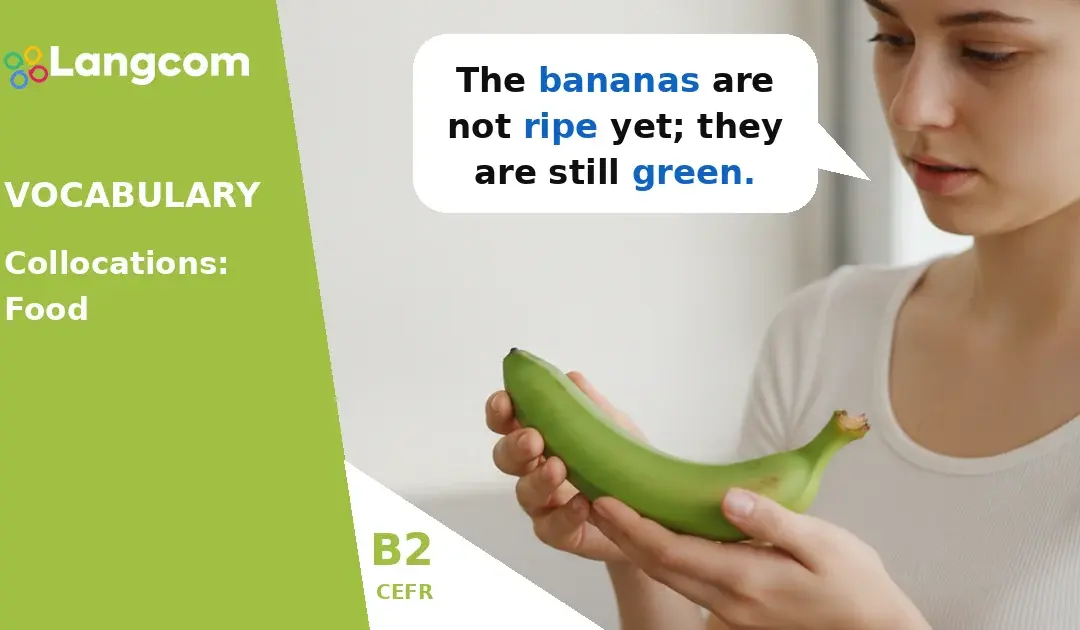
Food collocations are common word pairs that native English speakers use to describe food naturally. Learning them helps you sound more fluent and precise, especially at B2 level. For example, we say ripe fruit, not mature fruit, and go off for milk that is no longer...
от Рауль | Сен 20, 2026 | B2 First (FCE)
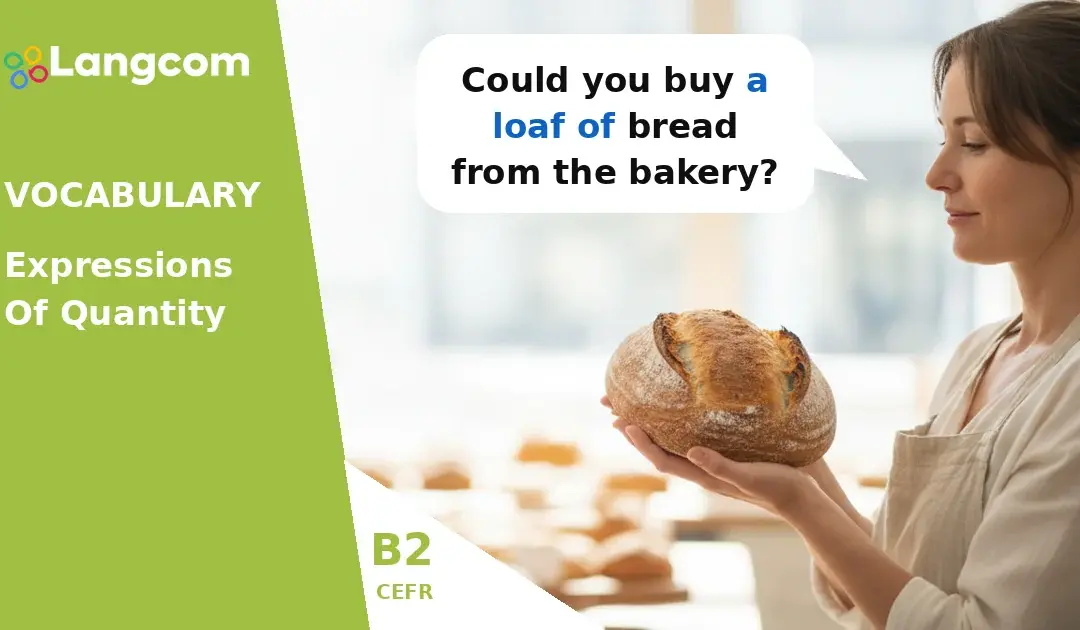
At B2 English level, it’s important to move beyond general terms like “a piece of” and use specific expressions of quantity, also known as partitives, for uncountable nouns. These specific words help you describe amounts more precisely and naturally....
от Рауль | Сен 20, 2026 | B2 First (FCE)
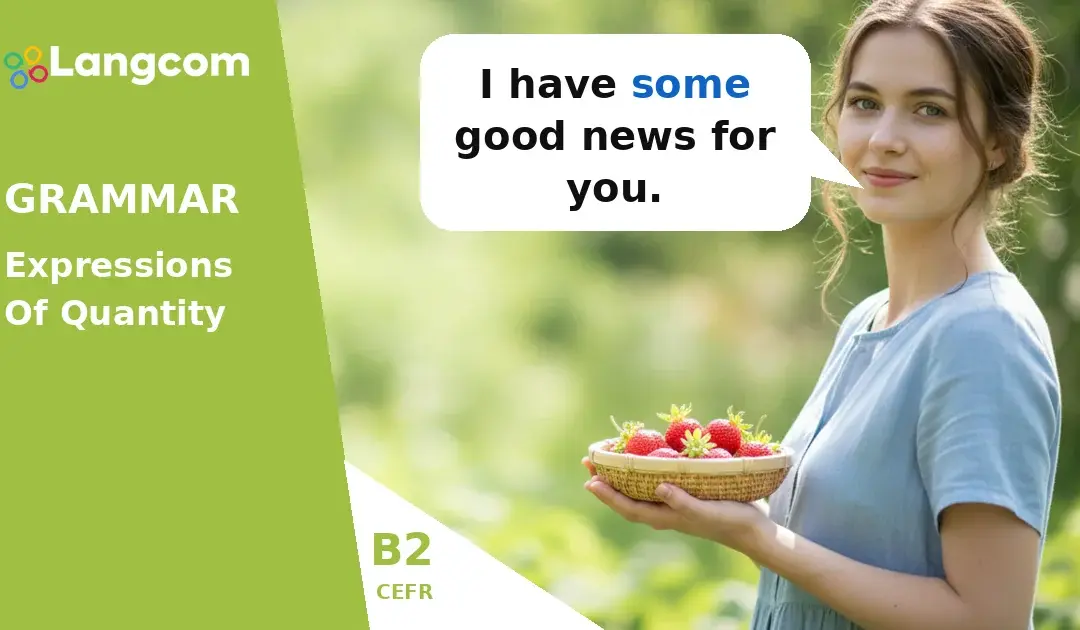
We use some, any, and no to talk about quantities when the exact number is not important or unknown. These words are called determiners or quantifiers. Some is generally used in positive sentences, offers, and requests (when you expect a ‘yes’ answer). Any...

от Рауль | Сен 20, 2026 | B2 First (FCE)
Countable nouns are individual items you can count, like apples or chairs, and they have both singular and plural forms. Uncountable nouns refer to things you cannot count individually, such as water or information, and they typically only have a singular form. This...
от Рауль | Сен 20, 2026 | B2 First (FCE)
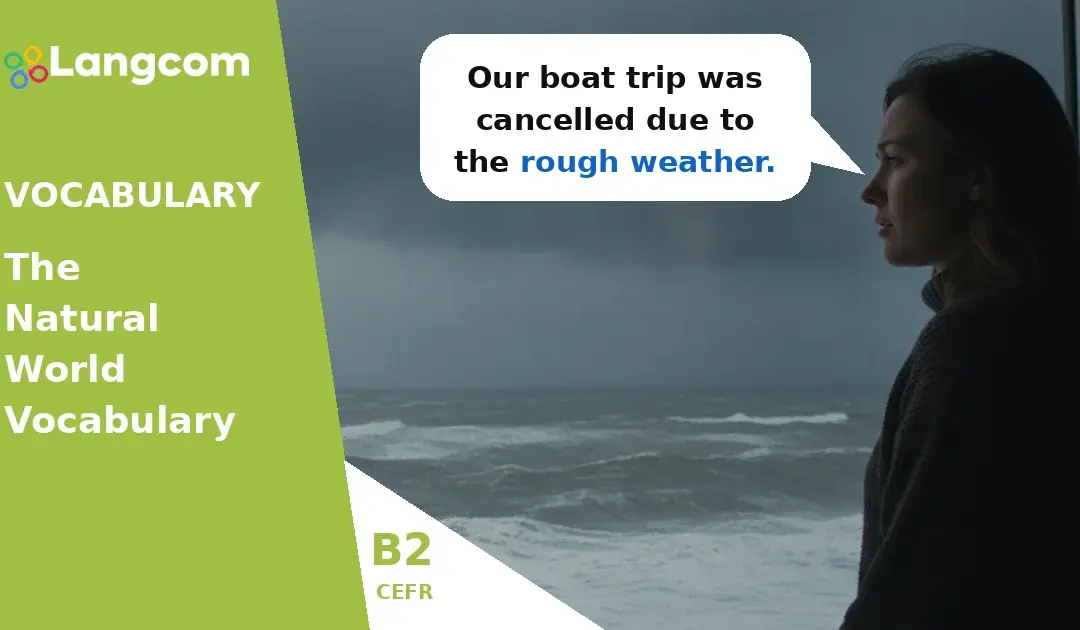
Learning collocations about the natural world is key for B2 English learners to discuss environmental topics accurately and fluently. Collocations are groups of words that often go together, like rough weather or ecological impact. Using them correctly makes your...
