от Рауль | Сен 14, 2026 | Pre A1 Starters
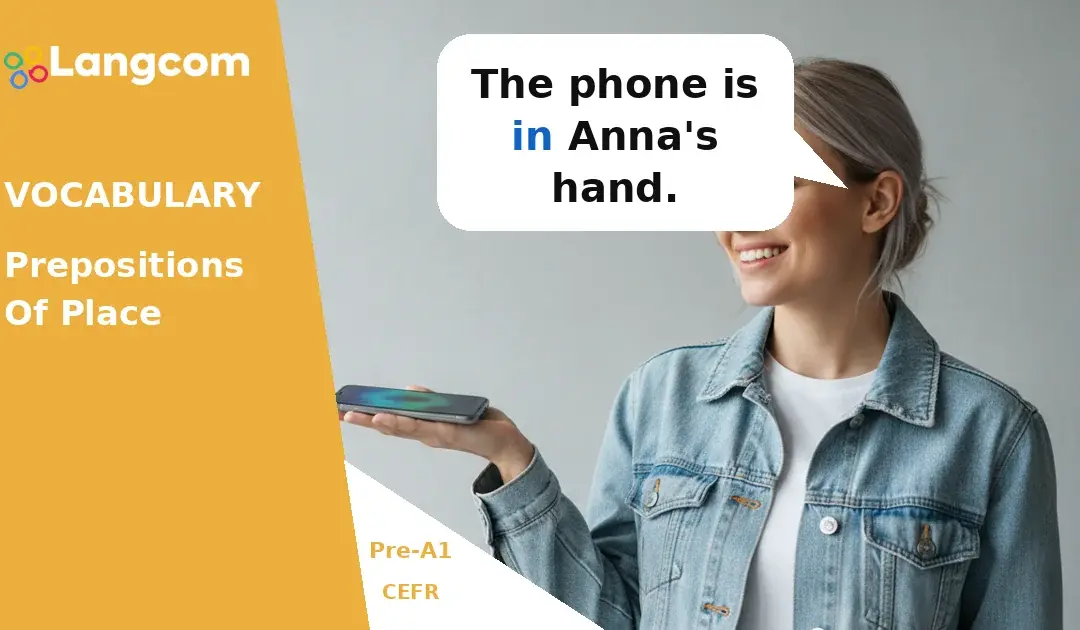
Prepositions of place are small words that tell you exactly where something is. They help you describe the location of people, animals, and objects. For example, if you want to say where your book is, you can use a preposition like on or in. These words are very...

от Рауль | Сен 14, 2026 | A2 Key (KET)
The infinitive is the basic form of a verb, and in English, it can appear with or without the word to. You use to + infinitive after many common verbs like want, decide, and hope, and also to explain the purpose of an action. For example, I want to learn English. On...

от Рауль | Сен 14, 2026 | A2 Key (KET)
Verb-noun collocations are pairs of words, a verb and a noun, that naturally go together in English. Learning these common combinations, like make a mistake or do homework, is key to sounding more natural and fluent. Unlike simply knowing individual words,...
от Рауль | Сен 14, 2026 | A2 Key (KET)
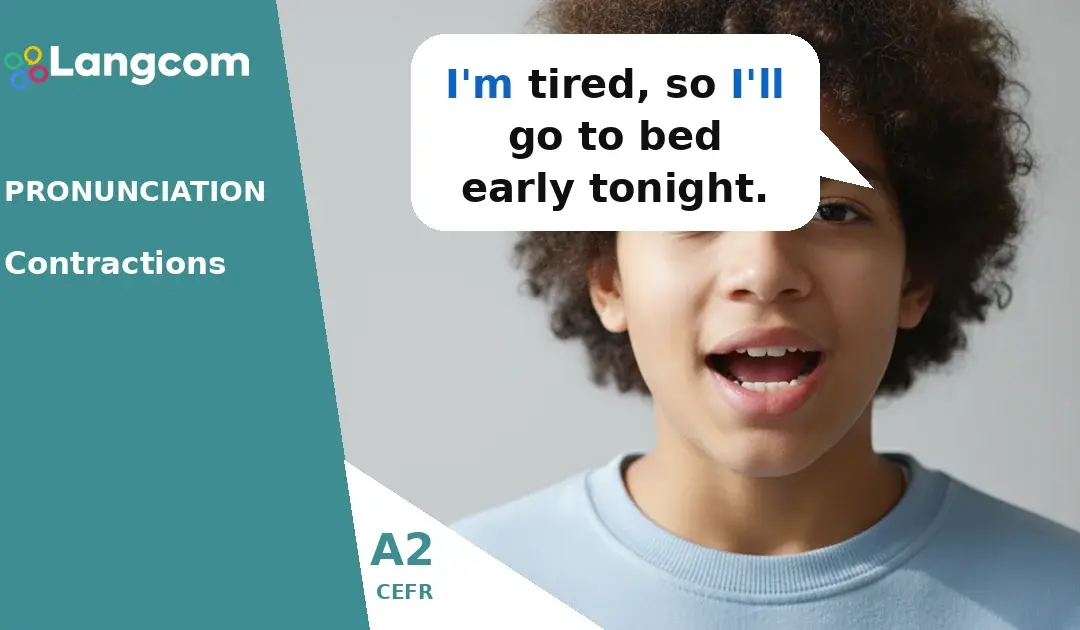
Contractions are shortened forms of two words, joined by an apostrophe, that help English speakers sound more natural and fluent. They are very common in spoken English and informal writing, making your sentences quicker and easier to say. For example, instead of...

от Рауль | Сен 14, 2026 | A2 Key (KET)
The infinitive of purpose tells you *why* someone does something. We use the structure to + base form of the verb to explain the reason or goal of an action. For example, if you say I went to the shop to buy milk, the phrase to buy milk explains *why* you went to the...
от Рауль | Сен 14, 2026 | Pre A1 Starters
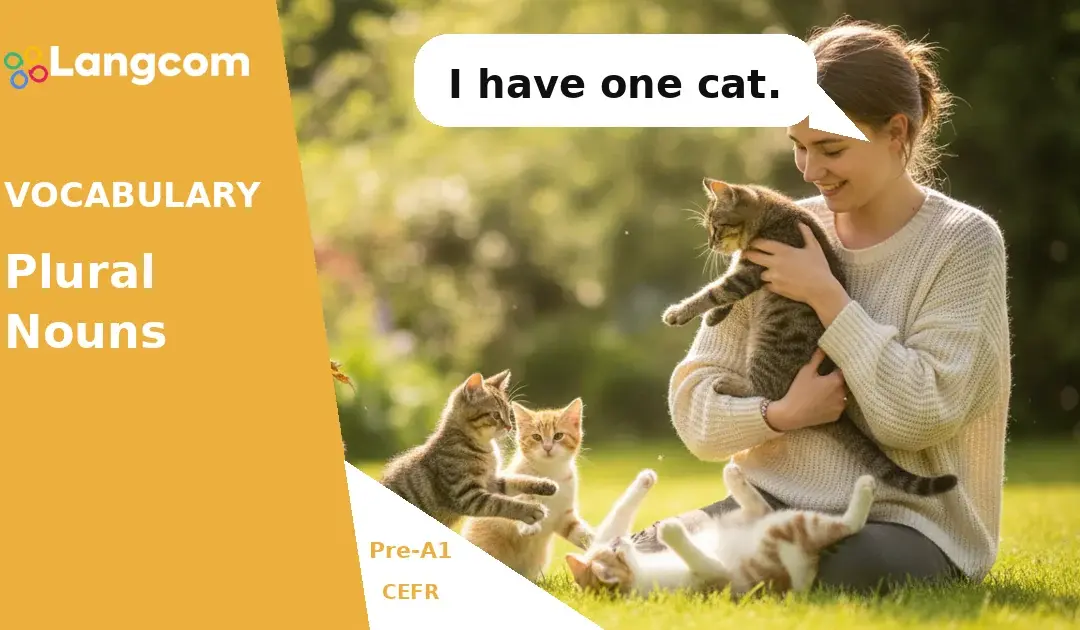
In English, nouns can be singular (one) or plural (more than one). To make most nouns plural, you simply add -s to the end. For example, one book becomes two books. This change helps us know if we are talking about one thing or many things. Sometimes, the ending...
