
от Рауль | Сен 18, 2026 | Английский язык B1 Intermediate
Understanding when to use do, make, and take is key to sounding natural in English. These verbs are often confusing because their meanings can be similar, especially when translated from other languages like Spanish. However, in English, they combine with different...
от Рауль | Сен 18, 2026 | Английский язык B1 Intermediate
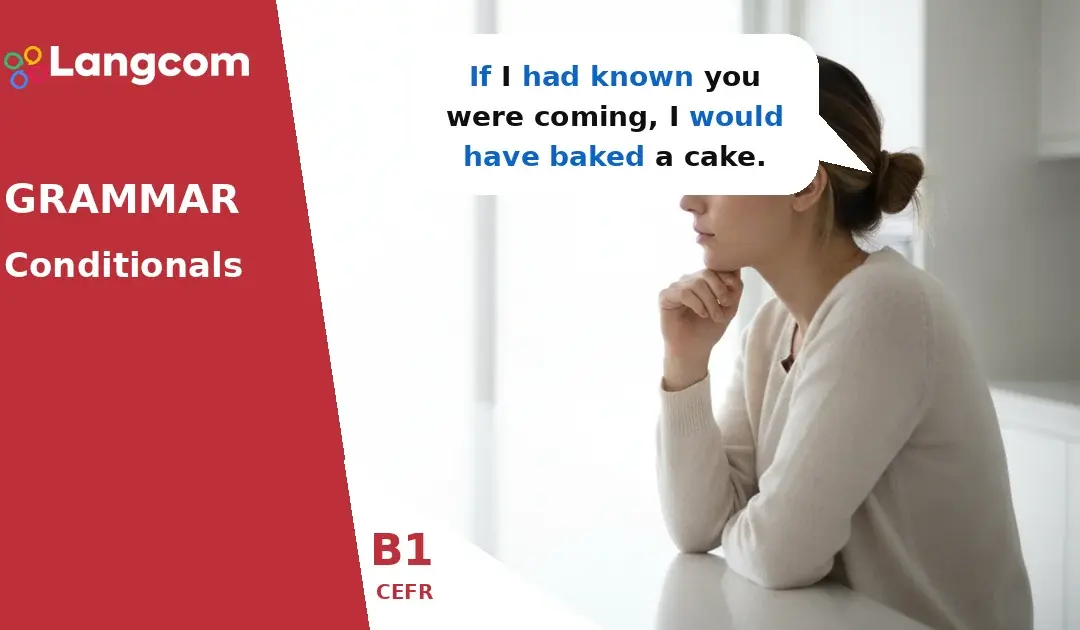
The Third Conditional helps us imagine different past situations and their consequences. We use it to talk about things that did not happen in the past and the results that did not occur. It’s like looking back and saying, ‘If X had been different, then Y...

от Рауль | Сен 18, 2026 | Английский язык B1 Intermediate
In English, many adjectives are always followed by a specific preposition, forming a fixed phrase. You cannot choose any preposition; you must learn the correct pair, such as afraid of or interested in. These combinations are essential for speaking and writing...

от Рауль | Сен 18, 2026 | Английский язык B1 Intermediate
Second conditionals help you talk about imaginary or unlikely situations in the present or future, and what would happen as a result. This grammar structure is perfect for discussing dreams, hypothetical scenarios, or giving advice. For example, If I won the lottery,...

от Рауль | Сен 18, 2026 | Английский язык B1 Intermediate
In English, we use different verbs with different types of sports: play, go, and do. You use play for team sports or sports with a ball, like I play football. We use go for activities that end in -ing, especially individual activities or those done outdoors, for...
от Рауль | Сен 18, 2026 | C1 Advanced Английский
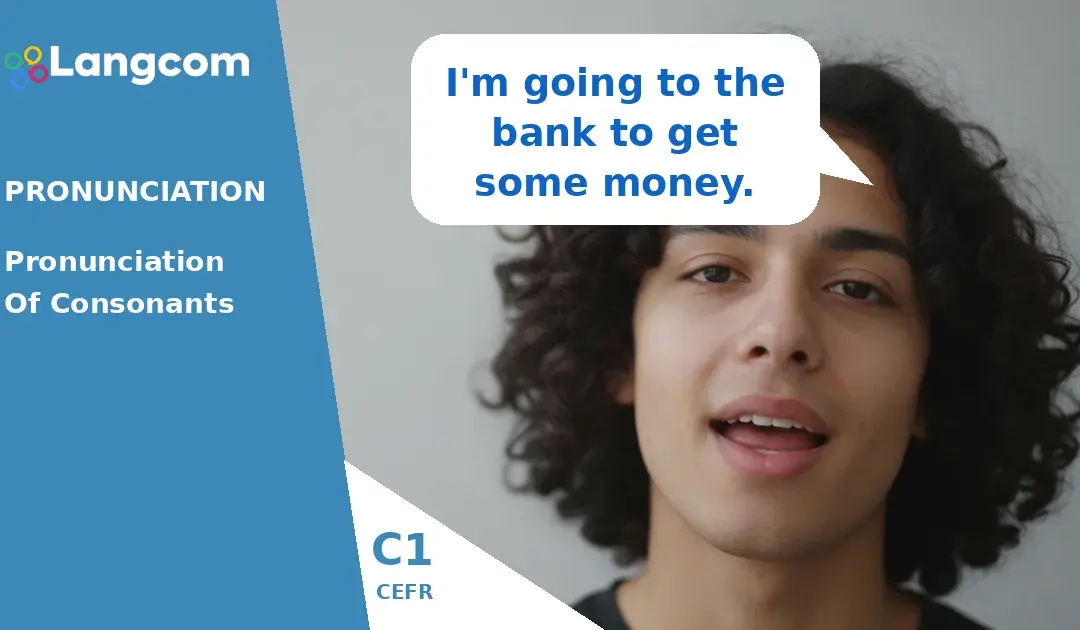
The /ŋ/ sound, often spelled ng or n before k or g, is a single, nasal consonant sound in English, produced by raising the back of your tongue to touch the soft palate at the back of your mouth. Air flows out through your nose, not your mouth, making it distinct from...
