
от Рауль | Июл 22, 2026 | Уровень «Pre A1»: английский для детей-начинающих
Daily routines are the actions you do every day, like waking up, eating, and sleeping. Learning these words in English helps you talk about your life and share your experiences. You can tell people what you do from morning to night, making new friends and...

от Рауль | Июл 22, 2026 | Уровень «Pre A1»: английский для детей-начинающих
Nationalities are words that describe where a person or thing comes from. They are like adjectives. For example, a person from Spain is Spanish. A car from Japan is a Japanese car. In English, nationalities always start with a capital letter. We use them to say who we...

от Рауль | Июл 22, 2026 | Уровень «Pre A1»: английский для детей-начинающих
To talk about where people are from, we use country names and nationality words. These words help us say “I am from Spain” and “I am Spanish.” Learning them is important for introducing yourself and understanding others. Countries are places...
от Рауль | Июл 22, 2026 | Уровень «Pre A1»: английский для детей-начинающих
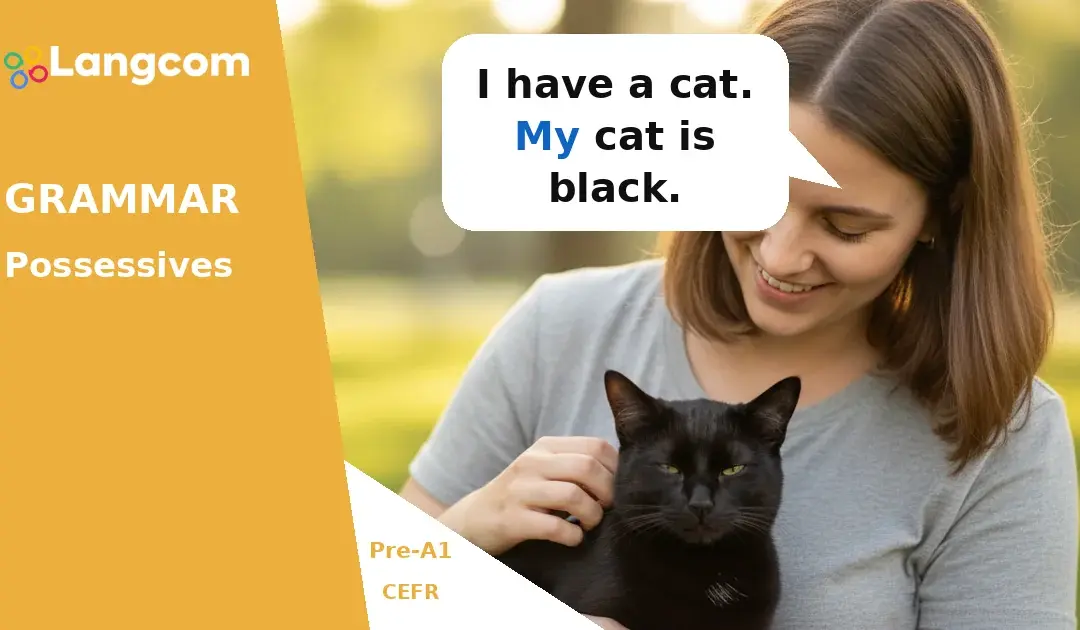
Possessive adjectives tell us who owns something or to whom something belongs. They are words like my, your, his, her, its, our, and their. In English, these words always come before the noun they describe. For example, you say my book, not book my. They help make...
от Рауль | Июл 21, 2026 | Уровень «Pre A1»: английский для детей-начинающих
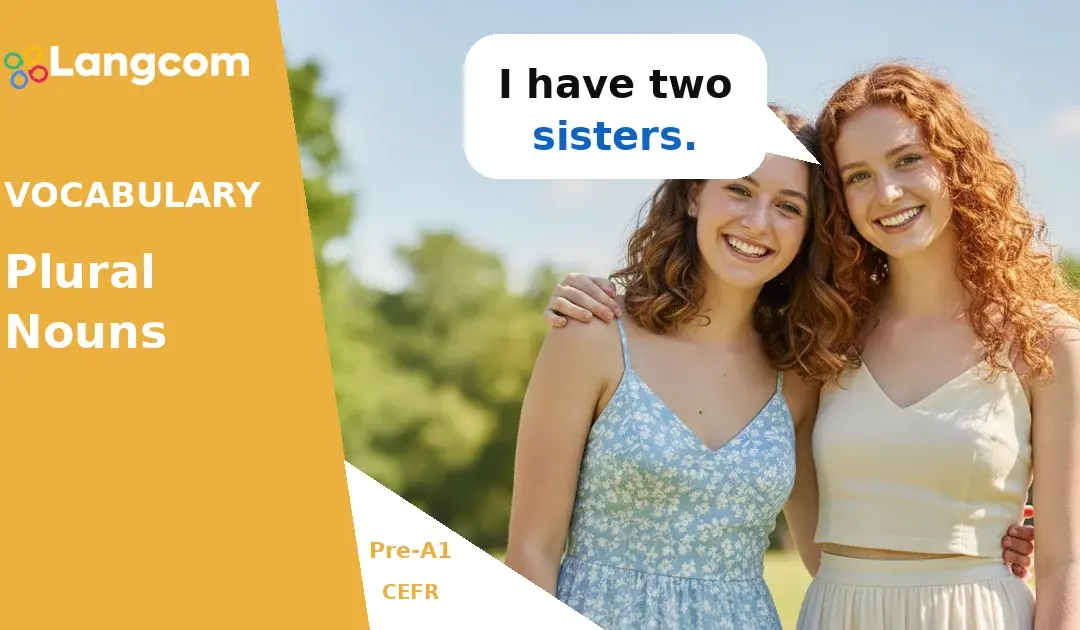
In English, we change singular nouns to plural nouns to talk about more than one thing. Most nouns become plural by simply adding -s at the end. For example, one cat becomes two cats. However, some nouns have special rules. If a noun ends in -s, -ss, -sh, -ch, -x, or...
от Рауль | Июл 21, 2026 | Уровень «Pre A1»: английский для детей-начинающих
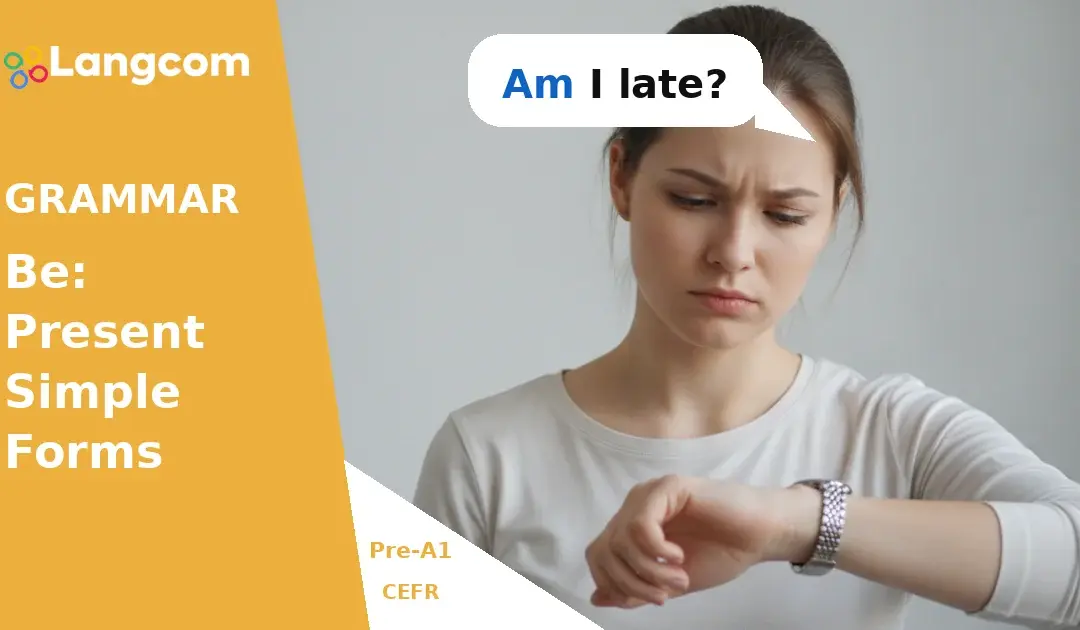
To ask a question with the verb to be in English, you simply change the word order. Instead of the statement order Subject + Be (like You are happy), you put Be + Subject (like Are you happy?). This simple rule works for all forms of to be: am, is, and are. For...
