

To choose the correct verb for sports and activities in English, remember these simple rules: use play for team sports or games with a ball, go for activities ending in -ing (often individual or adventure sports), and do for individual activities, martial arts, or general exercise. This distinction is important for clear communication and is a common point tested in B1 English exams. For example, you play football, go swimming, 、および do yoga. Understanding these patterns will help you speak more naturally and avoid common mistakes. This guide will explain each verb with clear examples, making it easy for you to remember and use them correctly in your daily conversations and writing.
When Do We Use ‘Play’ with Sports?
We use the verb play for sports that involve a ball, team sports, or competitive games where two or more people compete against each other.
- 使用方法 play for ball sports: play football, play basketball, play tennis.
- 使用方法 play for team sports: play rugby, play volleyball.
- 使用方法 play for competitive games: play chess, play cards.
When Do We Use 'Go' with Activities?
The verb go is typically used with activities that end in -ing. These are often individual sports or activities that involve movement from one place to another.
- 使用方法 go for activities ending in -ing: go swimming, go cycling, go running, go skiing, go rock climbing.
- This pattern often suggests moving to a different location to do the activity.
When Do We Use 'Do' with Activities?
We use the verb do for individual activities, martial arts, forms of exercise, or non-team sports that do not typically use a ball.
- 使用方法 do for martial arts: do karate, do judo.
- 使用方法 do for individual exercises or fitness activities: do yoga, do aerobics, do gymnastics, do athletics.
- 使用方法 do for general physical activity: do exercise, do sport (in a general sense).
| 動詞 | Rule | 例 |
|---|---|---|
| Play | For ball sports, team sports, and competitive games. | football, basketball, tennis, rugby, chess |
| Go | For activities ending in -ing, often individual or adventure sports. | swimming, cycling, running, skiing, rock climbing |
| Do | For individual activities, martial arts, and general exercise. | yoga, karate, aerobics, gymnastics, athletics |
例
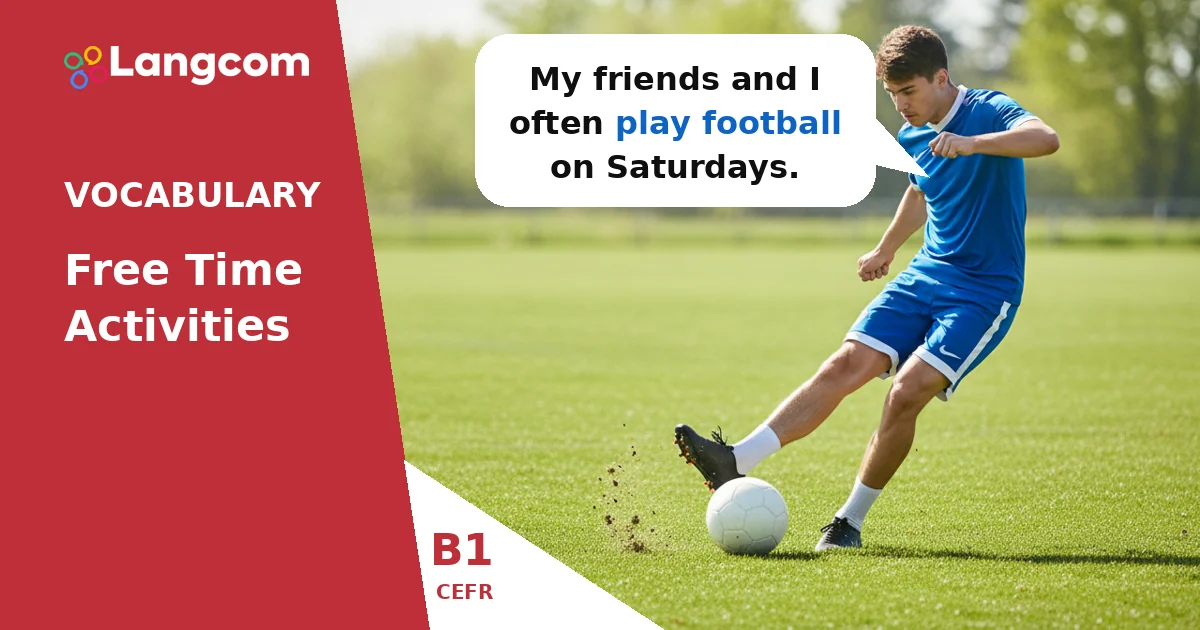
- My friends and I often play football on Saturdays.
- She loves to go swimming in the ocean every morning.
- He does yoga three times a week to relax.
- Do you want to play tennis this afternoon?
- They are going skiing in the mountains next winter.
- Many people do martial arts for self-defense and discipline.
- I usually go jogging in the park before work.
- My children play basketball at school.
練習
スペイン語話者がよく犯す間違い
Spanish speakers often translate 'hacer deporte' directly, leading to common errors. Here are some to watch out for:
- 使用方法 do for ball sports: 誤り: I do football. 正しい: I play football.
- 使用方法 go without -ing: 誤り: We go tennis. 正しい: We play tennis.
- Confusing do そして go for similar activities: 誤り: I go aerobics. 正しい: I do aerobics. (Aerobics is a type of exercise, not typically a journey.)
よくある質問
Is there a simple rule for 'play', 'do', 'go'?
Yes, a simple rule is: play for ball/team sports, go ~のために -ing activities, and do for individual exercises or martial arts.
Can I say 'do sport'?
Yes, you can say do sport または do exercise when speaking generally about physical activity. For example, It's important to do sport regularly. However, for specific sports, use play または go.
What about 'go to the gym'?
You use go to the gym because go is used for places. Once you are at the gym, you would do exercise または do weightlifting.
How can I remember these rules for exams?
Practice categorizing new sports and activities you learn into the play, do, 、または go groups. Pay attention to the type of activity (ball, -ing, individual exercise). This will help you choose correctly in B1 exam tasks.




コメント 0 件