投稿者 ラウル | 2026年7月17日 | A1レベル前の子供向け英語(初心者向け)
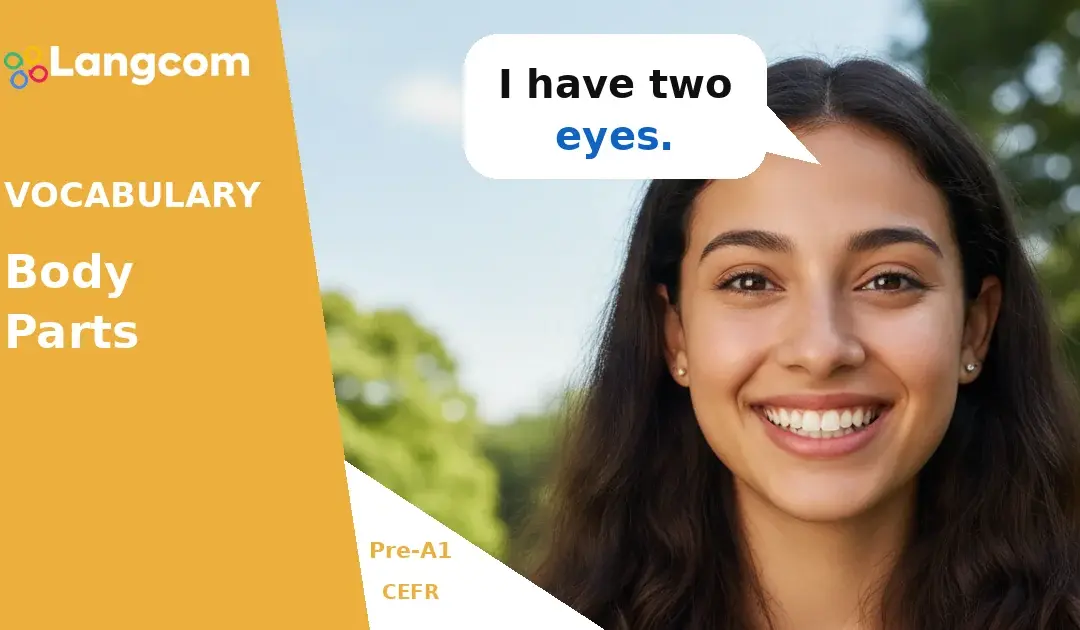
Learning the names of body parts in English is very useful for everyday communication. You can talk about yourself, describe people, or explain if you feel pain. Knowing words like head, hand, foot, eye, and mouth helps you understand and speak basic English. This...
投稿者 ラウル | 2026年7月17日 | A1 英語(初級)
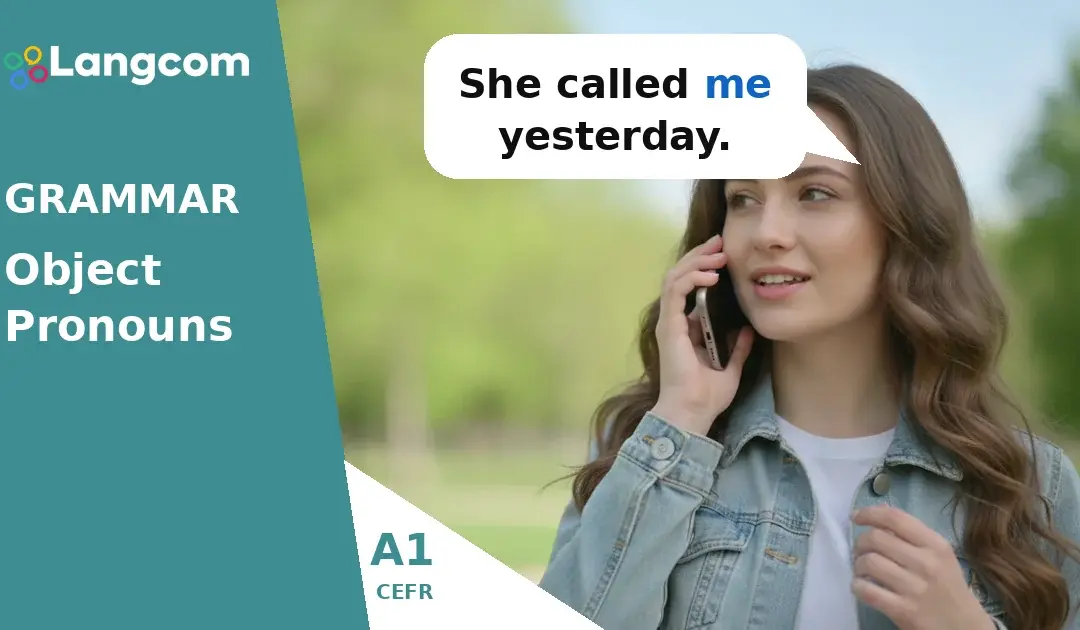
Object pronouns are small words like me, you, him, her, it, us, and them. We use them to replace nouns that receive the action of a verb or come after a preposition. For example, instead of saying I see John, you can say I see him. The pronoun him is the object. They...
投稿者 ラウル | 2026年7月17日 | A1 英語(初級)
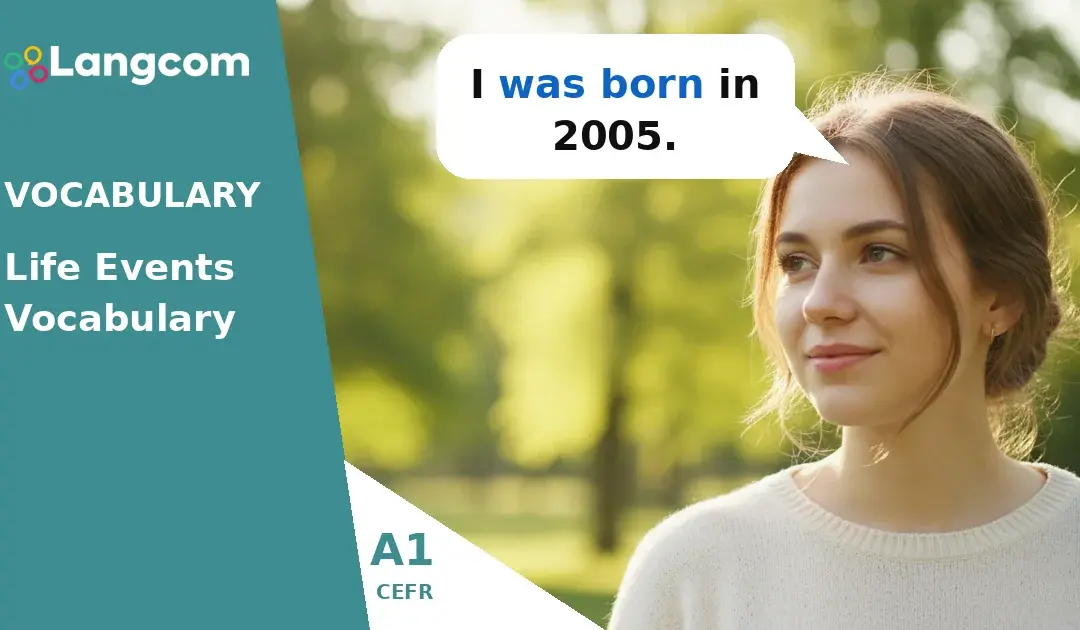
Life events are important moments and changes that happen in a person’s life, from the very beginning to the end. Learning this vocabulary helps you describe your own life story and understand others. For A1 English learners, knowing these basic terms is...
投稿者 ラウル | 2026年7月17日 | A1レベル前の子供向け英語(初心者向け)
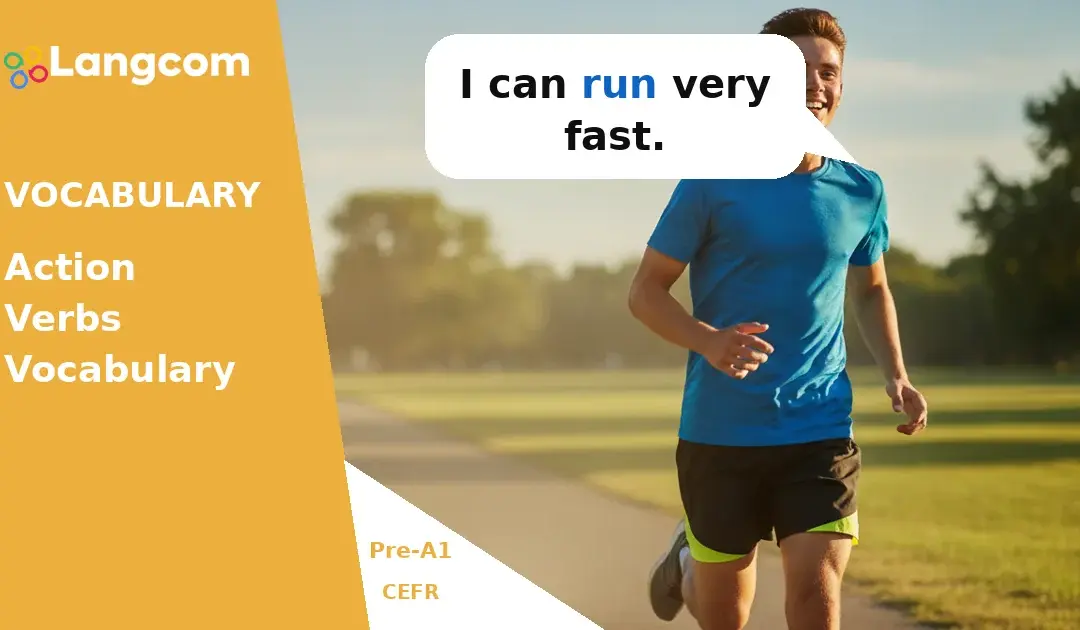
Action verbs tell us what someone or something does. These words show movement or activity. Learning action verbs helps you talk about daily activities and describe the world around you. For example, run, jump, and swim are all action verbs. They are very important...
投稿者 ラウル | 2026年7月17日 | A1レベル前の子供向け英語(初心者向け)
We use can to say what someone or something is able to do. We use can’t to say what someone or something is not able to do. Can and can’t are modal verbs. They help us express ability. The structure is simple: first, you say who or what (I, you, he, she,...
