投稿者 ラウル | 2026年7月22日 | A1レベル前の子供向け英語(初心者向け)
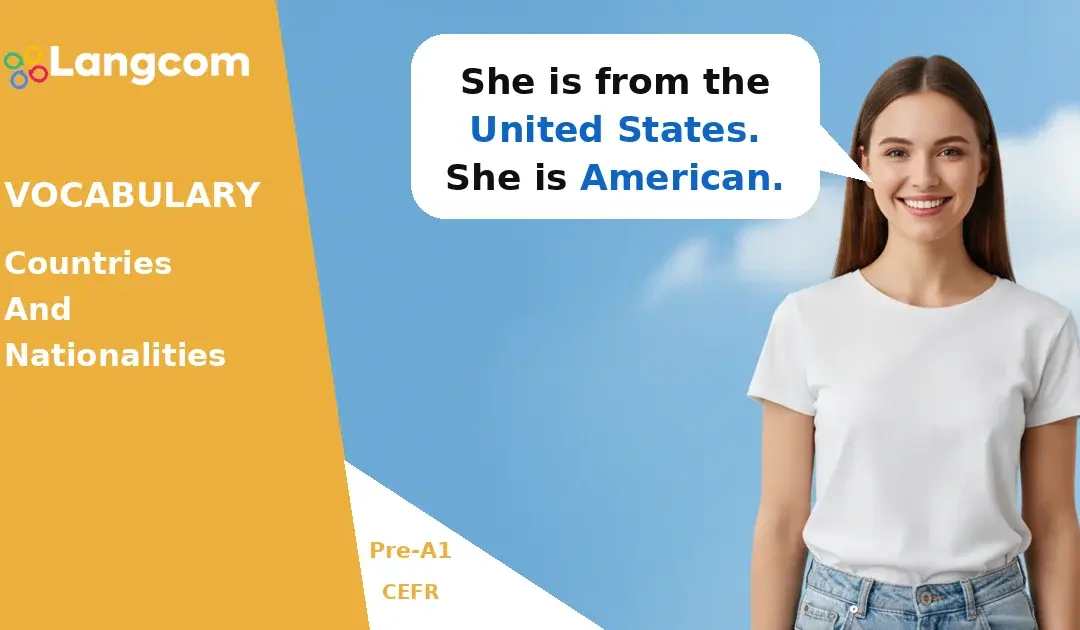
To talk about where people are from, we use country names and nationality words. These words help us say “I am from Spain” and “I am Spanish.” Learning them is important for introducing yourself and understanding others. Countries are places...
投稿者 ラウル | 2026年7月22日 | A1レベル前の子供向け英語(初心者向け)
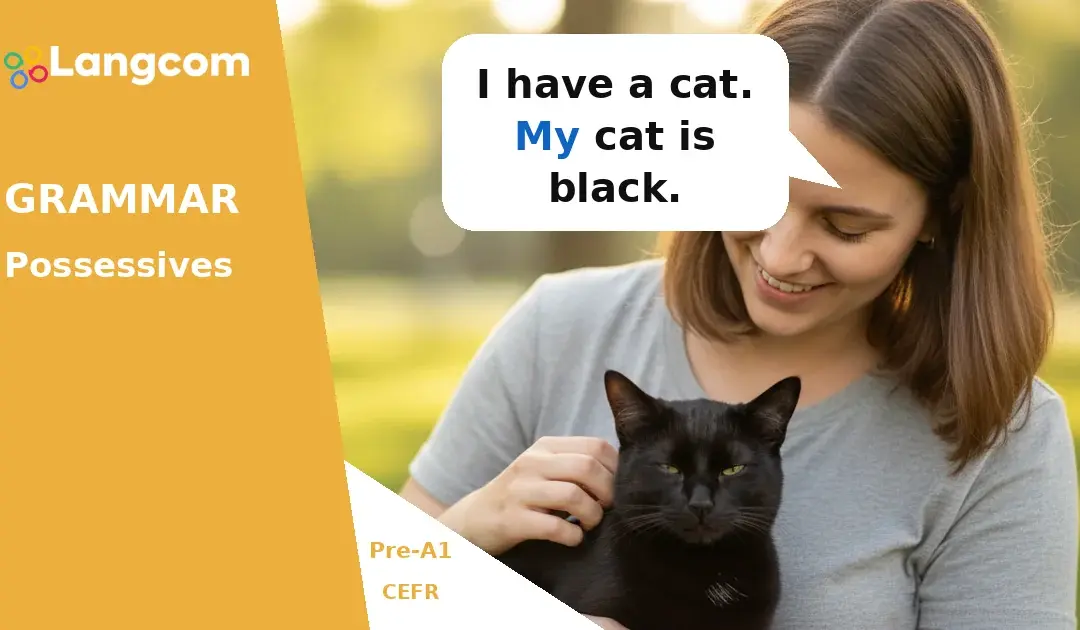
Possessive adjectives tell us who owns something or to whom something belongs. They are words like my, your, his, her, its, our, and their. In English, these words always come before the noun they describe. For example, you say my book, not book my. They help make...
投稿者 ラウル | 2026年7月21日 | C1 Advanced 英語
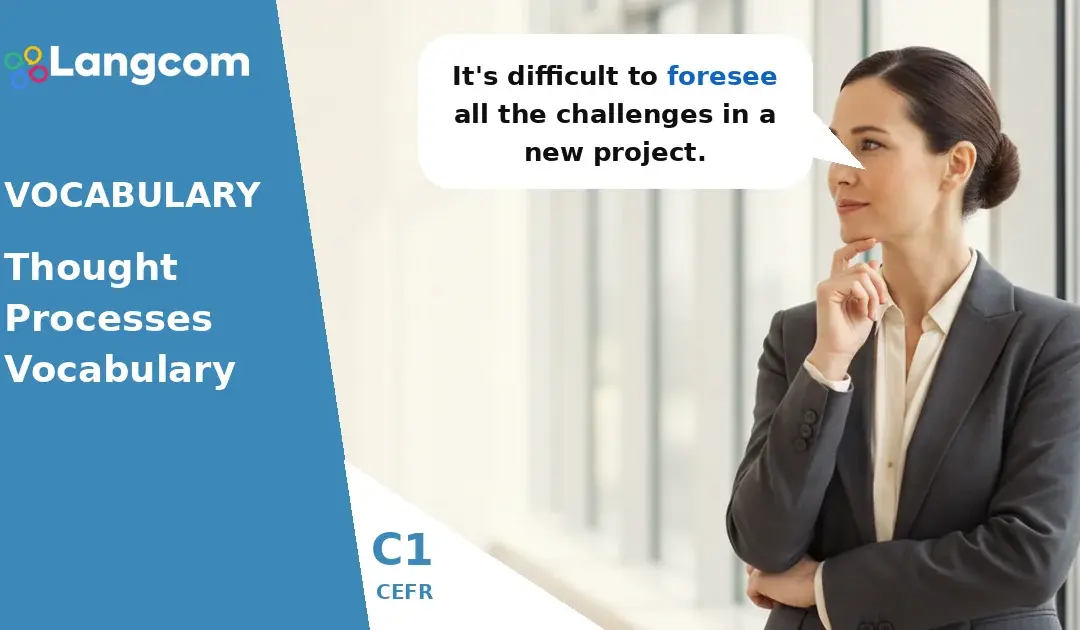
C1レベルの英語を習得するには、複雑な考えや微妙な判断を表現するために、思考プロセスを表す正確な動詞を理解することが不可欠です。こうした動詞を使えば、情報をどのように予測し、評価し、理解し、あるいは否定するかを、より正確に説明することができます。例えば、...
投稿者 ラウル | 2026年7月21日 | A2 基礎英語
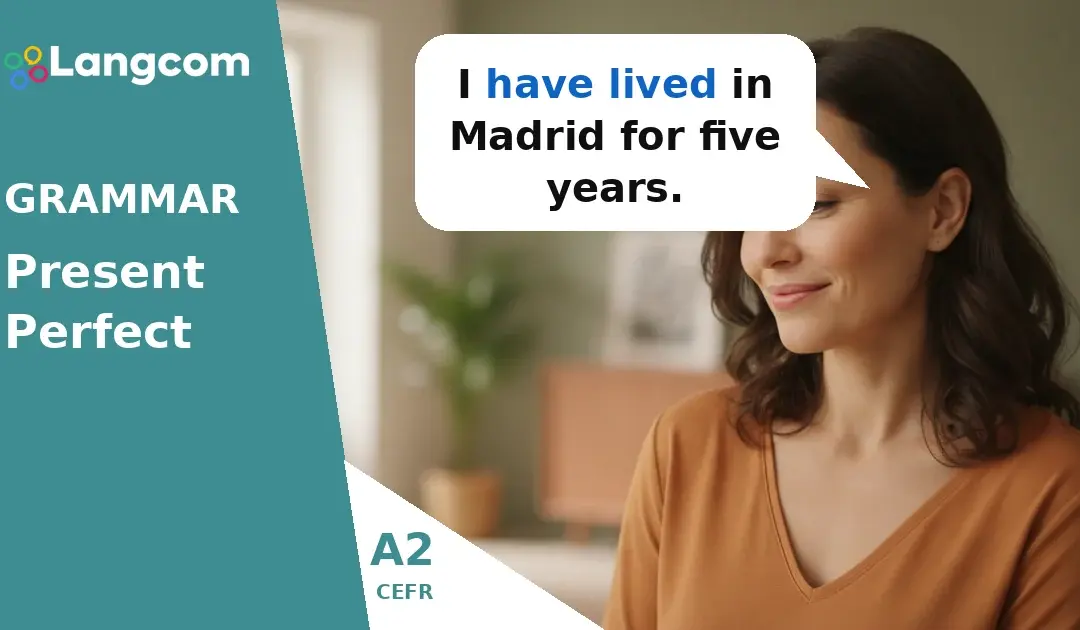
The main difference between the Present Perfect and the Past Simple is about time. We use the Past Simple for actions that started and finished in the past at a specific time. The action is completely over. For example, I visited Paris last year. The visit is...
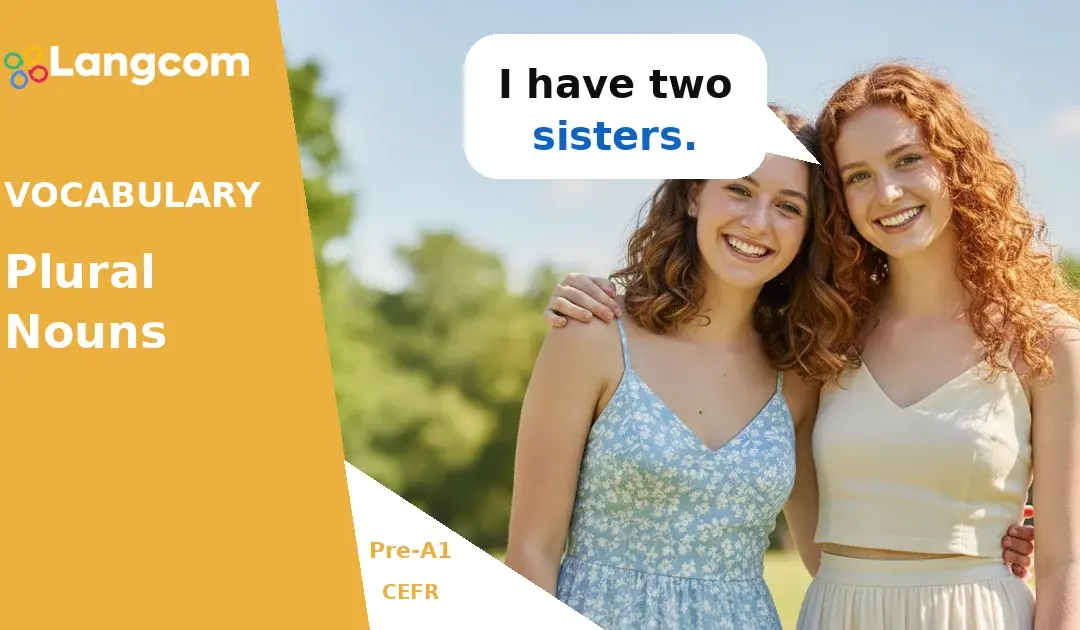
投稿者 ラウル | 2026年7月21日 | A1レベル前の子供向け英語(初心者向け)
In English, we change singular nouns to plural nouns to talk about more than one thing. Most nouns become plural by simply adding -s at the end. For example, one cat becomes two cats. However, some nouns have special rules. If a noun ends in -s, -ss, -sh, -ch, -x, or...
