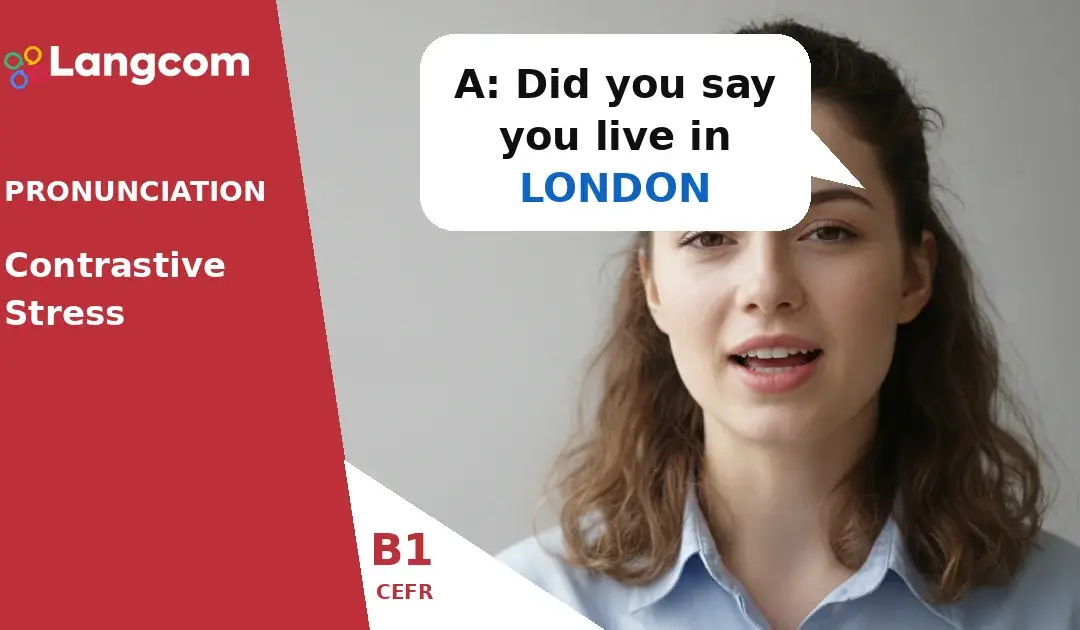
投稿者 ラウル | 2026年9月11日 | B1 中級英語
Contrastive stress is when you put extra emphasis on a specific word in a sentence to correct information or show a difference. This type of stress helps you make your meaning very clear, especially when you are disagreeing with someone or providing new, important...
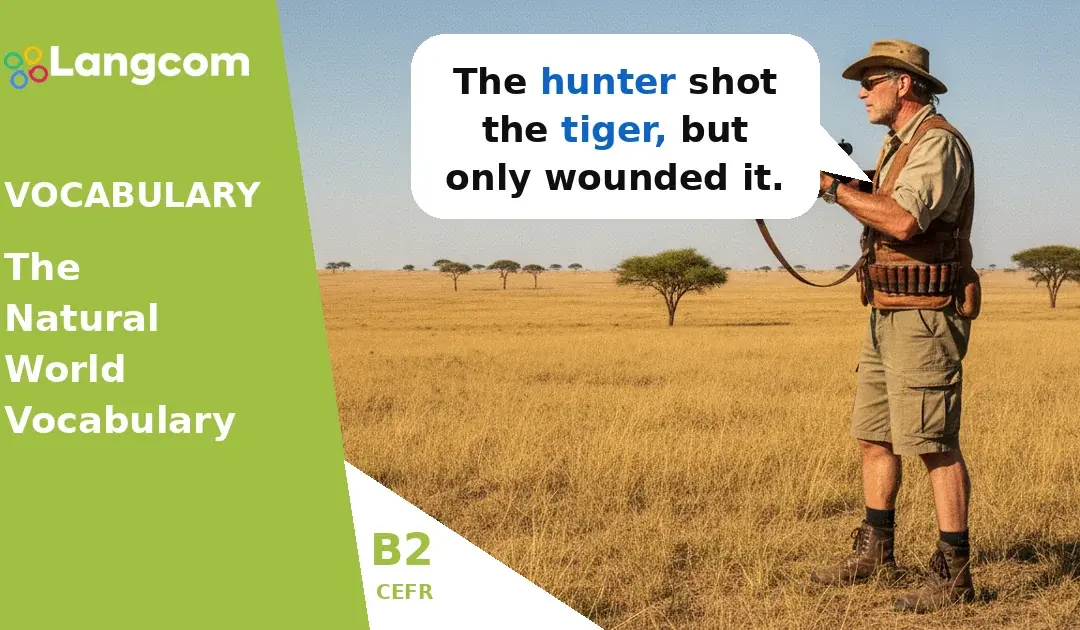
投稿者 ラウル | 2026年9月11日 | B2 中上級英語
Understanding the verbs shoot, wound, attack, and kill is crucial for describing actions of conflict and injury in English. These B2-level verbs describe a sequence of events, from initiating violence to causing harm or death. To shoot means to fire a weapon, which...

投稿者 ラウル | 2026年9月11日 | B2 中上級英語
Future time clauses and conditionals help you talk about future events, plans, and possibilities in English by linking a condition or time to a future action. The most important rule is to use a present simple verb in the clause that starts with words like if, when,...

投稿者 ラウル | 2026年9月10日 | B2 中上級英語
The verb get is one of the most versatile and common verbs in English, especially in everyday conversation. It combines with many prepositions and adverbs to form phrasal verbs and idiomatic expressions. These expressions often have meanings very different from the...

投稿者 ラウル | 2026年9月10日 | B2 中上級英語
Elision is when English speakers drop or ‘leave out’ sounds in words or phrases, especially in fast, natural speech. This happens to make speaking easier and smoother, creating a more fluid rhythm. For example, the ‘t’ sound in must go often...

投稿者 ラウル | 2026年9月10日 | B1 中級英語
Many English verbs are followed by another verb in a specific form: either the to + infinitive (e.g., to go) or the verb + -ing (e.g., going), also known as the gerund. This choice is not random; it depends entirely on the first verb in the sentence. Understanding...
