
投稿者 ラウル | 2026年9月10日 | A2 Key (KET)
May and might are modal verbs we use to talk about things that are possible in the present or future. They show that we are not 100% sure something will happen or is true. Think of them like saying “perhaps” or “it’s possible.” For...
投稿者 ラウル | 2026年9月10日 | A2 Key (KET)
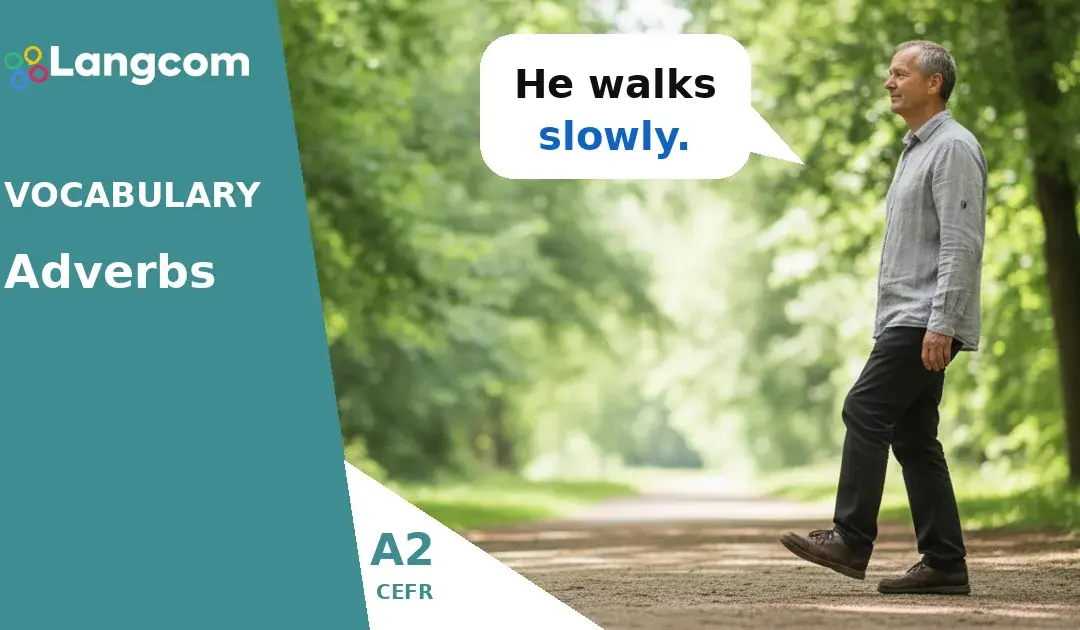
Adverbs are words that describe verbs, adjectives, or other adverbs. They give us more information about an action or a quality. Adverbs tell us how, when, where, or to what extent something happens. Most adverbs are formed by adding -ly to an adjective, like quick...

投稿者 ラウル | 2026年9月10日 | A2 Key (KET)
The Present Perfect with ‘for’ and ‘since’ helps us talk about actions or situations that started in the past and are still true or continuing now. This is a key grammar point for A2 English learners. We use for to describe a *period of time* –...

投稿者 ラウル | 2026年9月10日 | B2 First(FCE)
Collocations with do are fixed phrases that help your English sound natural and fluent. These are groups of words that often go together, like do your best or do a favour. Learning these specific combinations is crucial for B2 learners because it helps you speak and...
投稿者 ラウル | 2026年9月10日 | B2 First(FCE)
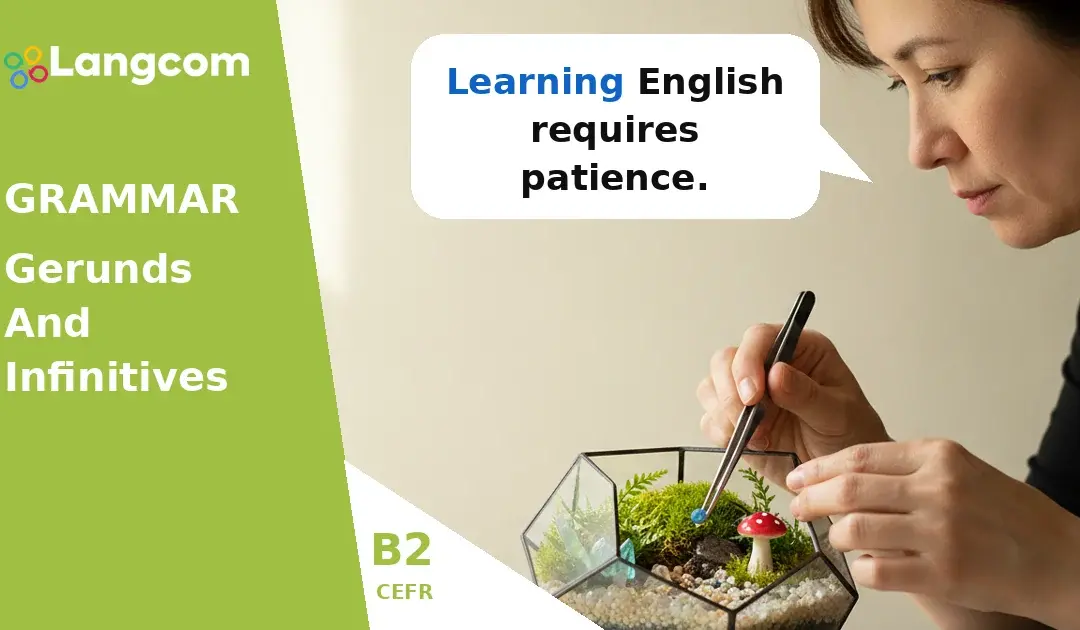
動名詞とは、-ingで終わる動詞で名詞のように機能するものであり、一方、不定詞とは動詞の原形であり、通常「to」を伴います(例:to read)。不定詞は、目的を表す場合や、特定の動詞の後に続く場合によく使われます。それぞれをいつ使うかを理解することは、B2レベルの英語において不可欠です…….
投稿者 ラウル | 2026年9月10日 | B2 First(FCE)
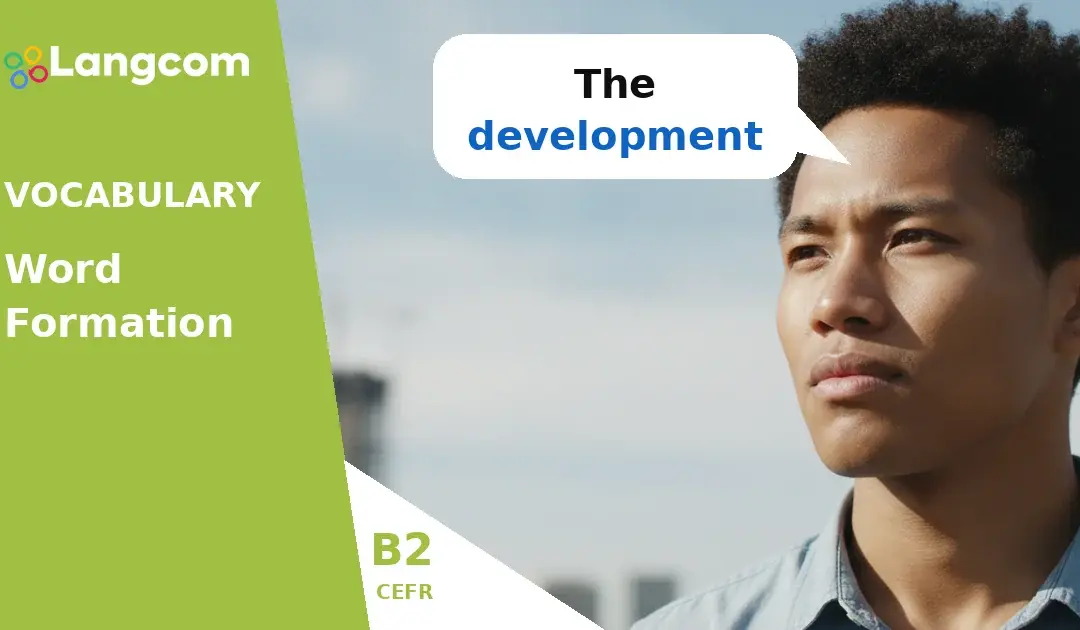
Word formation is the process of creating new words or changing a word’s grammatical class (like from a verb to a noun) by adding prefixes or suffixes. This skill is crucial for the B2 First (FCE) exam, especially in Part 3 of the Reading and Use of English...
