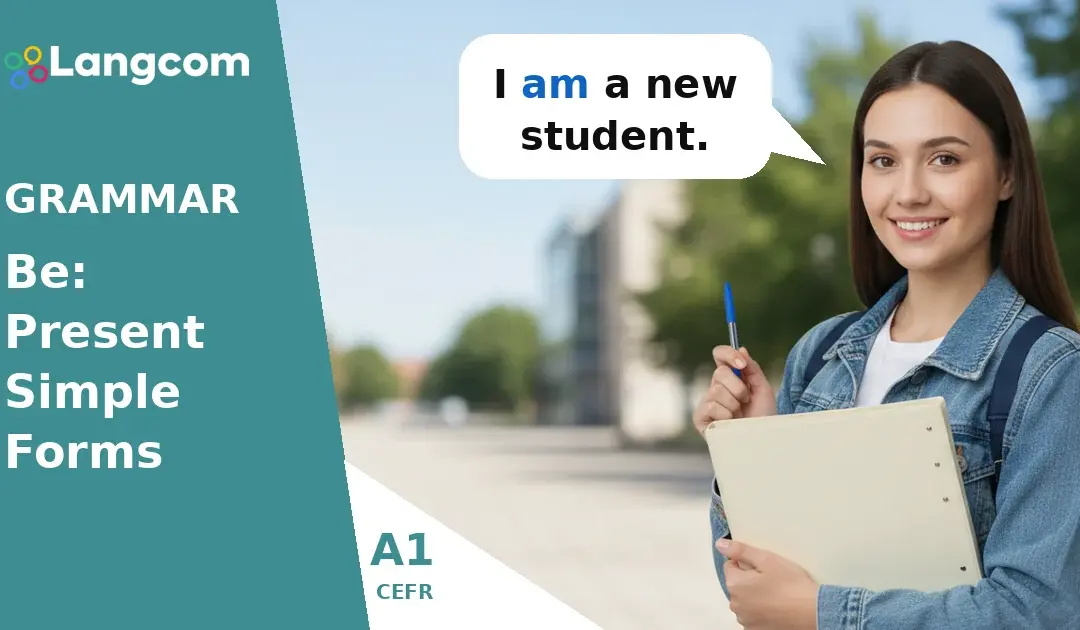
投稿者 ラウル | 2026年8月5日 | A1 英語(初級)
動詞「be」は、自分が誰であるか、どこにいるか、そしてどのように感じているかについて話すのに役立ちます。これは英語で最も重要な動詞の一つであり、主語に応じて形が変わります。「I」の場合は「am」を使います(例:「I am a student」)。「you」(単数・複数)や「we」の場合は「are」を使います(例:...).
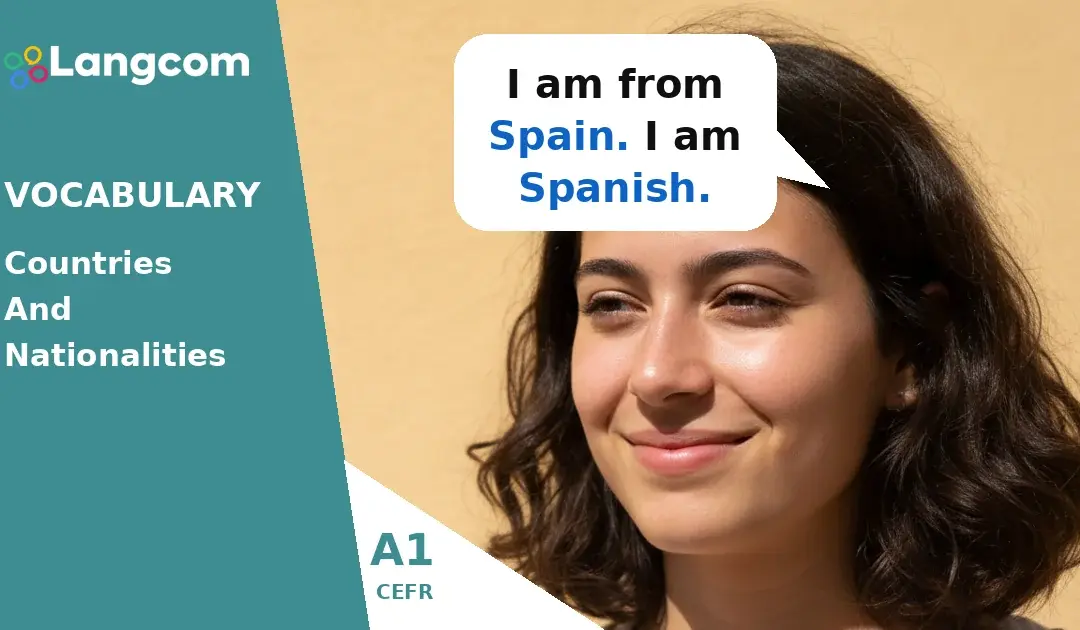
投稿者 ラウル | 2026年8月5日 | A1 英語(初級)
「国」とは、地図上の場所を指す名称のことで、例えばスペインや日本などがあります。「国籍」とは、その人がどこ出身かを表す言葉であり、例えばスペイン出身の人は「スペイン人」です。これらの言葉は、人の出身地やアイデンティティについて話す際に役立ちます。私たちはこれらを使って、自己紹介をする際に…….

投稿者 ラウル | 2026年8月5日 | A1 英語(初級)
To make ‘be’ negative for ‘I,’ ‘you,’ and ‘we,’ you add not after the verb. This is a basic rule for A1 English. For ‘I,’ we say I am not or the short form I’m not. For ‘you’ (singular or...

投稿者 ラウル | 2026年8月5日 | A1レベル前の子供向け英語(初心者向け)
In English, we use two main verbs, play and go, to talk about sports and activities. It is important to choose the correct verb to sound natural. We use play for sports that typically involve a ball, like football or basketball, and for competitive team sports or...

投稿者 ラウル | 2026年8月5日 | A1レベル前の子供向け英語(初心者向け)
Question words help you ask for specific information in English. They are very important for conversations. When you want to know about a person, a thing, a place, or a time, you use a special word at the beginning of your question. For example, you use Who to ask...
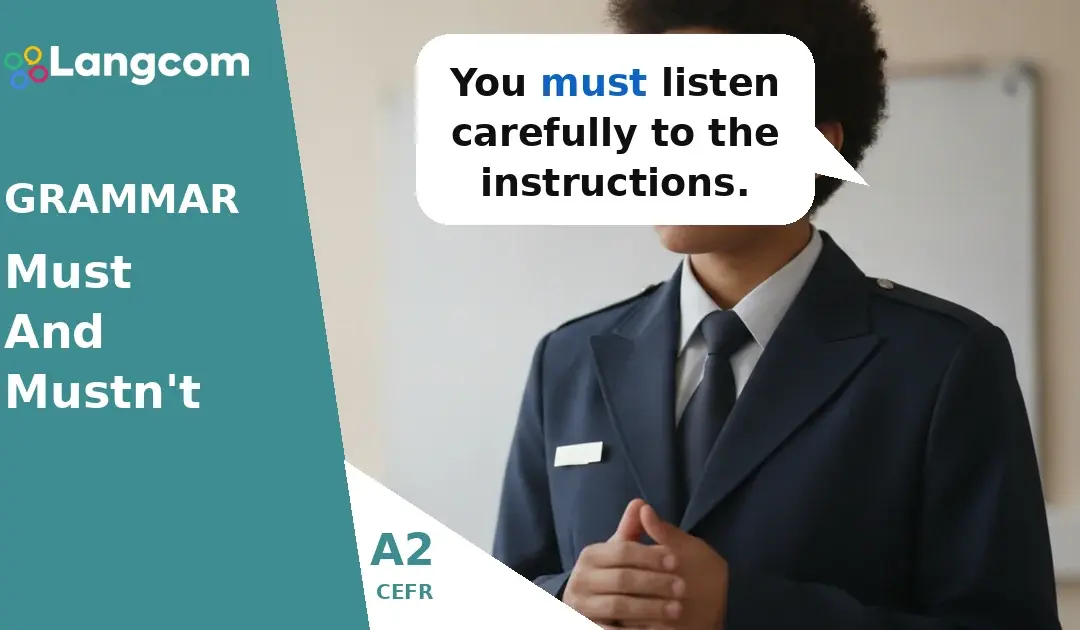
投稿者 ラウル | 2026年8月5日 | A2 Key (KET)
Must and mustn’t are modal verbs we use to talk about rules, obligations, and things that are very important to do or not to do. We use must when something is necessary or when we give strong advice. For example, You must wear a seatbelt in the car. This shows a...
