
投稿者 ラウル | 2026年9月11日 | B2 中上級英語
Future time clauses and conditionals help you talk about future events, plans, and possibilities in English by linking a condition or time to a future action. The most important rule is to use a present simple verb in the clause that starts with words like if, when,...
投稿者 ラウル | 2026年9月10日 | B2 中上級英語
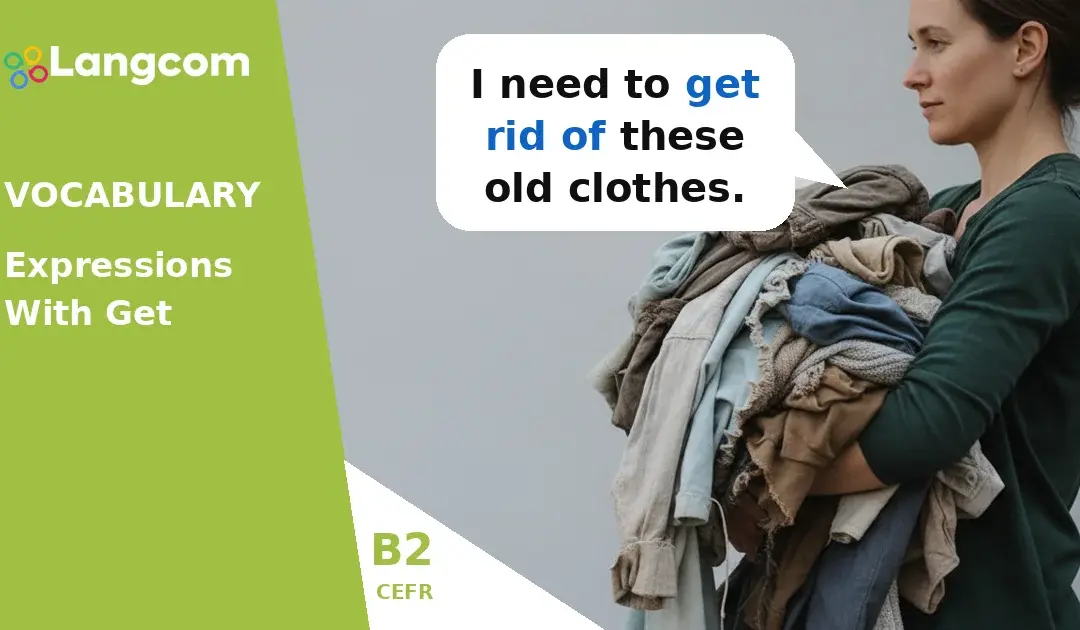
The verb get is one of the most versatile and common verbs in English, especially in everyday conversation. It combines with many prepositions and adverbs to form phrasal verbs and idiomatic expressions. These expressions often have meanings very different from the...

投稿者 ラウル | 2026年9月10日 | B2 中上級英語
Elision is when English speakers drop or ‘leave out’ sounds in words or phrases, especially in fast, natural speech. This happens to make speaking easier and smoother, creating a more fluid rhythm. For example, the ‘t’ sound in must go often...
投稿者 ラウル | 2026年9月10日 | Pre A1 Starters
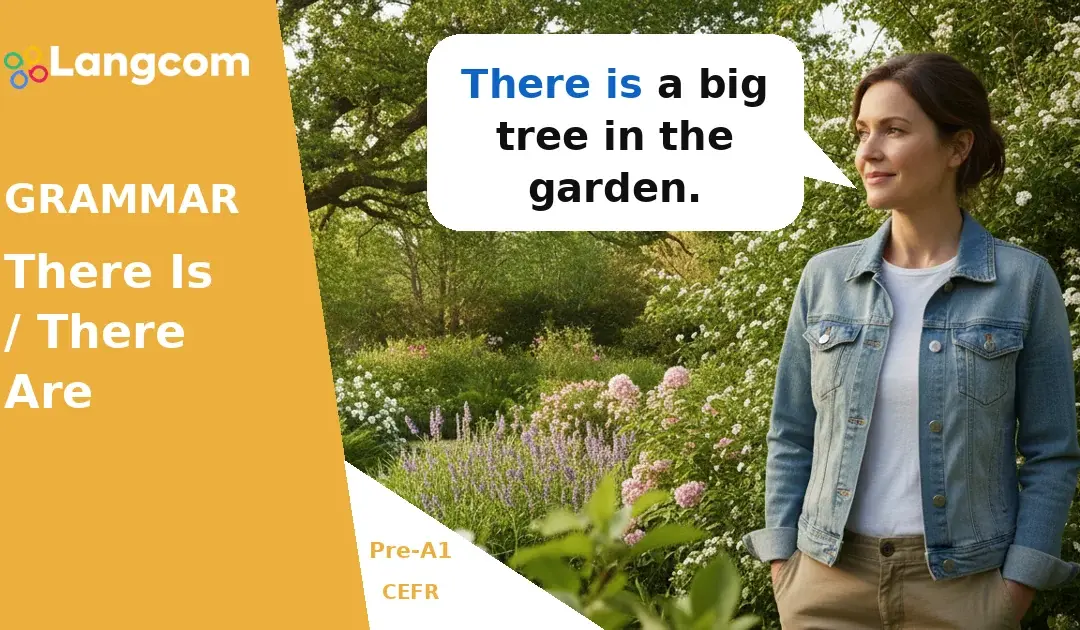
There is and There are are essential English phrases we use to say that something exists in a place. Think of them as the English way to express ‘hay’ in Spanish. We use there is when we talk about one thing (singular) or an uncountable noun. For example,...

投稿者 ラウル | 2026年9月10日 | B1 中級英語
Many English verbs are followed by another verb in a specific form: either the to + infinitive (e.g., to go) or the verb + -ing (e.g., going), also known as the gerund. This choice is not random; it depends entirely on the first verb in the sentence. Understanding...

投稿者 ラウル | 2026年9月10日 | B1 中級英語
In English, when one verb follows another, the second verb must take a specific form: either the -ing form (called a gerund) or the to + base verb form (called an infinitive). There is no simple rule to know which form to use; it depends on the first verb. For...
