投稿者 ラウル | 2026年9月11日 | B1 中級英語
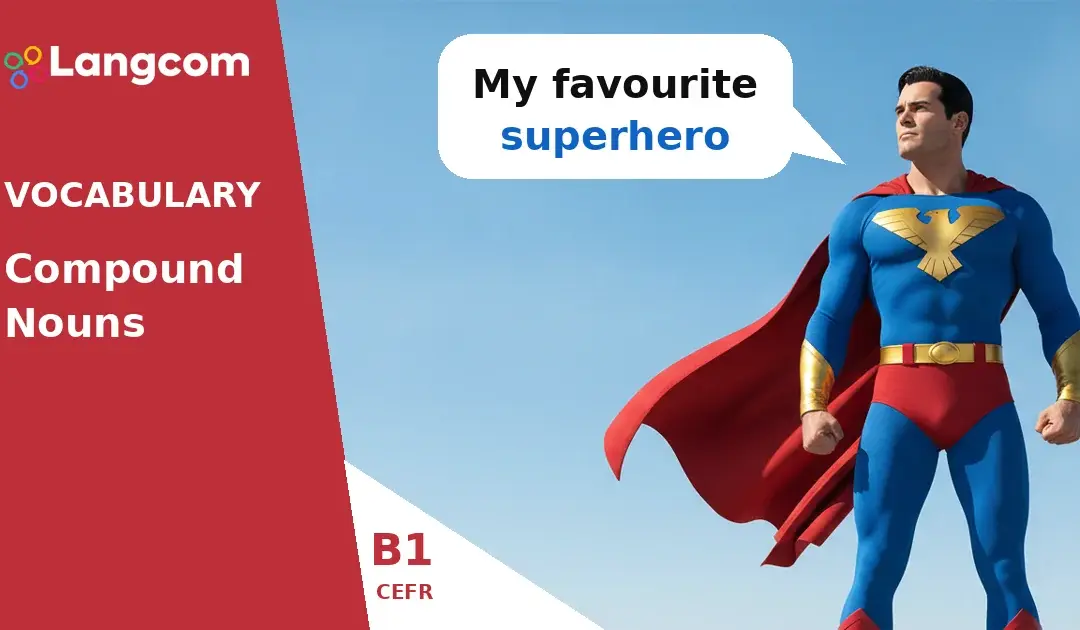
Compound nouns combine two or more words to create a single noun with a new, specific meaning. These are very common in English and help us describe things more precisely. For example, sun (a star) and flower (a plant) combine to form sunflower, which is a specific...

投稿者 ラウル | 2026年9月11日 | B1 中級英語
Defining relative clauses give essential information about a noun, telling us exactly which person, thing, or place we are talking about. Without this clause, the meaning of the sentence would be unclear or incomplete. They are a fundamental part of B1 English...
投稿者 ラウル | 2026年9月11日 | C1 Advanced 英語
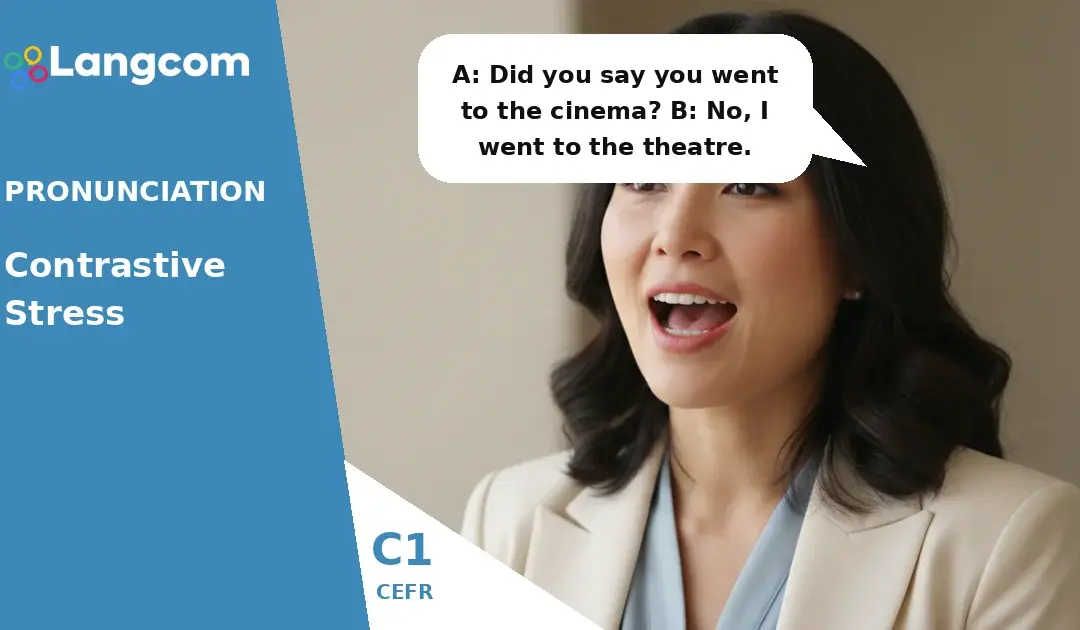
Contrastive stress is when you place extra emphasis on a specific word in a sentence to highlight new information, correct a misunderstanding, or draw attention to a particular detail. This shift in stress changes the focus of the sentence, making it clear which part...

投稿者 ラウル | 2026年9月11日 | C1 Advanced 英語
The future perfect tense describes an action that will be completed before a specific time or another action in the future. It focuses on the result or completion of an event by a future deadline. For example, By 2025, I will have learned English fluently. In...

投稿者 ラウル | 2026年9月11日 | C1 Advanced 英語
Commenting adverbs with future forms allow you to express your personal opinion or attitude about how likely, certain, or desirable a future action or situation is. These adverbs, such as undoubtedly, inevitably, or fortunately, don’t describe how an action is...
投稿者 ラウル | 2026年9月11日 | C1 Advanced 英語
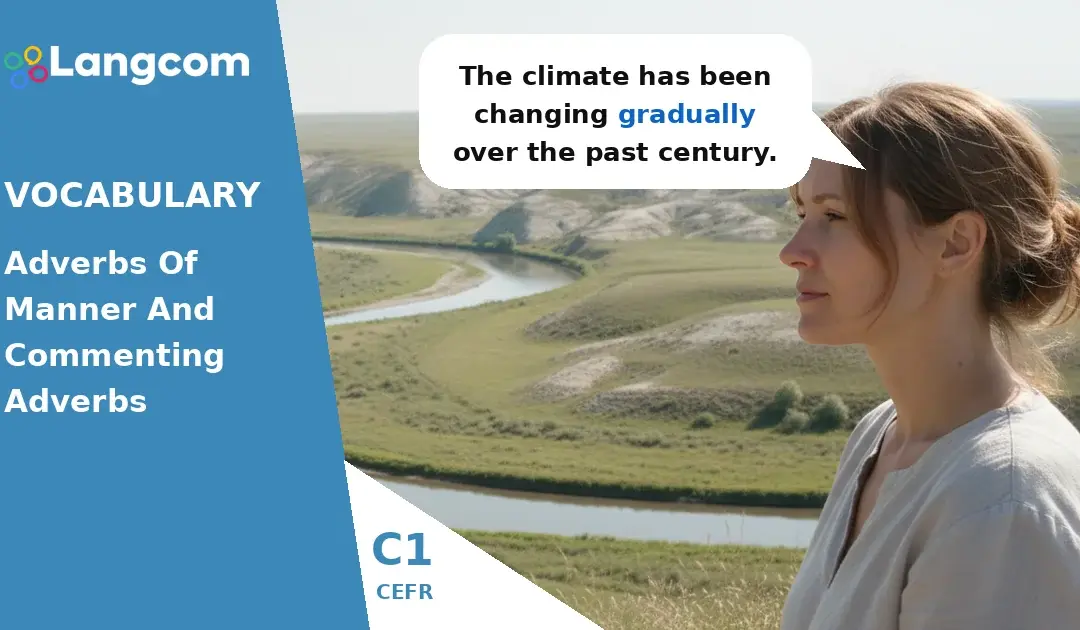
C1 adverbs of manner, degree, and commenting are essential tools for expressing precise meaning, showing the extent of change, or conveying your opinion about an entire statement. These advanced adverbs allow you to add sophistication and nuance to your English,...
