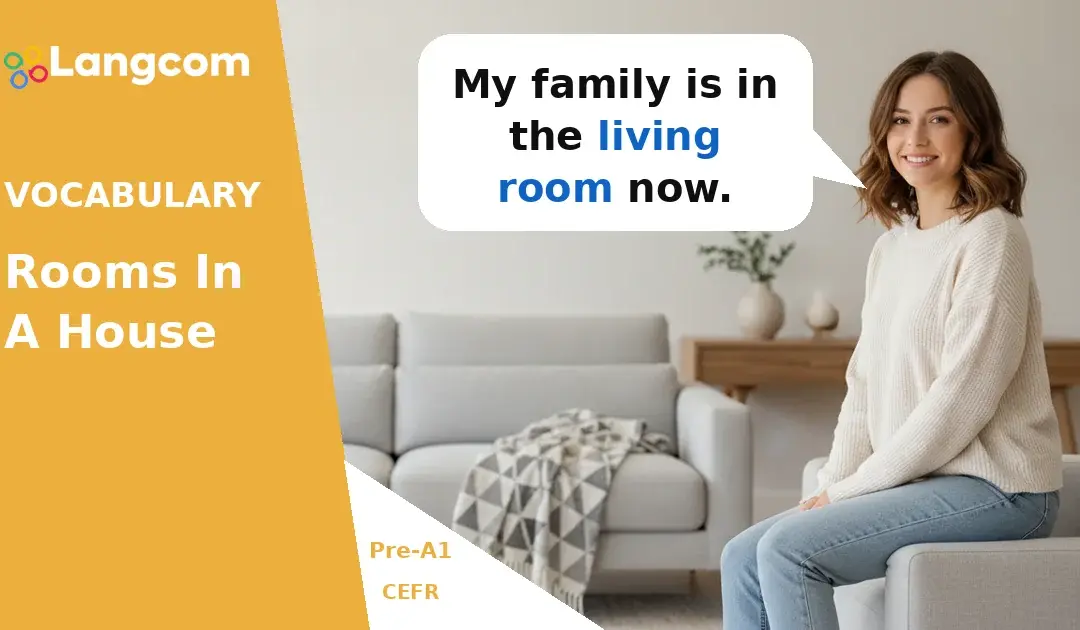
by Raúl | Jul 15, 2026 | Pre A1 Beginner English for Kids
Learning the names of rooms in English helps you talk about where you live and what you do every day. A house has many different spaces, and each one has a special name and purpose. For example, you cook in the kitchen, and you sleep in the bedroom. Knowing these...
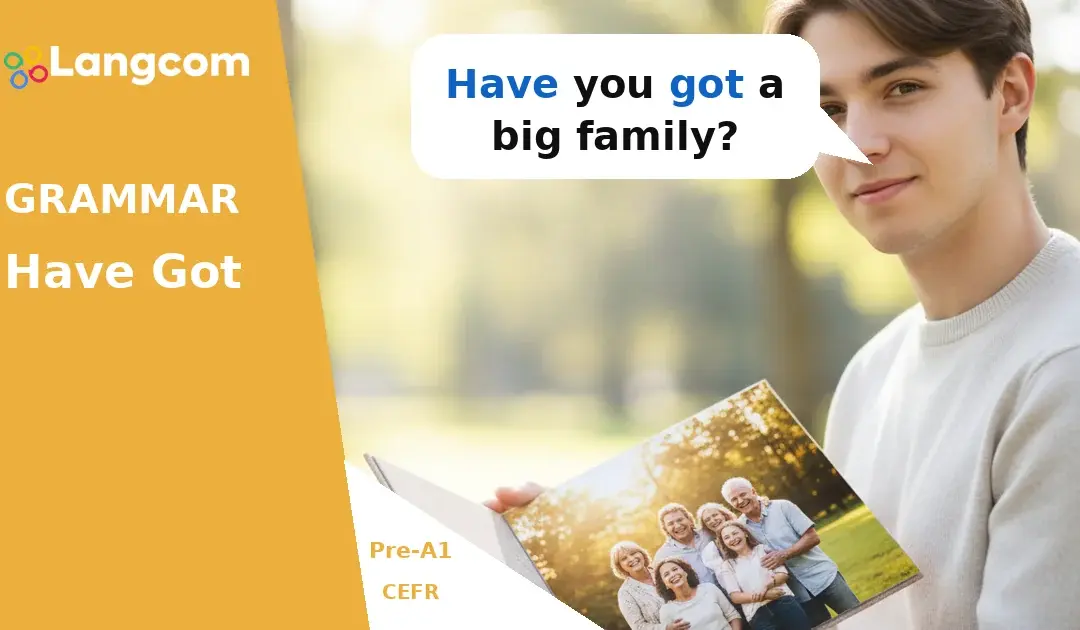
by Raúl | Jul 15, 2026 | Pre A1 Beginner English for Kids
To ask about what someone possesses or has, we use Have got or Has got in question form. This structure is common in British English and is very useful for beginners. For example, you can ask Have you got a car? or Has she got a brother? The choice between Have and...
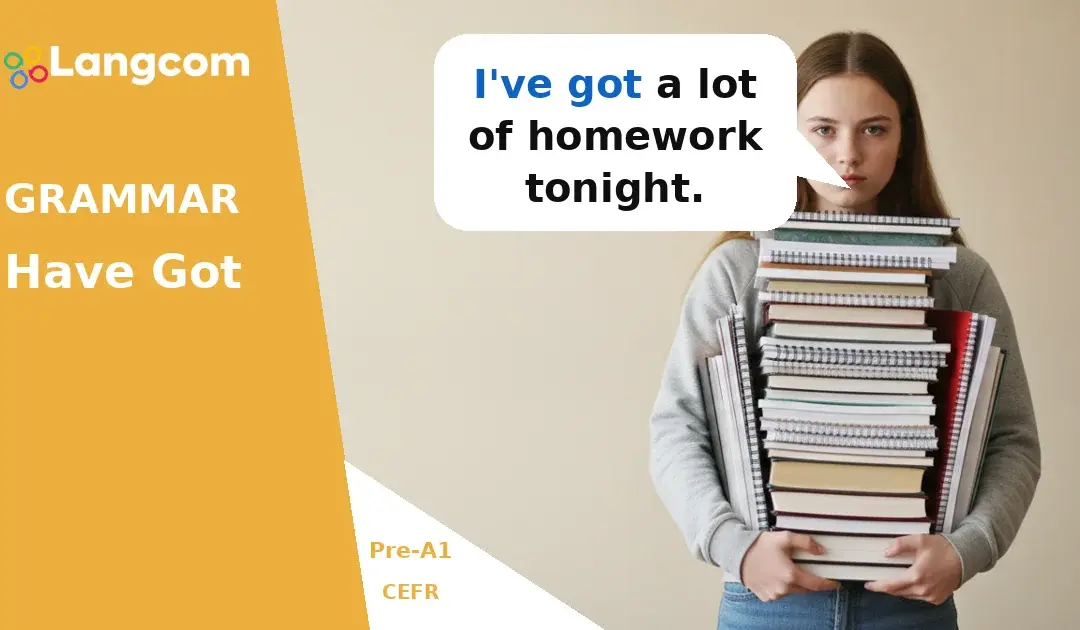
by Raúl | Jul 15, 2026 | Pre A1 Beginner English for Kids
‘Have got’ and ‘has got’ are common ways to talk about possession in English. They mean that you own something, have something, or possess a characteristic. We use have got with the subjects I, you, we, and they. For example, I have got a new...
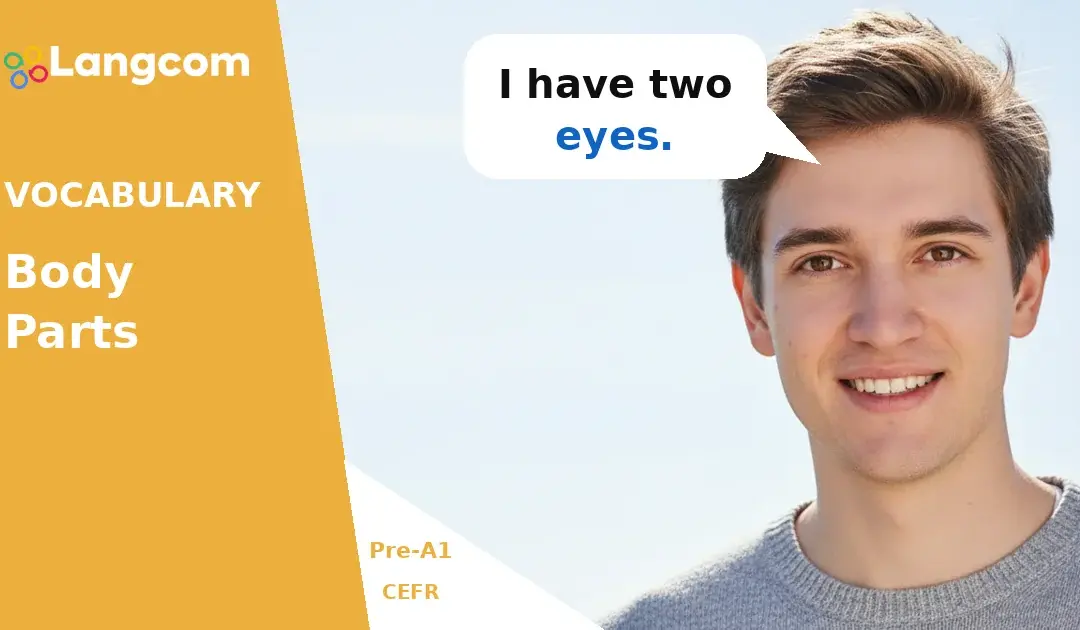
by Raúl | Jul 15, 2026 | Pre A1 Beginner English for Kids
Learning English names for body parts helps you talk about yourself and others clearly and effectively. These words are essential for everyday communication, whether you are describing a person, discussing your health, or understanding simple instructions. In this...
by Raúl | Jul 15, 2026 | A2 Basic English
The Past Simple of ‘be’ (was/were) helps us talk about how things were, where people were, or what someone was like in the past. It’s one of the most important verbs in English for A1 learners. We use was for singular subjects like I, he, she, it,...
by Raúl | Jul 15, 2026 | A2 Basic English
To say years in English, we usually split them into two pairs of numbers, like nineteen eighty-four for 1984. For years from 2000 to 2009, say two thousand and X, for example, two thousand and five. From 2010, you can say twenty X, like twenty twenty-three. For dates,...
