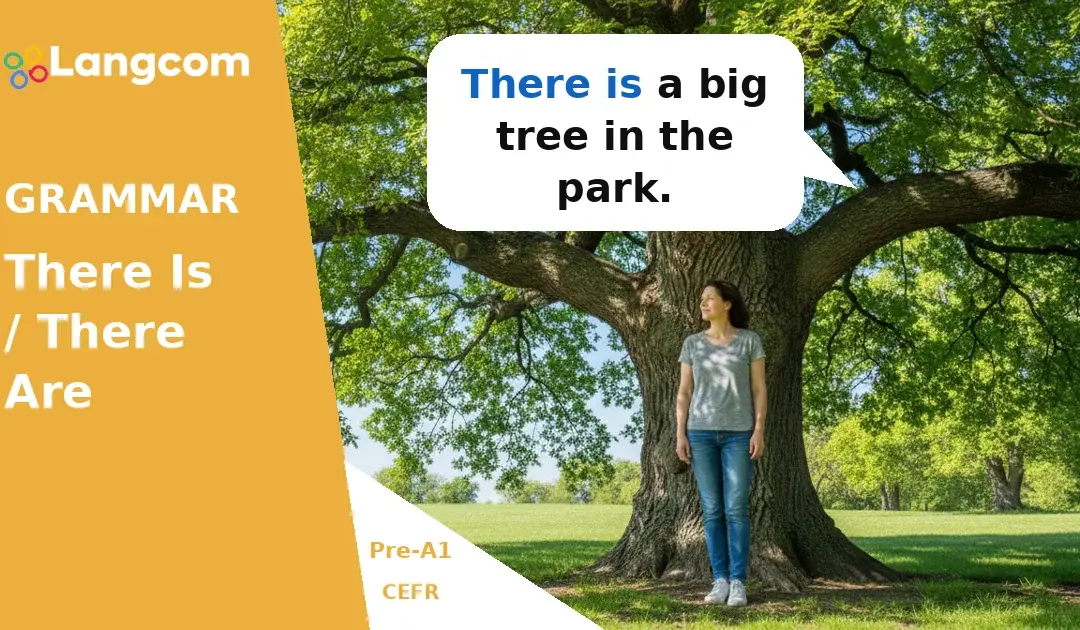
by Raúl | Jul 18, 2026 | Pre A1 Beginner English for Kids
To describe what exists in a place, use There is for one thing (singular) and There are for many things (plural). This grammar point helps you talk about objects, people, or places around you. For example, if you see one book, you say There is a book on the table. If...
by Raúl | Jul 18, 2026 | A2 Key (KET)
Learning English family vocabulary helps you talk about the people closest to you and is important for the A2 Key exam. You will learn words like mother, father, sister, and brother for your immediate family. For your extended family, you will learn grandparents,...
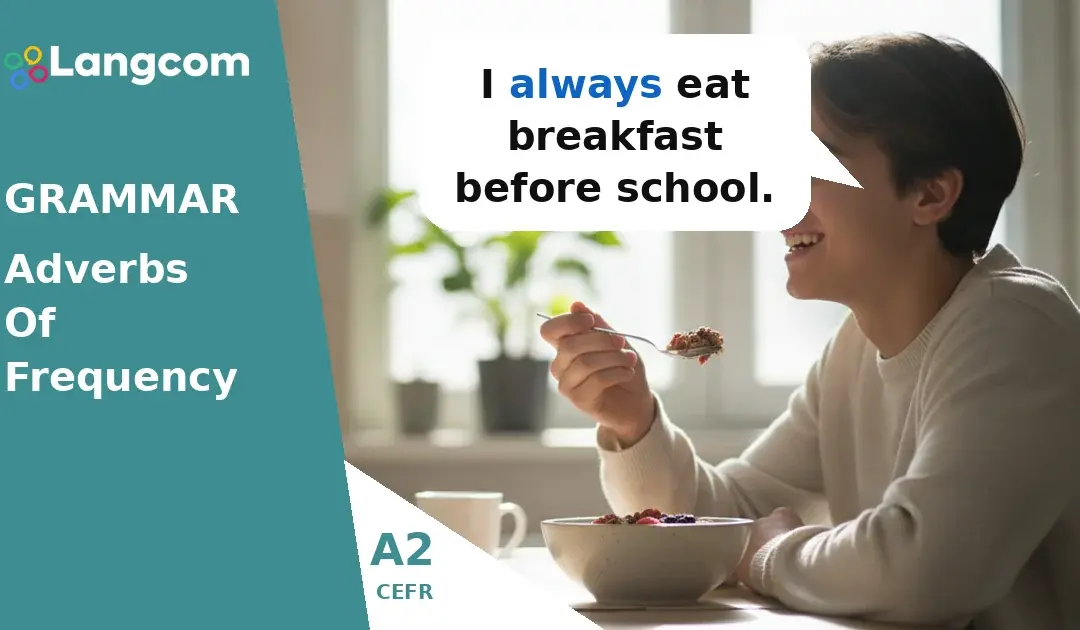
by Raúl | Jul 18, 2026 | A2 Key (KET)
Adverbs of frequency tell us how often something happens. They are important words like always, usually, often, sometimes, hardly ever, and never. These adverbs help you describe your habits and routines in English. Knowing where to put them in a sentence is key for...
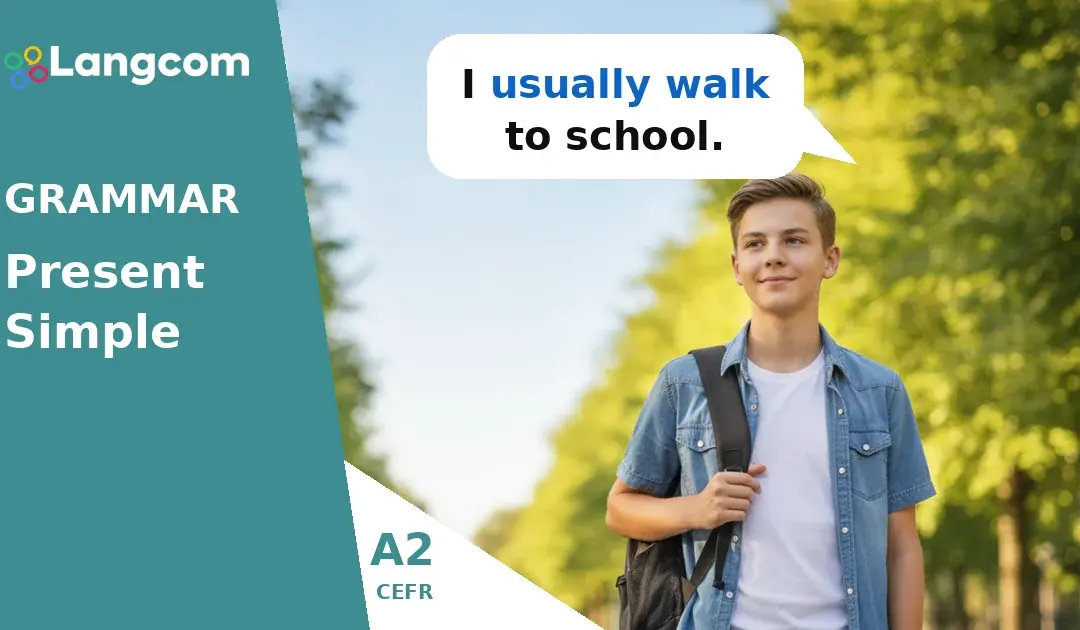
by Raúl | Jul 18, 2026 | A2 Key (KET)
The Present Simple tense helps us talk about things that happen regularly, general facts, and daily routines. It is one of the first and most important tenses you learn in English, essential for everyday communication. We use it to describe habits, repeated actions,...
by Raúl | Jul 18, 2026 | A2 Basic English
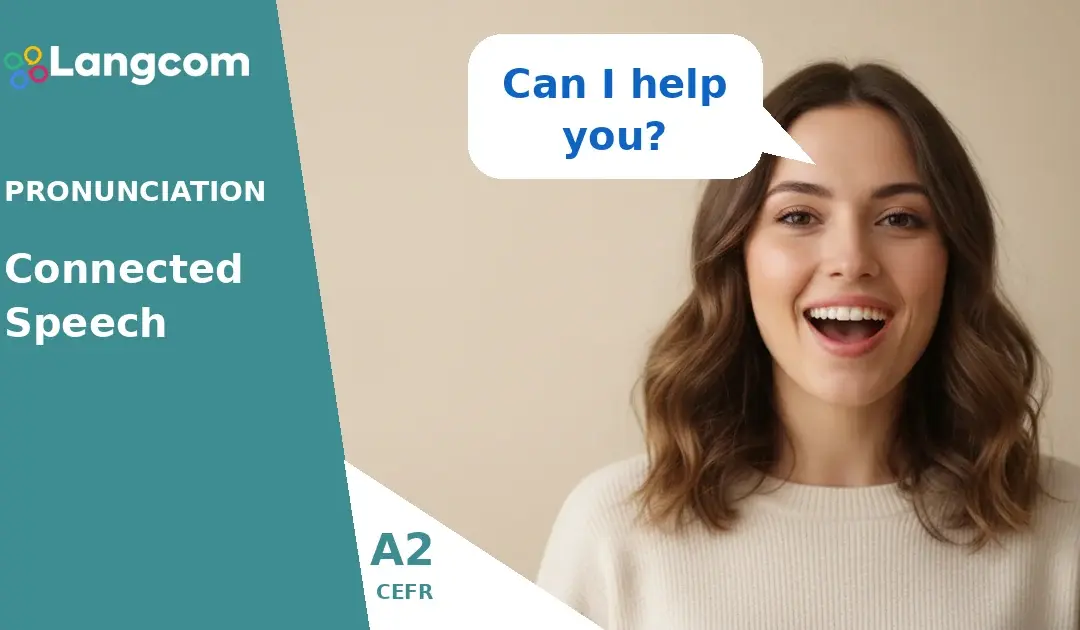
When an English word ends with a consonant sound and the next word starts with a vowel sound, we often connect them without a pause. This makes English sound much smoother and faster, like one long word instead of many separate ones. For example, “an apple” often...
by Raúl | Jul 18, 2026 | A2 Basic English
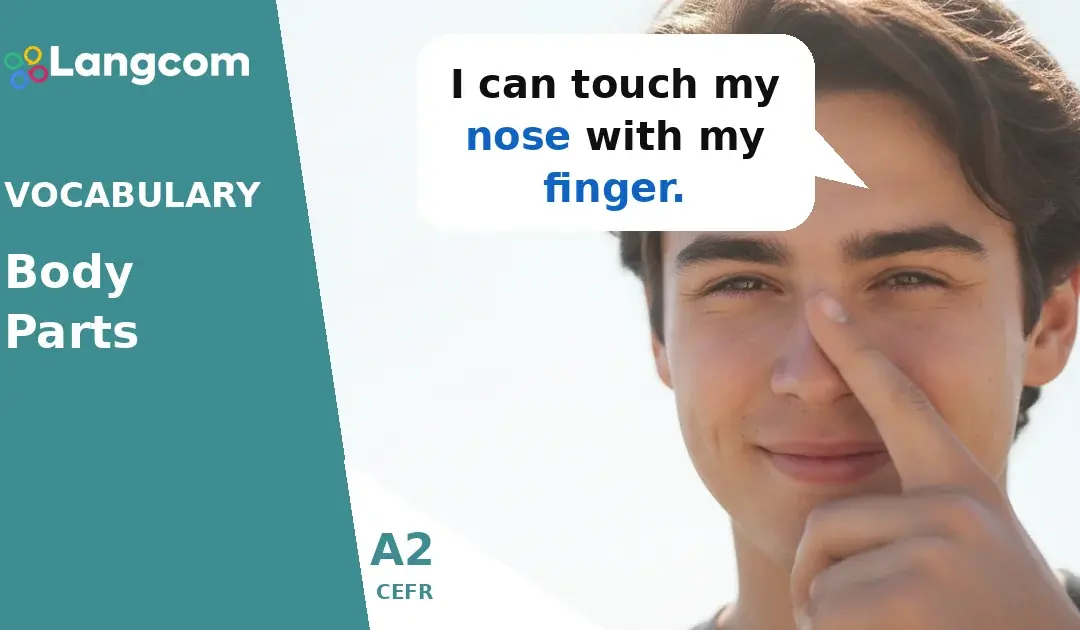
Learning the names of body parts in English is very important for everyday communication. You use these words to describe people, talk about health, and understand directions. For example, you might say I have a headache or She has long hair. Knowing words like head,...
