
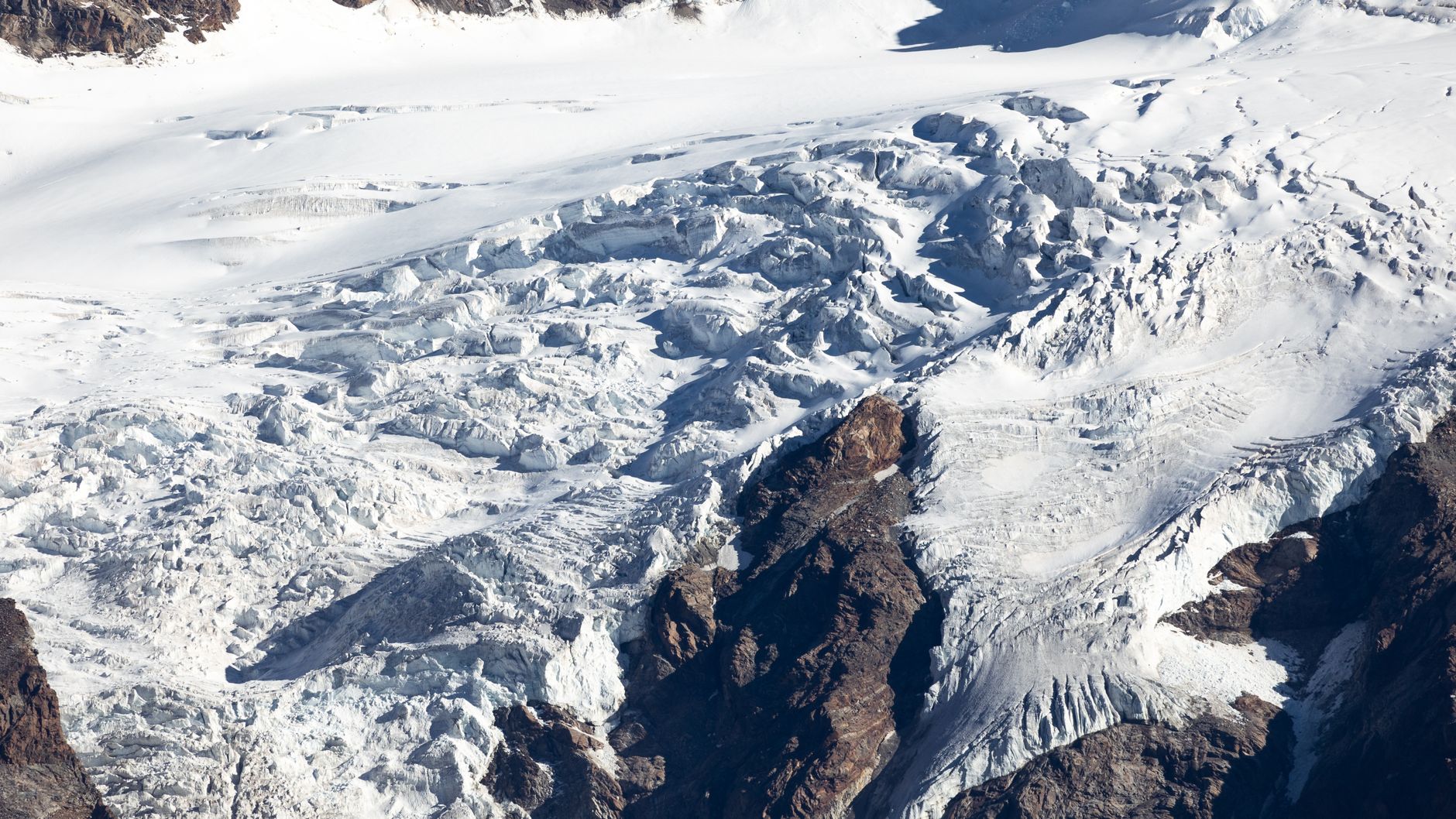

The majestic Mount Huascarán is changing rapidly, and experts warn that rising temperatures are making the highest peak in Peru increasingly dangerous for residents and climbers alike.
Mount Huascarán has always been the symbol of the Ancash region. For decades, its white peaks have attracted thousands of tourists and mountain climbers to Huaraz. However, recent scientific studies and observations from local experts show a worrying trend. The mountain is becoming more unstable. This instability is not just a problem for those who want to reach the summit; it is a significant concern for everyone living in the valleys below. As the planet gets warmer, the ice that holds the mountain together is beginning to disappear, leading to new risks that we must understand and prepare for.
The Science of a Changing Mountain
The primary cause of this increasing danger is the phenomenon known as glacier retreat. In the past, the thick layers of ice and snow acted like a natural glue, holding rocks and boulders in place. Today, as temperatures rise, this ice is melting at an accelerated rate. When the ice disappears, the ground underneath becomes loose. This process often leads to rockfalls and dangerous avalanches. Experts from the National Institute of Research on Glaciers and Mountain Ecosystems (INAIGEM) have been monitoring these changes closely, noting that the “perpetual snow” is no longer as permanent as it once was.
Another technical factor that scientists discuss is permafrost degradation. Permafrost is ground that remains frozen for at least two years. On Huascarán, this frozen ground provides structural support to the steep slopes. When the permafrost thaws, the entire mountainside can become weak. For the people of Huaraz, this brings back memories of historical tragedies, but it also serves as a call to action. We are living in a time where the environment is changing faster than our infrastructure, and understanding the science behind these changes is the first step toward safety.
🎓 Learn English with the Blended method
Small groups · 24/7 AI Tutor · Cambridge preparation
Plans from $39 $79 per month
This situation matters deeply for Huaraz because our economy and safety are tied to the Cordillera Blanca. If the mountains are too dangerous for tourism, many local businesses will suffer. Hotels, restaurants, and mountain guides all depend on the beauty and accessibility of our peaks. Furthermore, the melting glaciers affect our water supply. While there is more water now because of the melting ice, in the future, the “water bank” of the glaciers will be empty. This transition creates a complex challenge for agriculture and daily life in the Ancash region.
Opportunities in a Changing Climate
While the news about Mount Huascarán sounds frightening, it also creates a unique set of opportunities for the youth of Huaraz. Because the Cordillera Blanca is one of the most important places in the world for studying climate change, international scientists and organizations frequently visit our city. These experts come from the United States, Europe, and Asia to conduct research. This international presence means that there is a high demand for local professionals who can communicate effectively in a global environment. Whether you are a scientist, a mountain guide, or a business owner, being able to discuss environmental issues is essential.
To participate in these global conversations and protect our region, communication is key. Many young people in Huaraz are realizing that they need to share our local reality with the rest of the world. To communicate these environmental changes and professional needs to international partners, many locals find it helpful to learn English with Langcom. By mastering a second language, residents can work as high-level mountain guides, environmental consultants, or international tourism managers. English is the language of global science and international relief efforts, making it a vital tool for the future of Ancash.
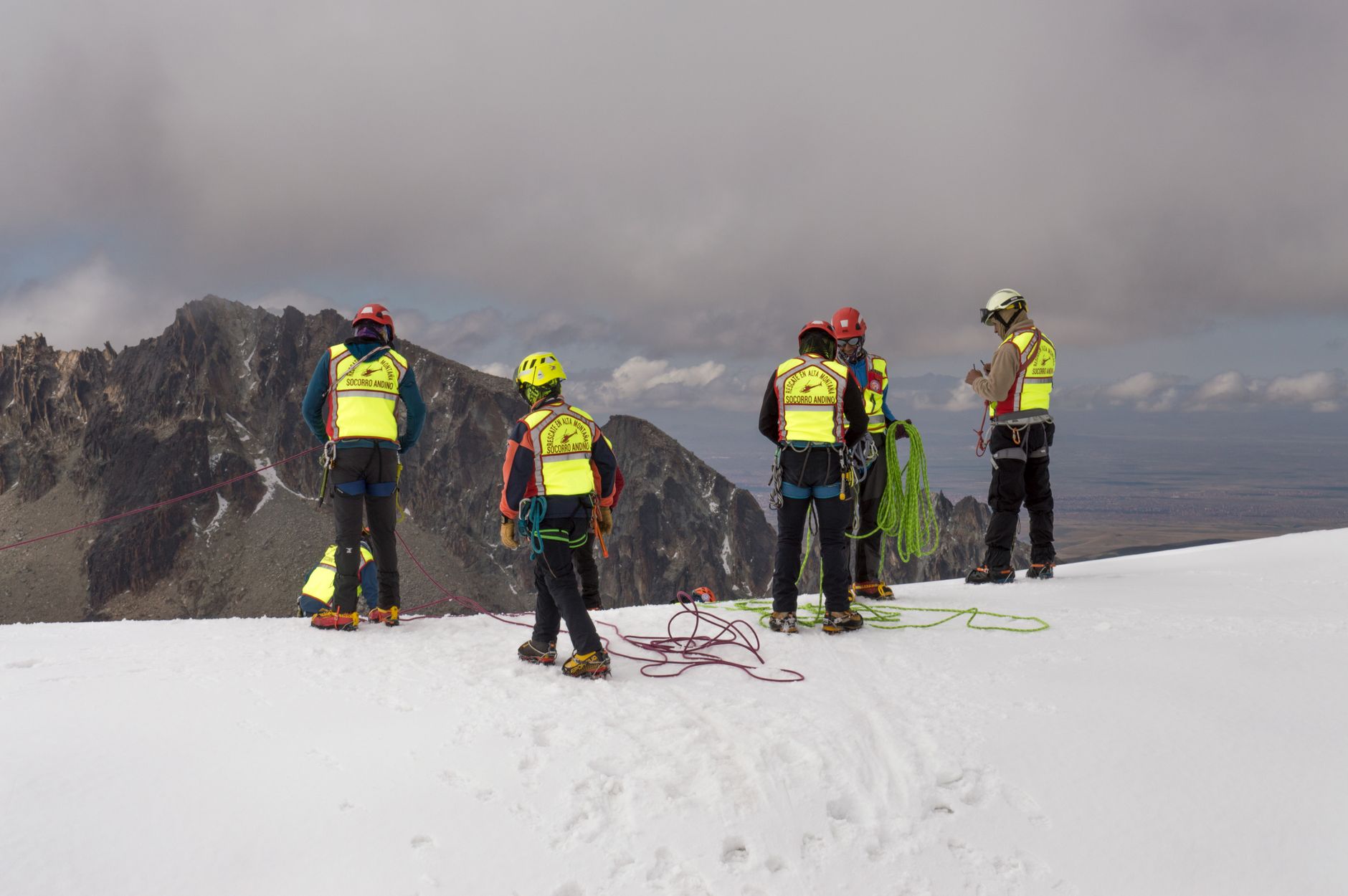
Furthermore, the shift in the mountain’s stability means that the tourism industry must evolve. We need more “adventure risk management” experts and specialized educators. These roles require a high level of technical knowledge and the ability to read international safety reports, which are almost always published in English. Instead of seeing the changes in Huascarán only as a threat, we can see them as a reason to become more educated and better prepared. By improving our skills, we can ensure that Huaraz remains a safe and prosperous place for future generations.
The future of Mount Huascarán is uncertain, but our ability to adapt is not. As we watch the ice recede, we must also look forward to how we can grow as a community. Education, environmental awareness, and language skills will be the pillars of our resilience. By staying informed and connected to the global community, Huaraz can navigate these environmental challenges and find new paths to success.
💬 Need personalized guidance?
As an Authorized Cambridge Preparation Centre, we can guide you to the right course and certification. Chat with our advisors today.
Chat with an Advisor on WhatsAppAre you ready to join this global conversation and open new doors for your career in Huaraz? Whether you want to work in international tourism, environmental science, or global business, your journey starts with a strong foundation in English. We invite you to visit Langcom today to test your current English level and discover the best program for your goals. You can keep improving your skills and even earn an international certification with Cambridge, TOEFL, or IELTS right here in your city. Don’t wait for the world to change—start learning with Langcom today and prepare for a brighter, more connected future!


0 Comments