von Raúl | Sep. 8, 2026 | Pre A1 Starters
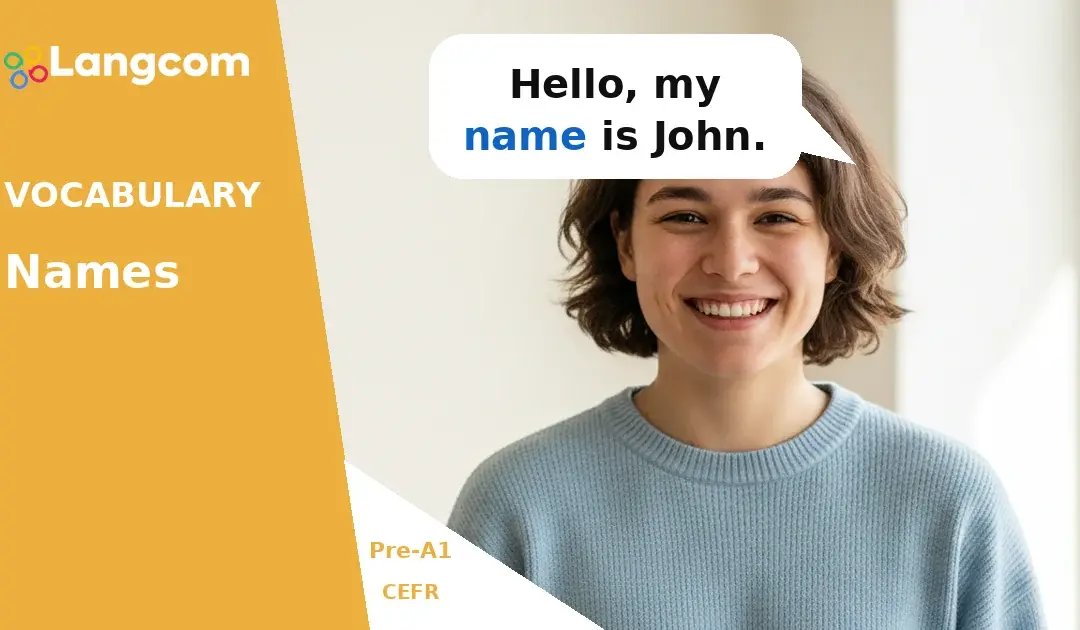
Learning common English names helps you understand and speak English better, especially when meeting new people and listening to conversations. Knowing names like John, Mary, Michael, or Emily is a great first step in your English journey. When you hear someone say,...

von Raúl | Sep. 8, 2026 | Pre A1 Starters
Learning numbers one to ten is the first step to counting in English. These basic numbers are essential for many everyday situations. You use them to say your age, give your phone number, talk about prices, or count objects. Mastering numbers 1 to 10 will help you...

von Raúl | Sep. 8, 2026 | A1 Englisch für Anfänger
The English sounds /tʃ/ and /dʒ/ are important for clear pronunciation. These are ‘affricate’ sounds, meaning they start with a quick stop of air and then a release, like a small explosion. The key difference is that /tʃ/ is a voiceless sound (no vibration...

von Raúl | Sep. 8, 2026 | B1 Englisch für Fortgeschrittene
The passive voice helps us talk about actions when the focus is on the action itself or the receiver of the action, not who performed it. We use it when the person or thing doing the action (the ‘agent’) is unknown, unimportant, or obvious, or when we want...
von Raúl | Sep. 8, 2026 | B1 Englisch für Fortgeschrittene
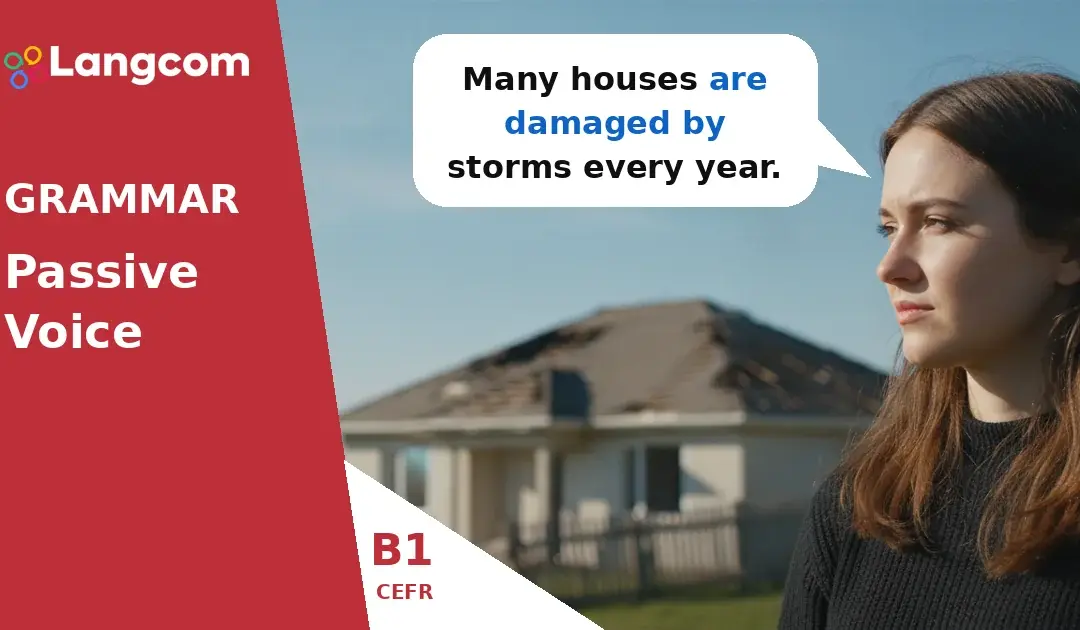
The passive voice helps you focus on the action or its result, not who did it. We use it when the person or thing doing the action (the ‘agent’) is unknown, unimportant, or obvious. It is also common in formal writing, news reports, and scientific...
