von Raúl | 30. Juli 2026 | B1 Englisch für Fortgeschrittene
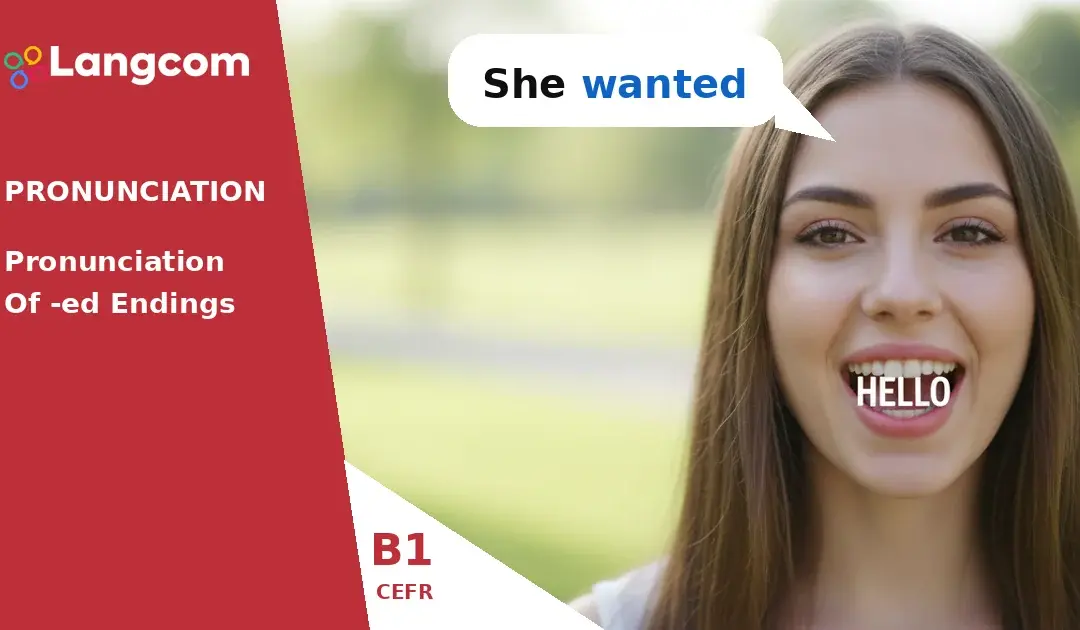
The -ed ending in regular past tense verbs and past participles has three different pronunciations: /ɪd/, /t/, or /d/. The sound depends on the final sound of the base verb before -ed is added. The most important rule to remember is that you only add an extra syllable...

von Raúl | 30. Juli 2026 | B1 Englisch für Fortgeschrittene
To form negative sentences and questions in the Past Simple, we use the auxiliary verb did. This is a key rule for most verbs in English. For negative statements, you combine did with not (or didn’t) and the base form of the main verb. For questions, did comes...

von Raúl | 30. Juli 2026 | B1 Englisch für Fortgeschrittene
The Past Simple positive describes actions that started and finished at a specific time in the past. It is one of the most common tenses in English, used to talk about completed events, stories, and past habits. To form it, we use the base form of regular verbs and...
von Raúl | 30. Juli 2026 | C1 Advanced Englisch
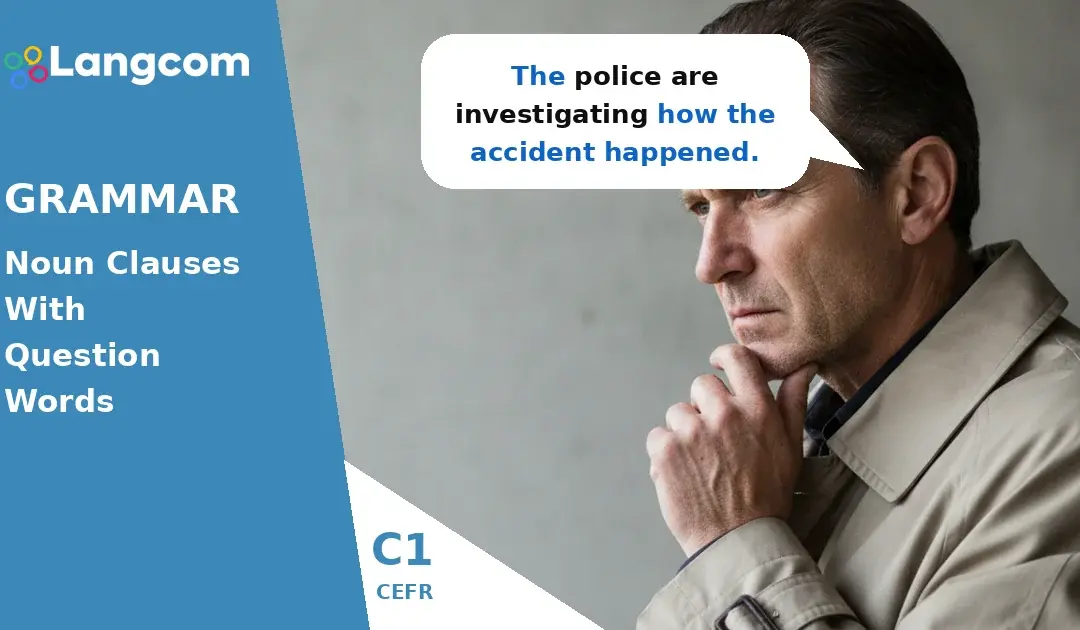
Noun clauses with question words act like nouns in a sentence, functioning as subjects, objects, or complements. They introduce indirect questions or statements, using question words like what, who, where, when, why, how, and whether/if. The most important rule for...
von Raúl | 30. Juli 2026 | C1 Advanced Englisch
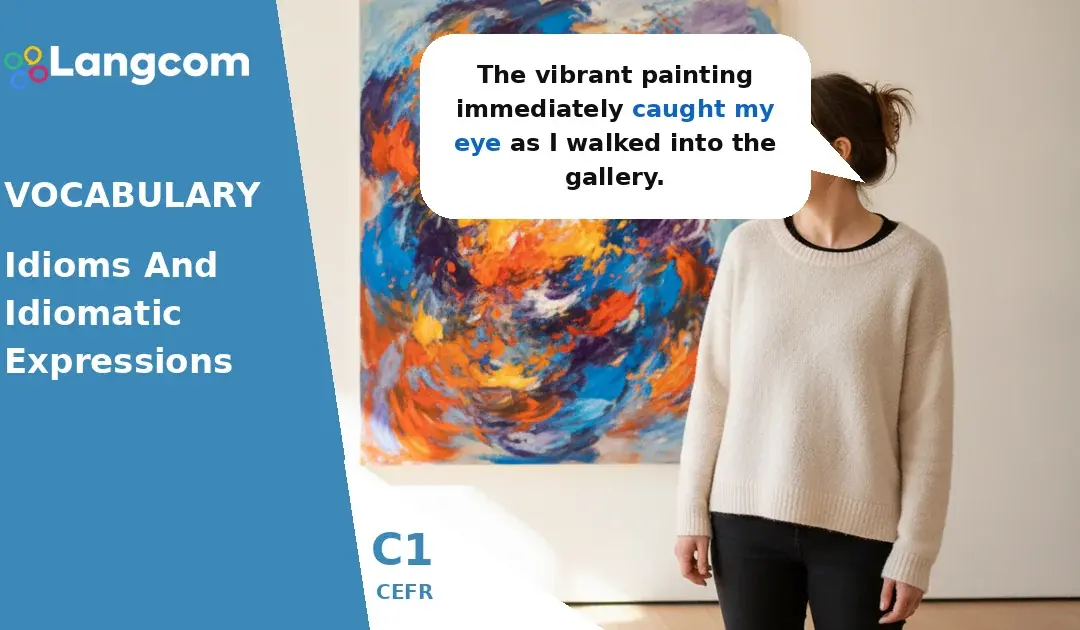
Mastering eye idioms and metaphors is a fantastic way to make your C1 English sound more natural and sophisticated. These expressions add color and depth to your communication, moving beyond literal meanings to convey complex ideas efficiently. For example, when you...
