von Raúl | Sep. 11, 2026 | B1 Englisch für Fortgeschrittene
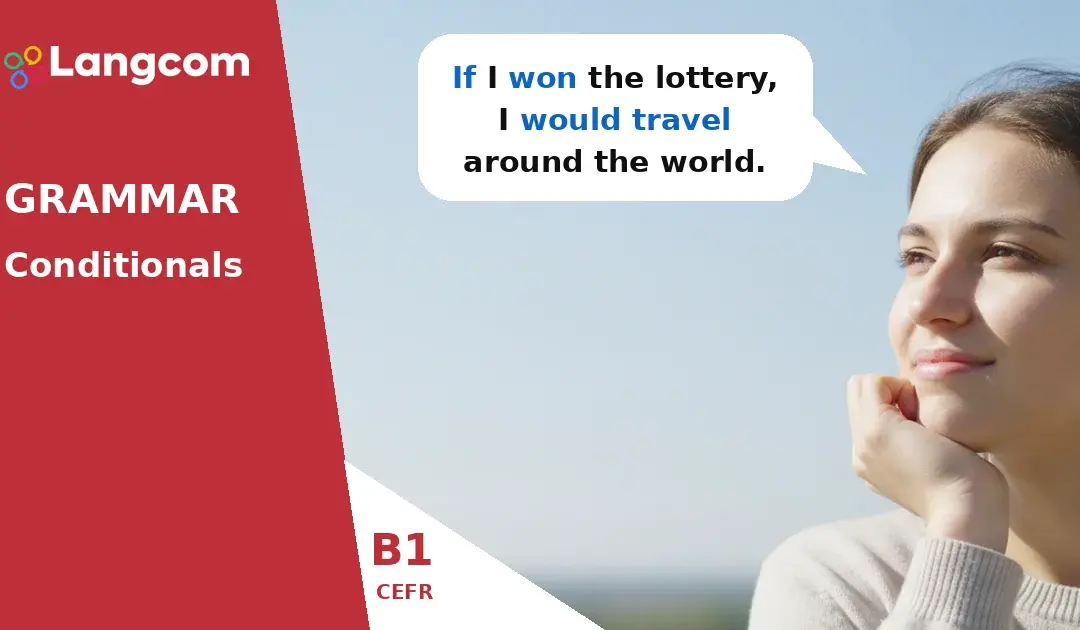
The Second Conditional helps us talk about imaginary, unreal, or impossible situations in the present or future. It’s like dreaming about what *would* happen if things were different. We use it to discuss hypothetical scenarios, give advice, or express wishes...
von Raúl | Sep. 11, 2026 | B1 Englisch für Fortgeschrittene
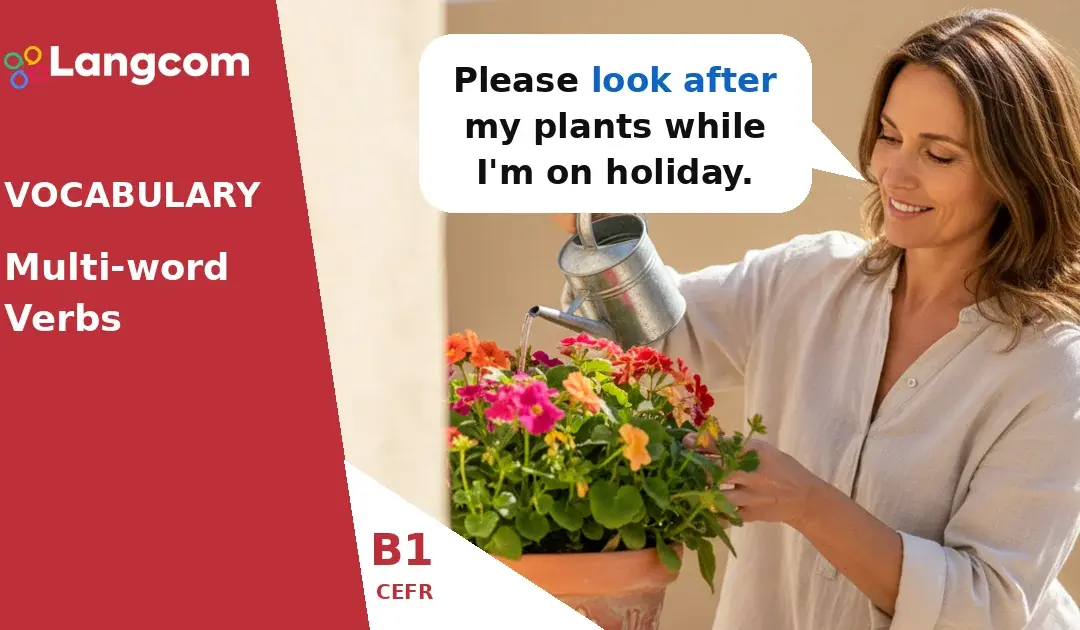
Multi-word verbs are combinations of a verb and one or two small words (prepositions or adverbs) that create a new meaning, often very different from the original verb alone. They are essential for speaking and understanding natural English, especially at B1 level and...
von Raúl | Sep. 11, 2026 | B1 Englisch für Fortgeschrittene
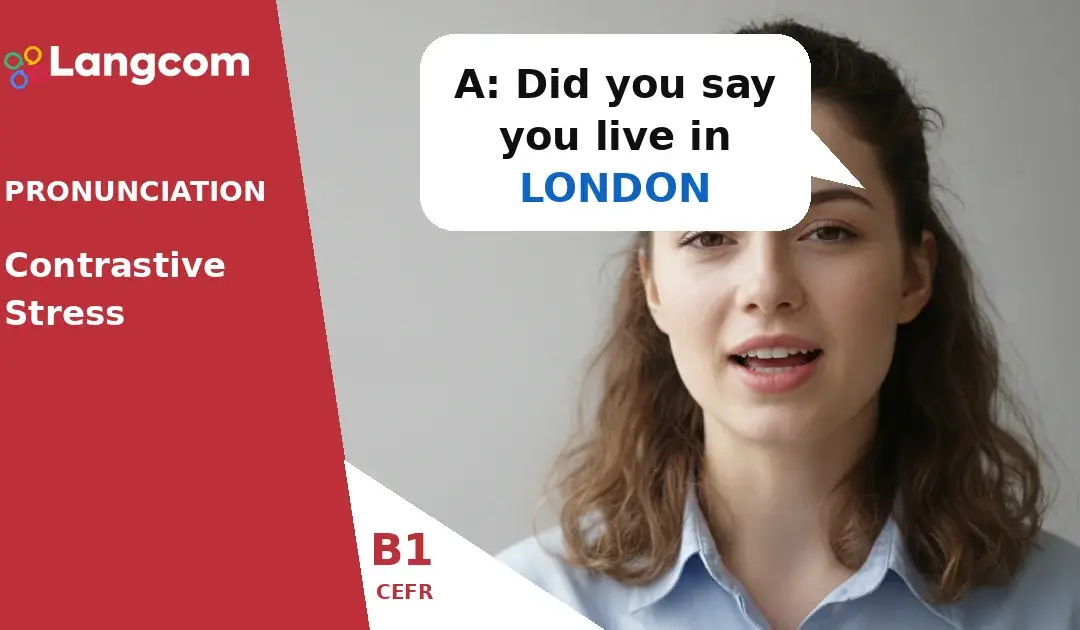
Contrastive stress is when you put extra emphasis on a specific word in a sentence to correct information or show a difference. This type of stress helps you make your meaning very clear, especially when you are disagreeing with someone or providing new, important...
von Raúl | Sep. 11, 2026 | B2 Upper Intermediate Englisch
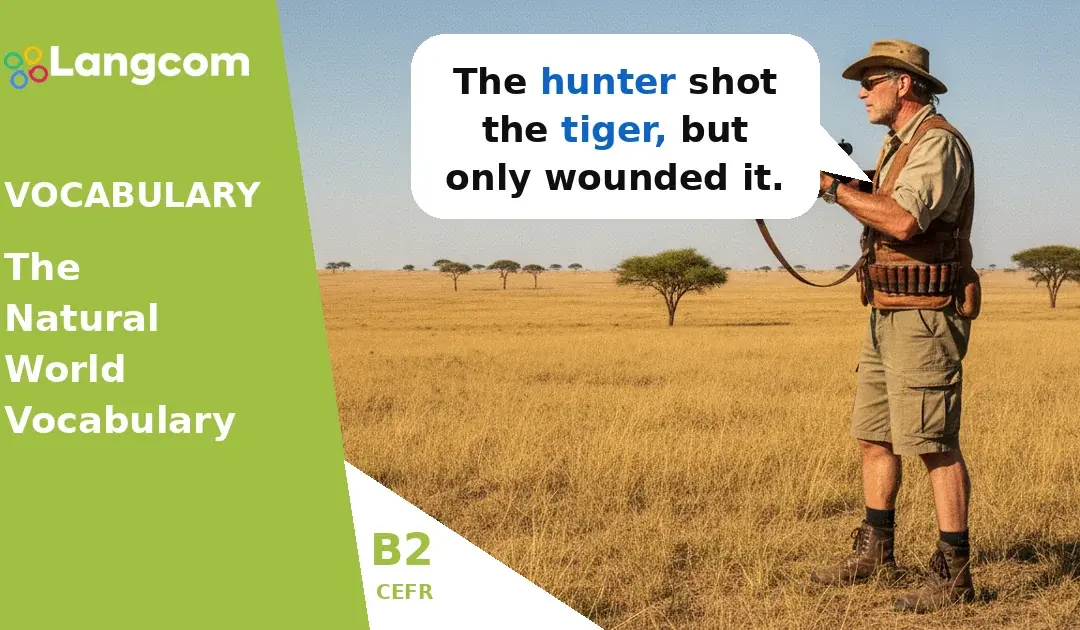
Understanding the verbs shoot, wound, attack, and kill is crucial for describing actions of conflict and injury in English. These B2-level verbs describe a sequence of events, from initiating violence to causing harm or death. To shoot means to fire a weapon, which...
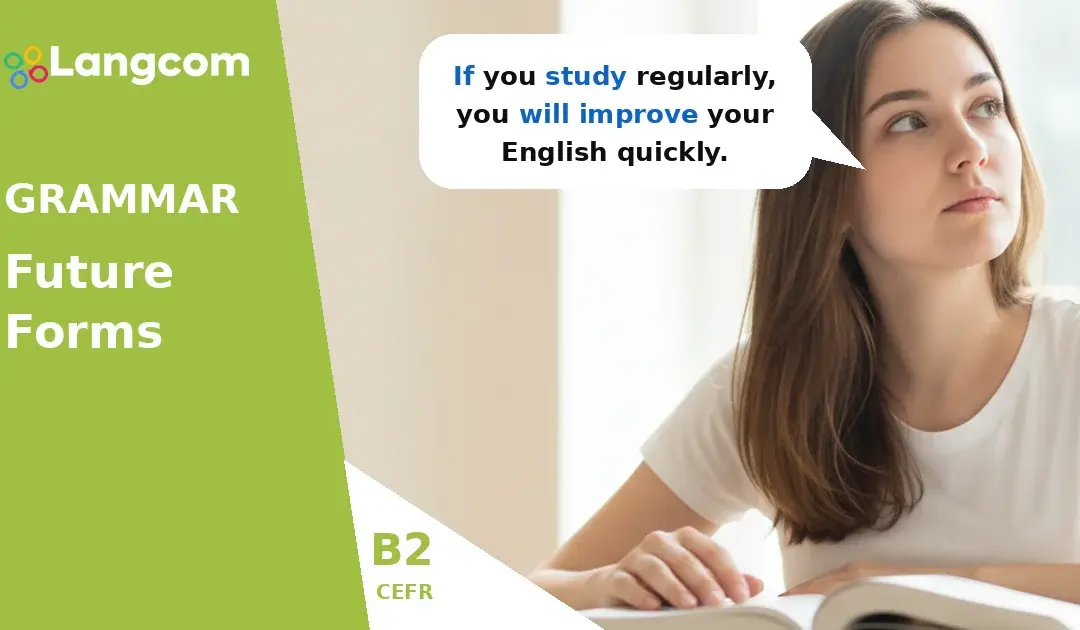
von Raúl | Sep. 11, 2026 | B2 Upper Intermediate Englisch
Future time clauses and conditionals help you talk about future events, plans, and possibilities in English by linking a condition or time to a future action. The most important rule is to use a present simple verb in the clause that starts with words like if, when,...
