von Raúl | 4. August 2026 | A2 Key (KET)
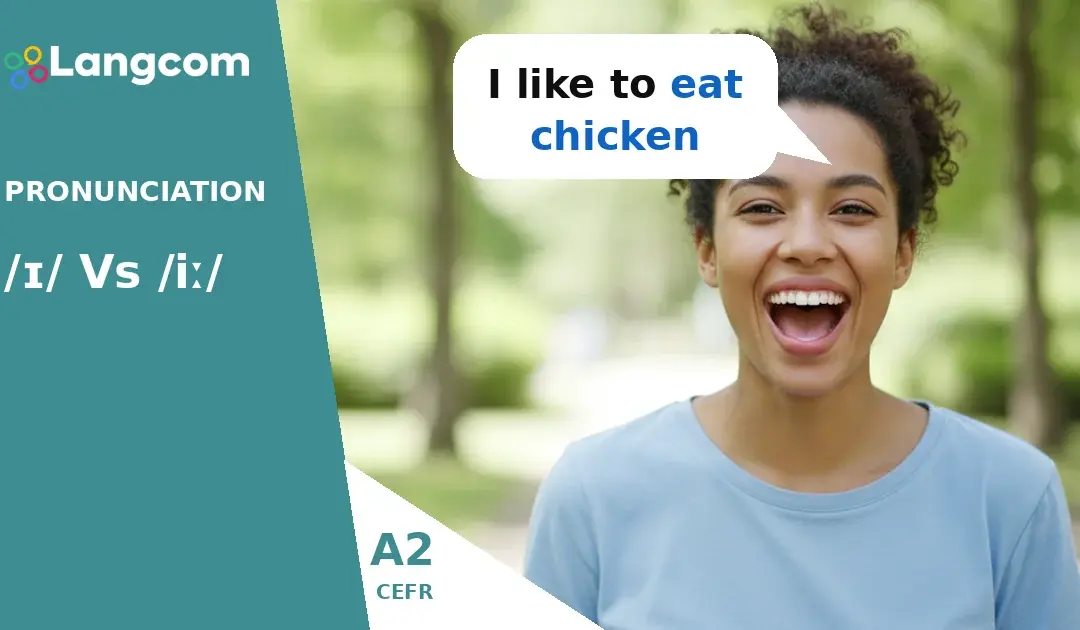
Die englischen Laute /ɪ/ (kurzes ‘i’) und /iː/ (langes ‘ee’) unterscheiden sich voneinander und sind für eine klare Kommunikation wichtig. Der Laut /ɪ/ ist kurz und entspannt, wie das ‘i’ in „chicken“ oder „sit“. Der Mund ist dabei leicht geöffnet, und die Zunge ist entspannt...
von Raúl | 4. August 2026 | A2 Key (KET)
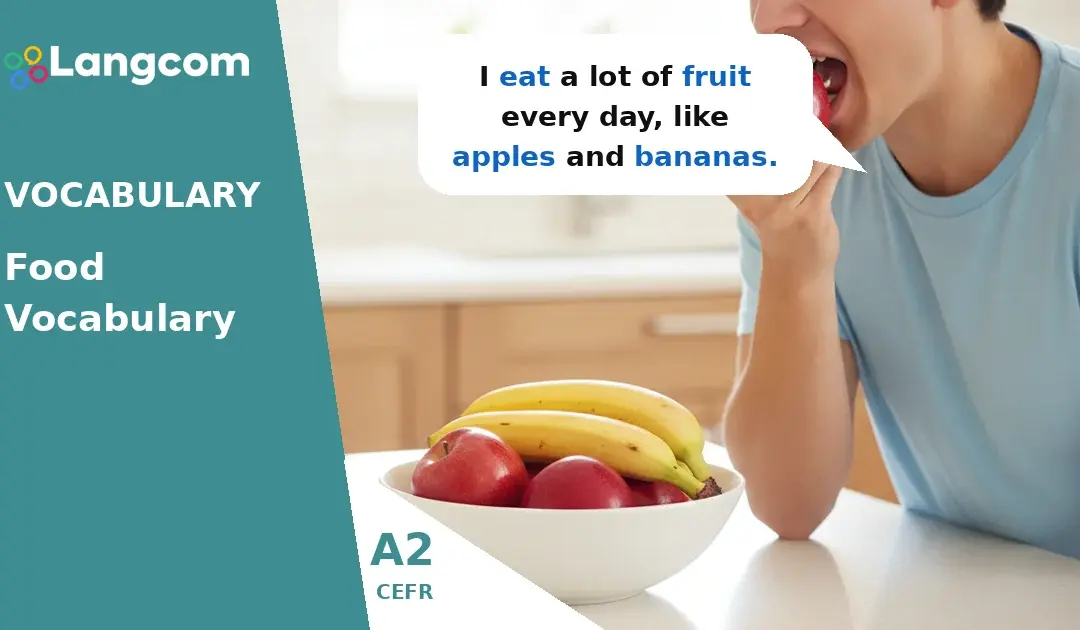
Das Verständnis der Lebensmittelgruppen hilft dir dabei, auf Englisch über deine Ernährung zu sprechen, Lebensmittel einzukaufen und dich mit gesunder Ernährung auseinanderzusetzen. Diese Gruppen fassen verschiedene Arten von Lebensmitteln zusammen, wie Obst, Gemüse, Milchprodukte und Fleisch. Das Erlernen dieser Begriffe ist wichtig für den Alltag...
von Raúl | 4. August 2026 | B1 Englisch für Fortgeschrittene
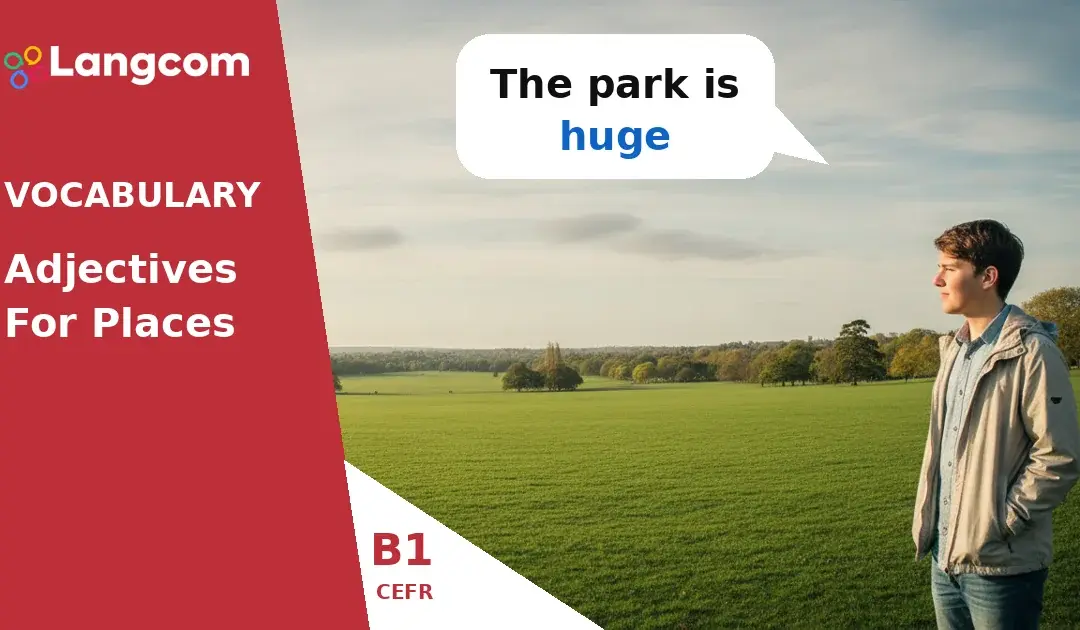
Adjectives for places are words that describe nouns like cities, buildings, parks, and rooms, making your English descriptions much richer and more precise. They tell us about a place’s size, appearance, atmosphere, age, and more. For example, instead of just...

von Raúl | 4. August 2026 | B1 Englisch für Fortgeschrittene
Will is used for spontaneous decisions, offers, promises, and requests about the future, while shall is primarily used in questions to make offers or suggestions, especially with I and we.We often use will when we decide something at the moment of speaking. For...
von Raúl | 4. August 2026 | B1 Englisch für Fortgeschrittene
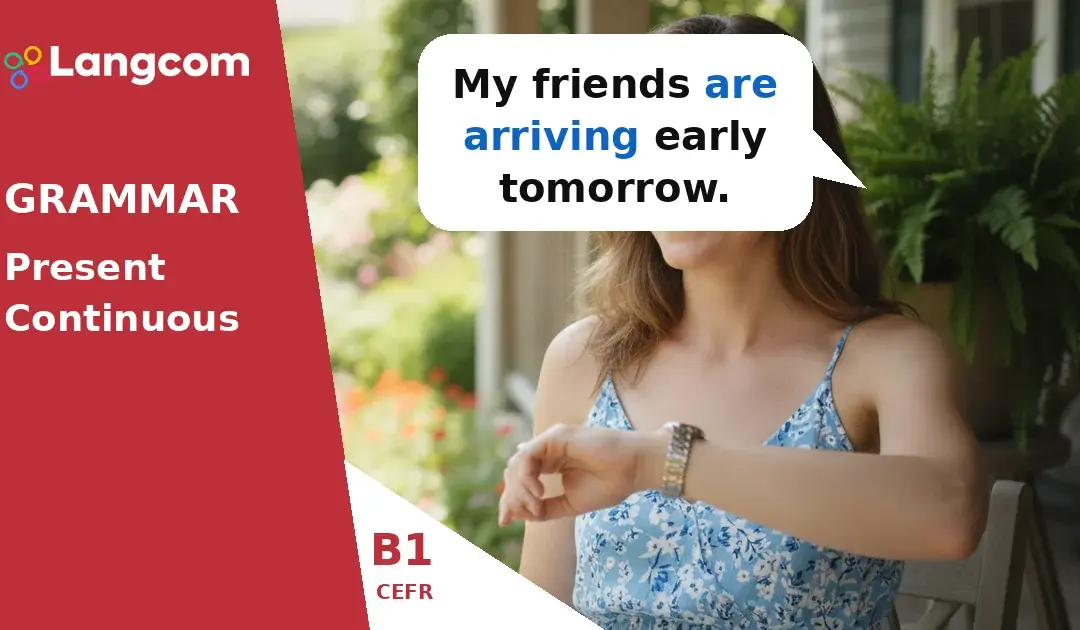
In B1 English, we use both the Present Continuous and be going to to talk about the future, but they have slightly different uses. We use the Present Continuous for fixed arrangements – things you have already planned, agreed, and often booked with other people. Think...
