
بواسطة راؤول | سبتمبر 26, 2026 | B1 Preliminary (PET)
Knowing the names of buildings and places is **essential for describing your city and understanding daily conversations in English.** This vocabulary helps you talk about where you live, give directions, and understand information about local services. For example,...

بواسطة راؤول | سبتمبر 26, 2026 | B1 Preliminary (PET)
Adverbs of degree help us describe how much difference there is when we compare things, people, or actions. These words go before comparative adjectives or adverbs, or they form special structures like as…as. For example, you can say My new phone is a little...
بواسطة راؤول | سبتمبر 26, 2026 | B1 Preliminary (PET)
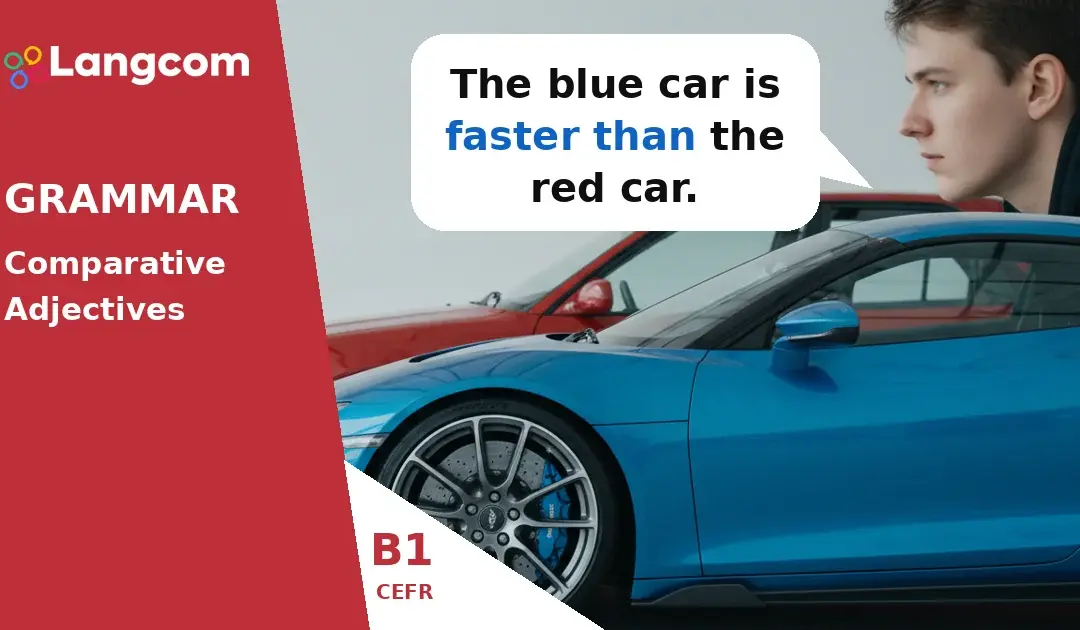
Comparative and superlative adjectives help you compare people, places, or things in English. You use comparative adjectives to show a difference between two items, like My car is faster than yours. They usually end in -er for short adjectives (e.g., taller) or use...

بواسطة راؤول | سبتمبر 26, 2026 | B1 Preliminary (PET)
The main difference is that travel is usually a verb meaning to go from one place to another, or an uncountable noun for the general activity, while journey and trip are both countable nouns describing specific movements. A journey focuses on the act of moving from...
بواسطة راؤول | سبتمبر 26, 2026 | B1 Preliminary (PET)
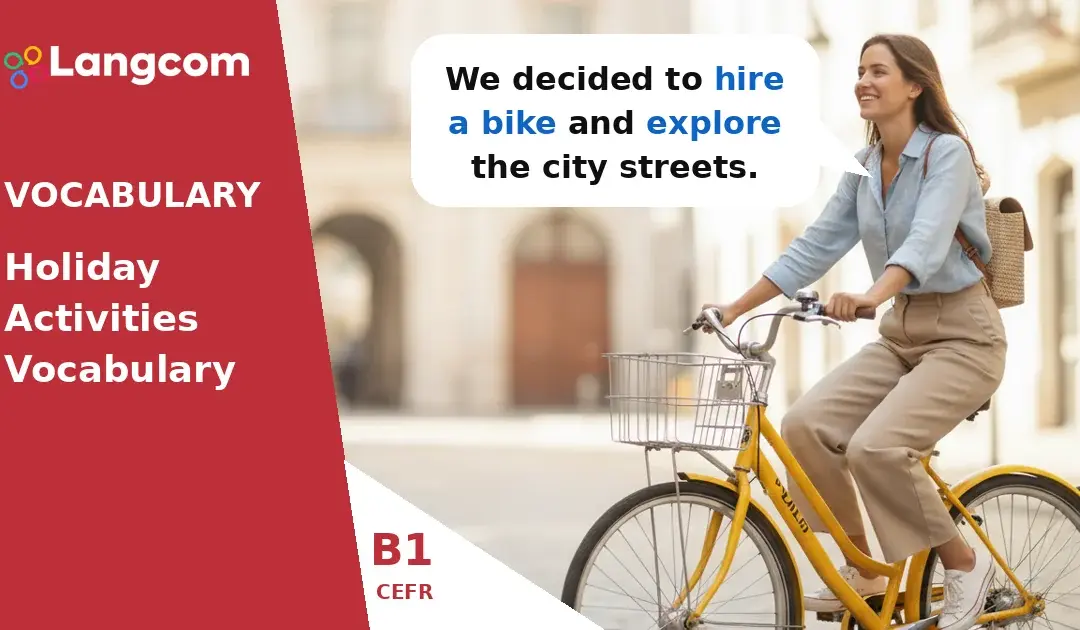
Describing your holiday activities in English is easy when you know the right vocabulary! At B1 level, you can talk about many different things you do on a trip, from relaxing on the beach to exploring new cities. This vocabulary helps you share your travel...

بواسطة راؤول | سبتمبر 26, 2026 | B1 Preliminary (PET)
To talk about hobbies and free time activities in English, you often use the verbs do, play, or go, depending on the type of activity. For example, you play games like chess, go with activities ending in -ing like cycling or camping, and do for general activities or...
