بواسطة راؤول | أغسطس 5, 2026 | A1: اللغة الإنجليزية للمبتدئين
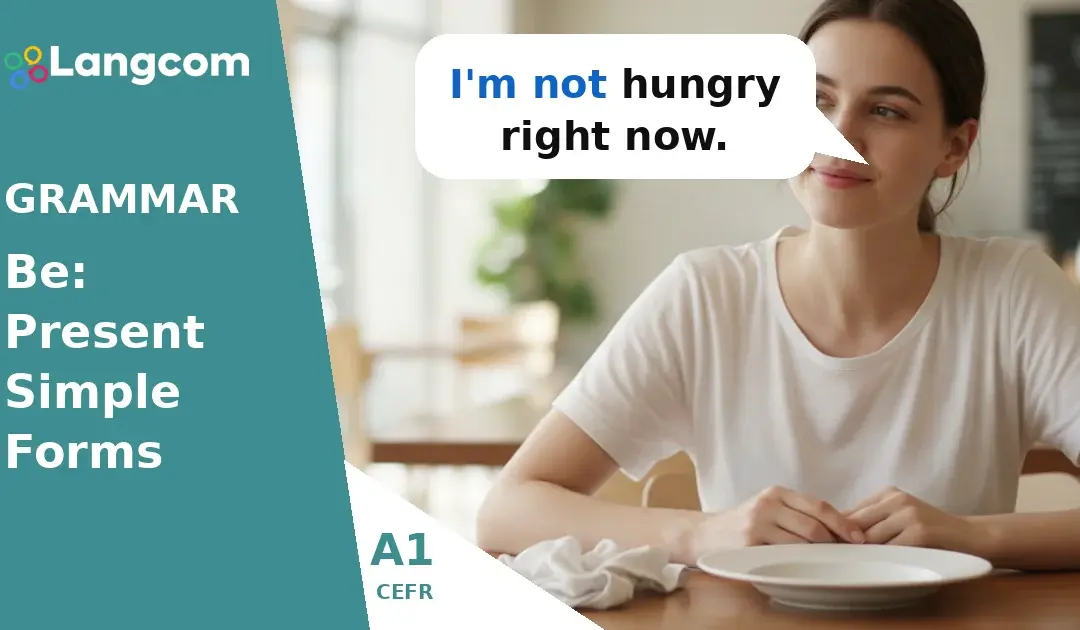
To make ‘be’ negative for ‘I,’ ‘you,’ and ‘we,’ you add not after the verb. This is a basic rule for A1 English. For ‘I,’ we say I am not or the short form I’m not. For ‘you’ (singular or...
بواسطة راؤول | 3 أغسطس 2026 | A1: اللغة الإنجليزية للمبتدئين
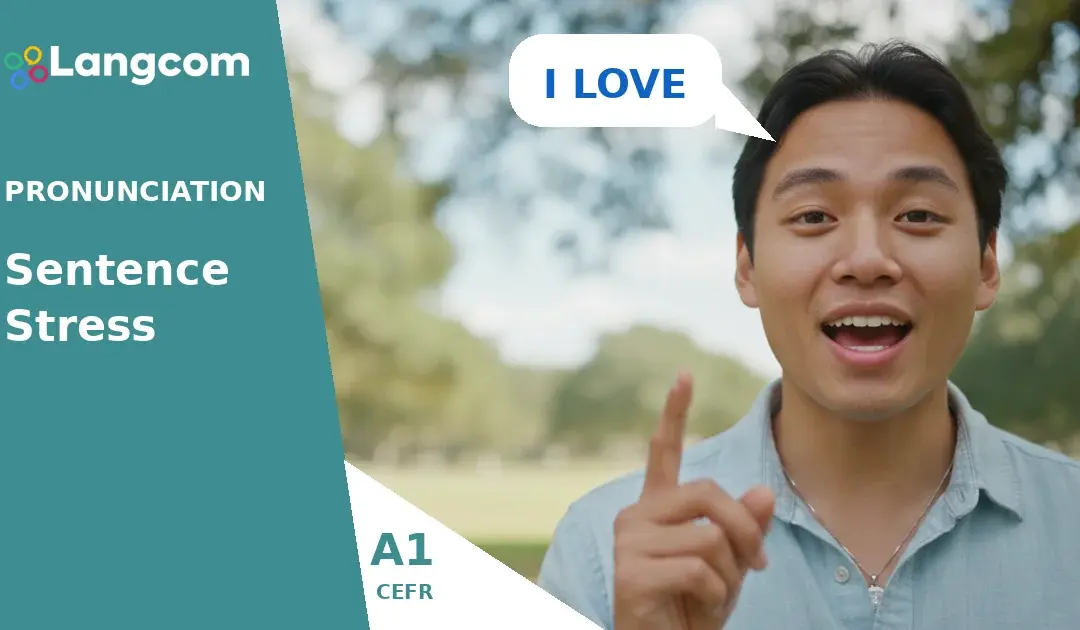
Sentence stress is when you say certain words in a sentence louder and longer than others. This makes your English sound more natural and helps people understand your message clearly. In English, we usually stress the “important” words, which are called...
بواسطة راؤول | 3 أغسطس 2026 | A1: اللغة الإنجليزية للمبتدئين
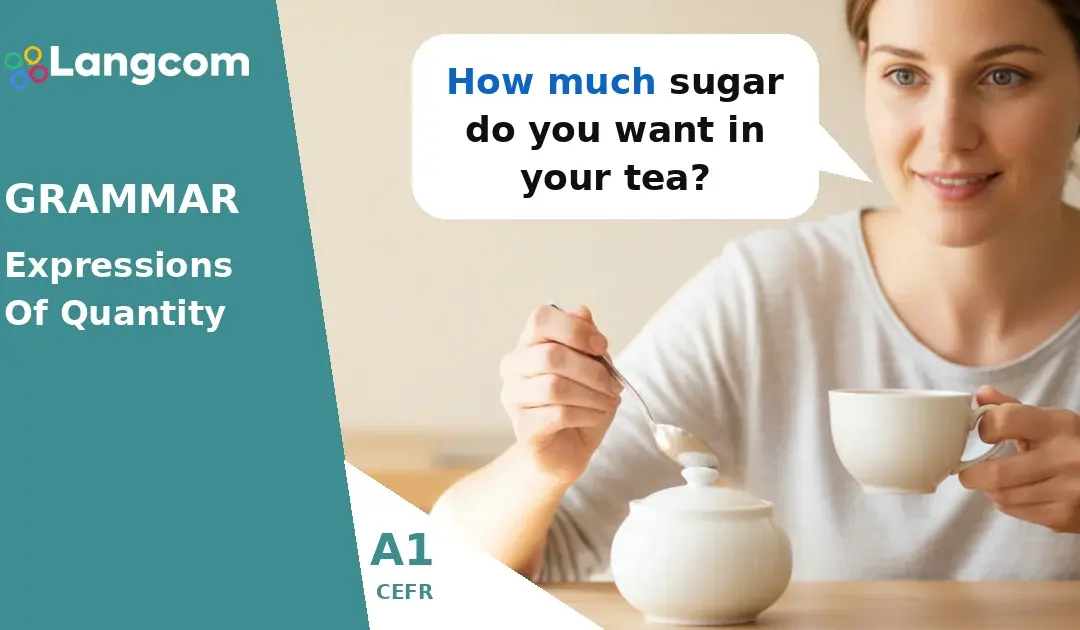
To talk about quantities in English, you need to know if a noun is countable or uncountable. We use much with uncountable nouns (like water, sugar, information). We use many with countable nouns (like apples, friends, books). A lot of is special because you can use it...
بواسطة راؤول | 3 أغسطس 2026 | A1: اللغة الإنجليزية للمبتدئين
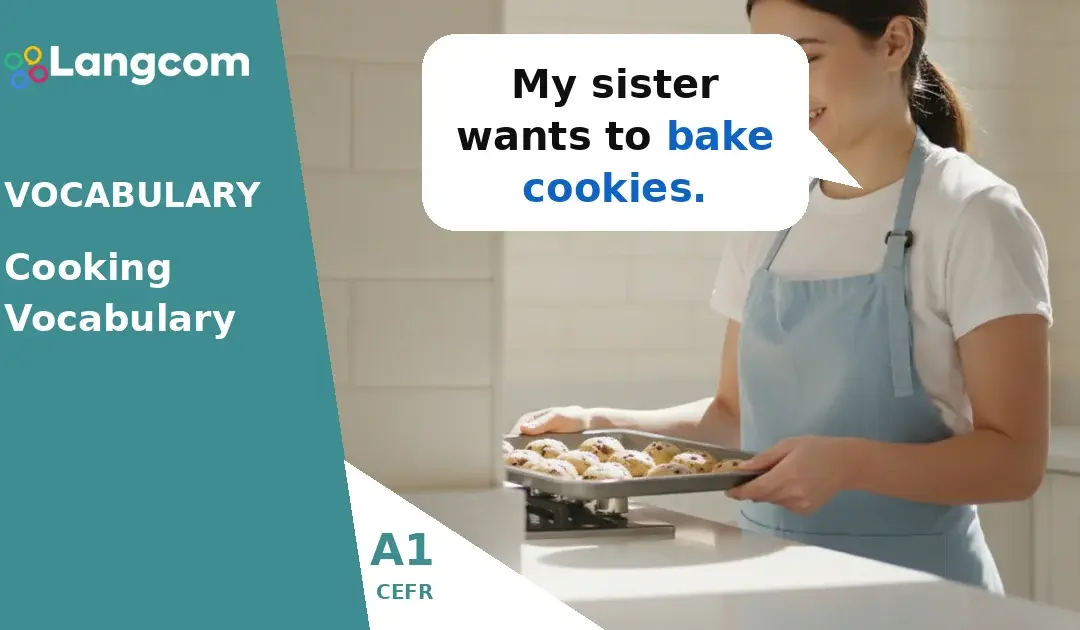
Learning basic cooking verbs helps you talk about food and recipes in English. These verbs describe different ways to prepare food. For example, you use bake for bread, boil for water, fry for eggs, grill for chicken, and roast for meat. Each verb tells you a specific...

بواسطة راؤول | 2 أغسطس 2026 | A1: اللغة الإنجليزية للمبتدئين
‘A’, ‘An’, ‘Some’, and ‘Any’ are small but very important words in English. They tell us about the quantity of nouns. We use a and an for singular countable nouns when we talk about one thing. For example, a book or an...
بواسطة راؤول | 2 أغسطس 2026 | A1: اللغة الإنجليزية للمبتدئين
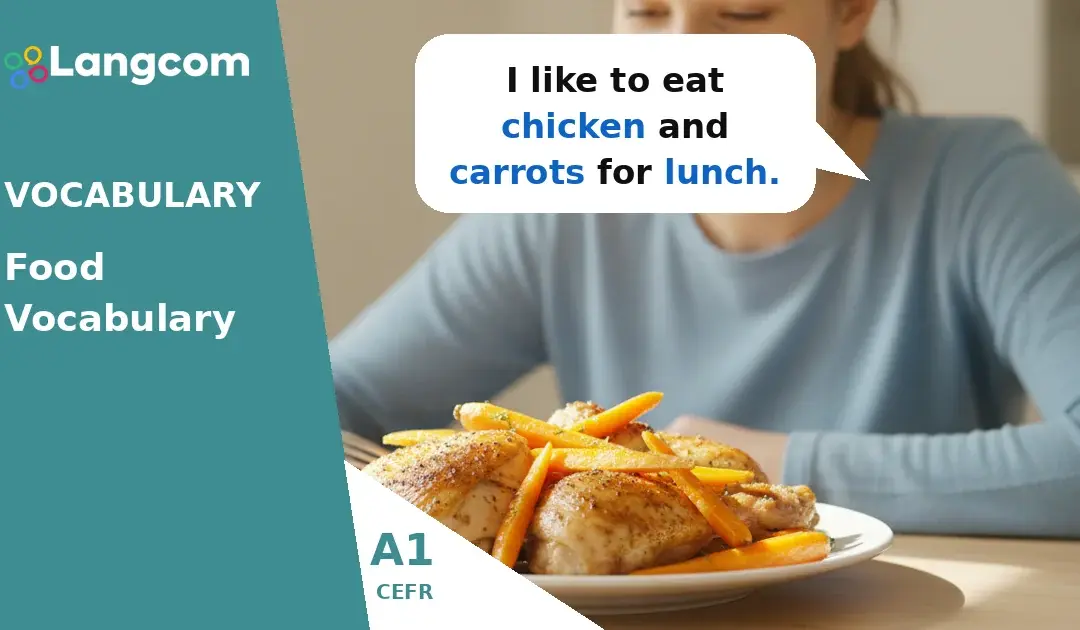
Learning basic food vocabulary is **very important for A1 English learners.** It helps you talk about what you like to eat, order food in a restaurant, or buy groceries. In English, we have many words for different types of food, including meats like chicken and...
