

为什么在C1水平上,精准的情感词汇如此重要?
在C1级别,你的英语应体现出对人类情感的深刻理解。运用精准的词汇有助于你有效表达复杂的思想和情感。.
- 它能让你更准确地描述人们的反应。.
- 你可以表达情绪和性格上的细微差异。.
- 这种精准性能让你的英语口语和书面语更显精致、更自然。.
描述沉着与积极品质
有些词用来形容那些善于应对各种情况或展现出积极品格特质的人。.
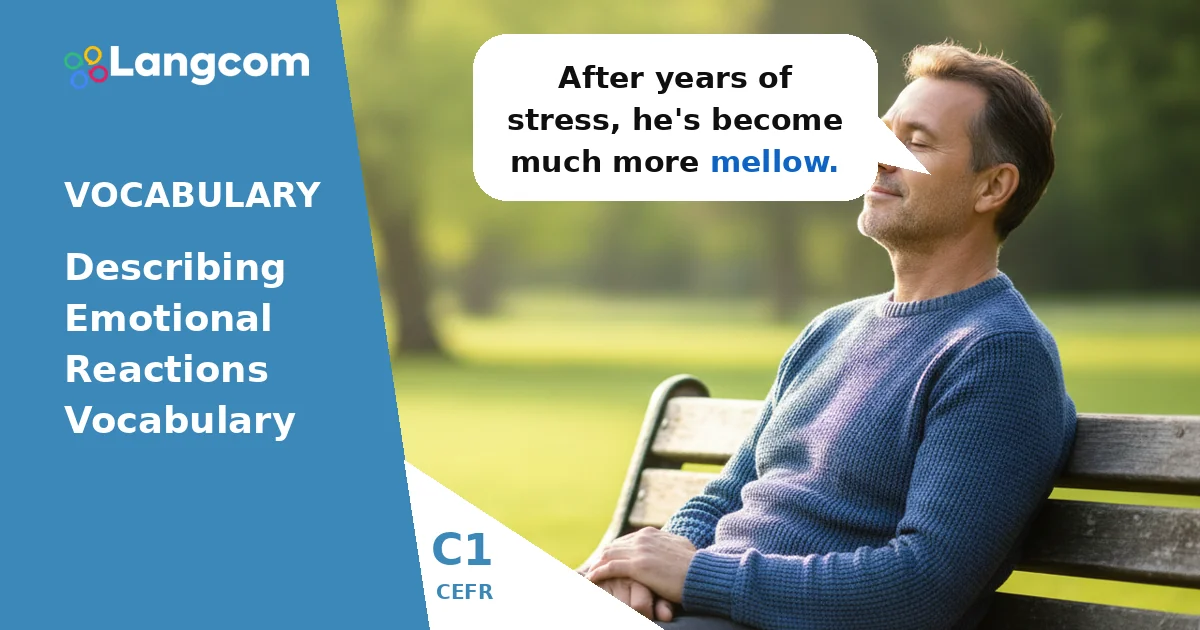
- Mellow: 指性格沉着、从容、不易动怒的人,这种特质往往随着年龄的增长而愈发明显。.
- 例如 After years of stress, he's become much more mellow.
- Composed: 指即使在困难的情况下,也能保持冷静并掌控自己的情绪。.
- 例如 Despite the bad news, she remained perfectly composed.
- Gracious: 指彬彬有礼、友善和和蔼可亲,尤其是对他人如此,即使自己身居高位或遭受不公待遇时也是如此。.
- 例如 The losing team was gracious in defeat, congratulating their opponents.
- Forgiving: 指那些愿意且乐于原谅他人过错或冒犯的人。.
- 例如 She has a very forgiving nature and rarely holds a grudge.
关于解决问题与成功的箴言
这些话突显了一个人克服挑战并取得佳绩的能力。.
- Resourceful: 指善于找到快速而巧妙的方法来克服困难的人。他们能够发挥创造力来解决问题。.
- 例如 When the power went out, she was resourceful and found candles and a battery-powered radio.
- Victorious: 指取得胜利或获得成功。它蕴含着一种胜利的喜悦。.
- 例如 The team felt victorious after winning the championship game.
描述强烈或消极的情绪反应
这些术语描述的是一些通常被视为消极的反应,表现为缺乏自控力或怀有恶意。.
- Flustered: 指感到焦躁、困惑或紧张,通常是因为赶时间或承受压力。.
- 例如 He got flustered when the interviewer asked a difficult question.
- Hysterical: 指情绪失控的人,通常表现为极度的恐惧、愤怒或兴奋。这种状态可能伴随着无法自控地哭泣或大笑。.
- 例如 She became hysterical when she realized her passport was missing.
- Melodramatic: 指那些情绪反应过度或表现夸张的人,往往会把事情说得比实际更严重。.
- 例如 His reaction to a small scratch was completely melodramatic.
- Spiteful: 指表现出想要伤害、惹恼或羞辱某人的意图,通常是因为生气或嫉妒。.
- 例如 She made a spiteful comment about his new haircut.
- Defensive: 指那些一遇到批评或攻击就急于为自己辩护的人,通常通过争辩或为自己的行为辩解来做到这一点。.
- 例如 When I offered advice, he immediately became defensive.
理解"无害"
Harmless 这是一个有用的词,用来形容某事物不会造成或不太可能造成任何损害、伤害或冒犯。它常用于安抚他人。.
- 例如 Don't worry, the spider is completely harmless.
- 例如 It was just a harmless joke, nobody was offended.
如何为情绪反应选择恰当的词语
选择最合适的词,要视具体语境和情感的强度而定。.
- 考虑情绪的强度:是轻微的(mellow) 或极端(hysterical)?
- 试着揣摩对方的意图:他们是不是想表现得友善(gracious) 或造成伤害 (spiteful)?
- 评估情况:这是否是一个解决问题的场景(resourceful) 或是胜利的时刻 (victorious)?
通过练习使用这些词汇,将有助于你掌握更细腻、更丰富的词汇,从而更精准地描述情感状态。.
| Word | 内涵 | 核心含义 |
|---|---|---|
| Mellow | Positive | Calm, relaxed, easygoing |
| Composed | Positive | Calm and in control, especially under pressure |
| Forgiving | Positive | Willing to pardon mistakes or offenses |
| Gracious | Positive | Polite, kind, and pleasant |
| Resourceful | Positive | Good at finding solutions to difficulties |
| Victorious | Positive | Having won a victory; triumphant |
| Harmless | Neutral/Positive | Not causing damage, injury, or offense |
| Defensive | Negative | Quick to protect oneself from criticism |
| Flustered | Negative | Agitated, confused, or nervous |
| Hysterical | Negative | Uncontrollably emotional (fear, anger, excitement) |
| Melodramatic | Negative | Exaggeratedly emotional or dramatic |
| Spiteful | Negative | Desiring to harm, annoy, or humiliate |
示例
- After years of stress, he's become much more mellow.
- Despite the bad news, she remained perfectly composed.
- The losing team was gracious in defeat, congratulating their opponents.
- She has a very forgiving nature and rarely holds a grudge.
- When the power went out, she was resourceful and found candles and a battery-powered radio.
- The team felt victorious after winning the championship game.
- He got flustered when the interviewer asked a difficult question.
- She became hysterical when she realized her passport was missing.
- His reaction to a small scratch was completely melodramatic.
- She made a spiteful comment about his new haircut.
- When I offered advice, he immediately became defensive.
- Don't worry, the spider is completely harmless.
- It was just a harmless joke, nobody was offended.
- Even after the argument, she was gracious enough to offer help.
- He's a very mellow person, always calm and easygoing.
练习
西班牙语母语者常犯的错误
西班牙语使用者有时会使用一些词语,这些词语对于想要表达的情感反应来说要么过于强烈,要么过于弱淡。请注意以下这些常见错误:
- Hysterical vs. Very Upset: 在西班牙语中,"histérico/a"有时可能用来形容一个只是非常难过或哭得很厉害的人。在英语中,, hysterical 指一种无法控制的、极端的情绪爆发,通常伴随着非理性的行为。.
- 错误: She was hysterical because she missed the bus. (除非她真的失控了。)
- 右: She was very upset because she missed the bus.
- 右: She became hysterical when she saw the house on fire.
- Melodramatic vs. Dramatic: 虽然西班牙语中的"dramático/a"可以是中性的,, melodramatic 在英语中,这几乎总是暗示一种夸张、过火的情感反应,这种反应既不真实,也没有必要。.
- 错误: Her speech was very melodramatic. (如果你指的是“强大而有效”的话。)
- 右: Her speech was very dramatic.
- 右: He was being melodramatic about a small cut on his finger.
- 令人困惑 Spiteful 与 Angry: Spiteful 比单纯的“生气”更具体。它指的是因为生气或嫉妒,而故意想要伤害或惹恼某人。.
- 错误: He was spiteful about losing the game. (除非他试图伤害获胜者。)
- 右: He was angry about losing the game.
- 右: He left a spiteful note on her car after their argument.
常见问题
“温和”和“沉着”有什么区别?
Mellow 描述了一种普遍的人格特质,即沉着、放松且随和,这种特质通常随着年龄的增长而逐渐形成。例如,, My grandfather is a very mellow man. Composed 指在某种特定且往往棘手的处境中,保持冷静并能够控制自己情绪的状态。例如,, She remained composed during the crisis.
防御性能算是一种积极的特质吗?
一般来说,, defensive 这个词带有负面含义,暗示某人过于急于为自己辩解或对批评做出反应。不过,在非常具体的语境下,比如"一种防御策略",它可以是中性的。当用来描述一个人的情绪反应时,它几乎总是意味着此人对自认为的攻击过于敏感。.
我该怎么记住“flustered”和“hysterical”之间的区别呢?
Flustered 是一种较轻微的困惑或紧张状态,通常由压力或匆忙引起。试想有人因为……而把文件掉在地上。 flustered. Hysterical 是一种更为极端、无法控制的情绪爆发,比如放声大哭或狂笑,通常是由震惊或极度恐惧引起的。试想一下,车祸后有人尖叫哭泣——那就是 hysterical.
这些词在C1级别的日常对话中常用吗?
是的,这些词汇都属于C1级别的高级词汇,用于描述人物及其反应。无论在正式还是非正式场合,使用这些词汇都能让你的描述更加精准、富有深度。掌握这些词汇,将使你的英语表达听起来更加自然、更显高水平。.

0 条评论