作者 劳尔 | 9 月 6, 2026 | A2 Key (KET)
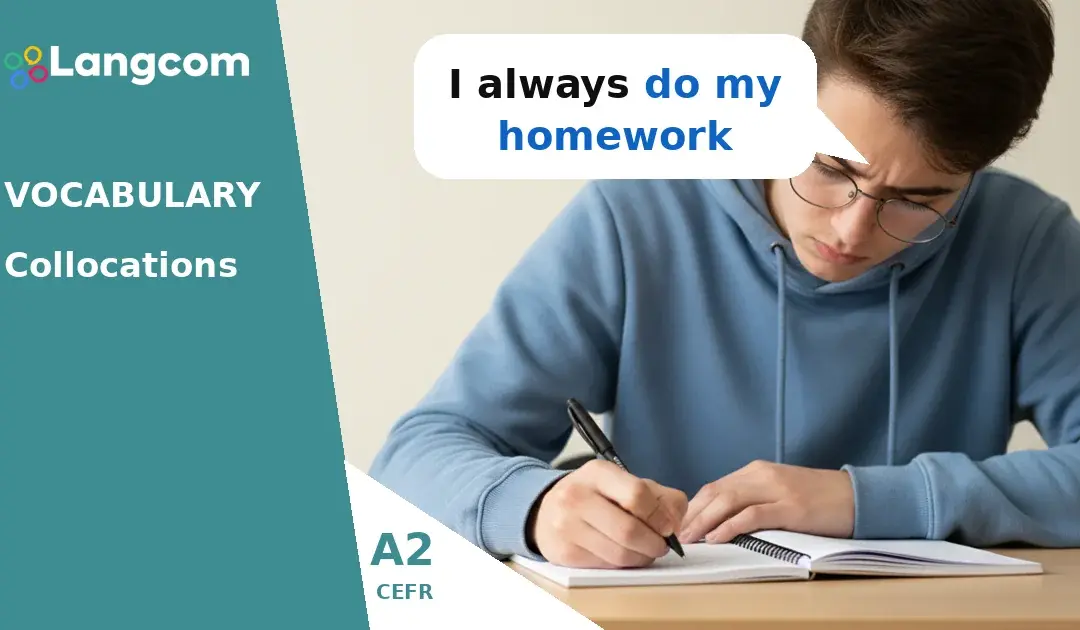
Collocations are words that naturally go together in English, forming common and expected pairs or groups. Think of them as word partnerships that sound “right” to native speakers. For example, we always make a mistake, we never do a mistake. Similarly, we...
作者 劳尔 | 9 月 6, 2026 | A2 Key (KET)
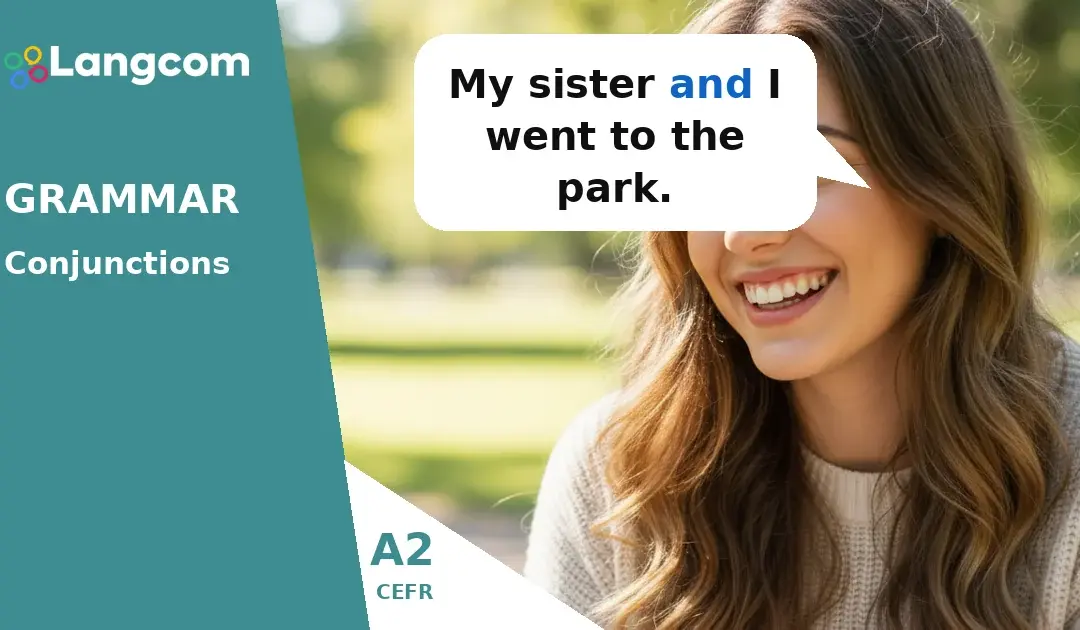
The word and is a very common conjunction in English that connects similar ideas, words, or phrases. It acts like a bridge, joining two or more items together to create a smooth, natural flow in your sentences. You use and to link nouns, for example, I like coffee and...
作者 劳尔 | 9 月 6, 2026 | A2 Key (KET)
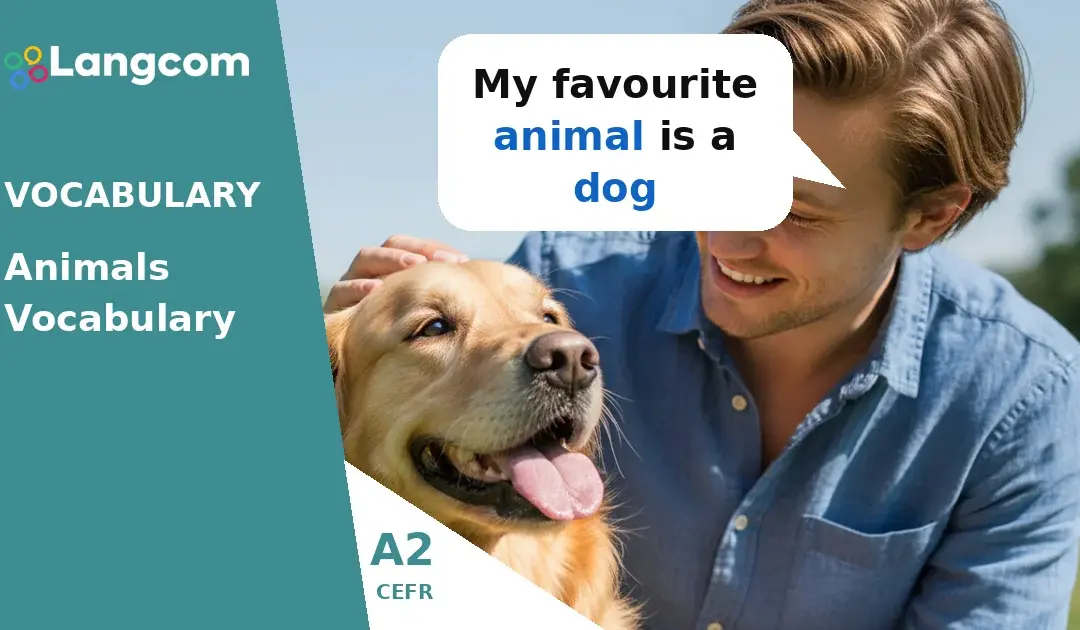
Learning animal names in English is important for A2 students. Knowing common animal vocabulary helps you talk about pets, nature, and even understand simple stories. For the A2 Key (KET) exam, you might see questions about animals in reading or listening sections....
作者 劳尔 | 9 月 6, 2026 | C1 Advanced 英语
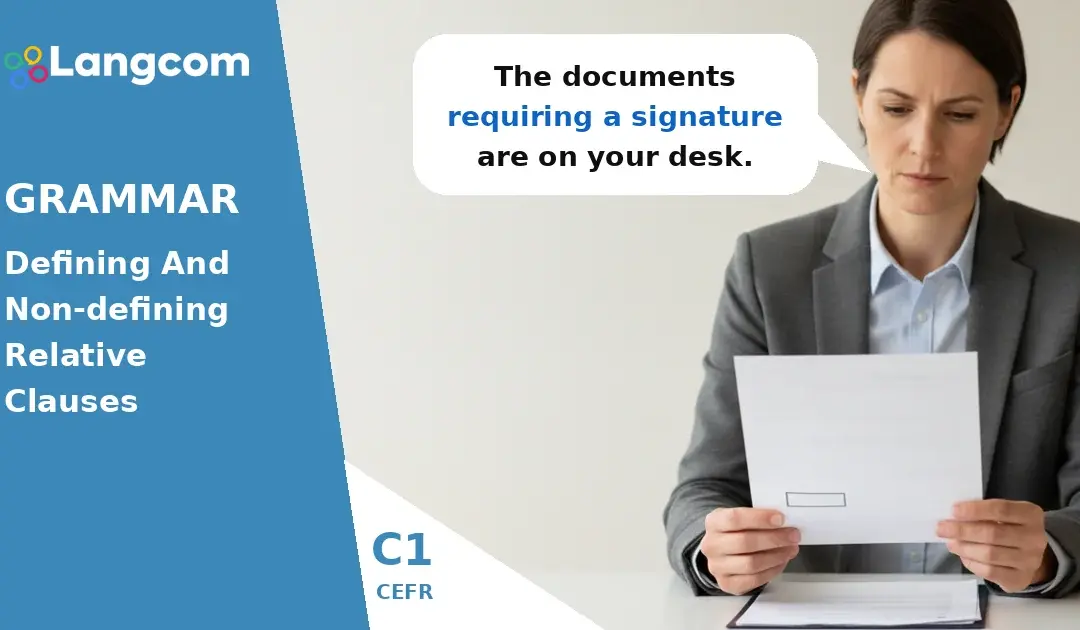
Reduced relative clauses make your English more concise and sophisticated by shortening relative clauses. They are a common feature of advanced English, especially in formal writing and academic speech. This grammatical structure allows you to condense information,...
作者 劳尔 | 9 月 6, 2026 | C1 Advanced 英语
To discuss how things affect each other in English at a C1 level, you need a rich vocabulary to describe causes, effects, and the connections between them. Words like impact, implications, source, force, consequence, influence, trigger, stem from, result in, and...
