作者 劳尔 | 9 月 25, 2026 | A1 儿童英语入门
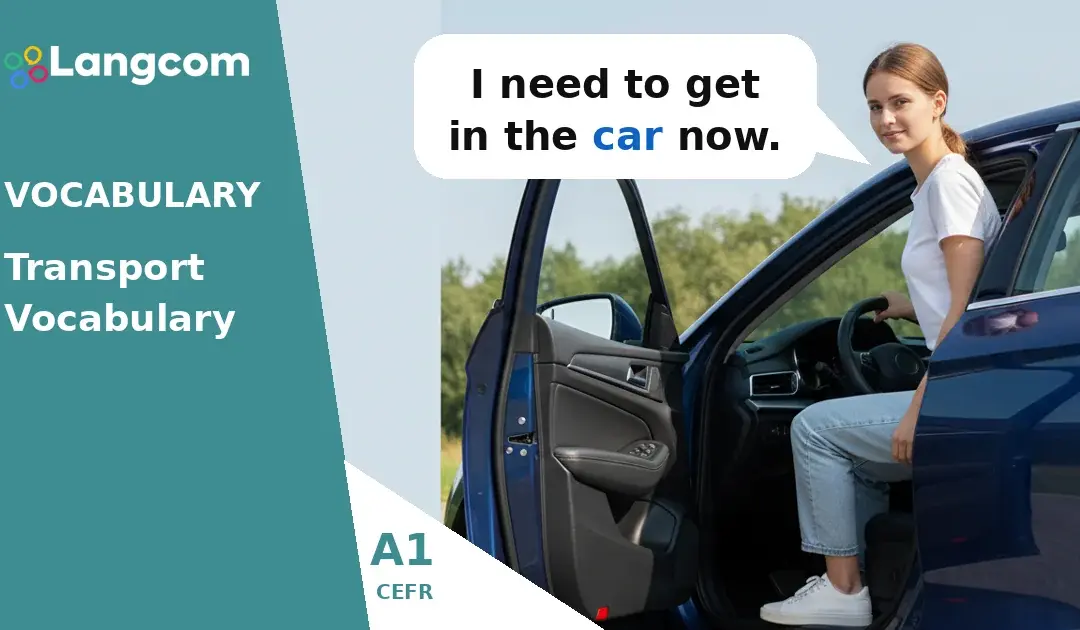
Transport verbs help you talk about how you travel, enter, and exit different vehicles. For small vehicles like cars and taxis, we use get in and get out of. For larger public transport like buses, trains, and planes, we use get on and get off. When you want to take a...

作者 劳尔 | 9 月 25, 2026 | A1 儿童英语入门
Some-, any-, every-, and no- are important words in English that help us talk about quantities of people, things, or places. We combine them with -one (or -body), -thing, and -where to create words like someone, anything, everywhere, or nothing. These words tell us if...
作者 劳尔 | 9 月 25, 2026 | A1 儿童英语入门
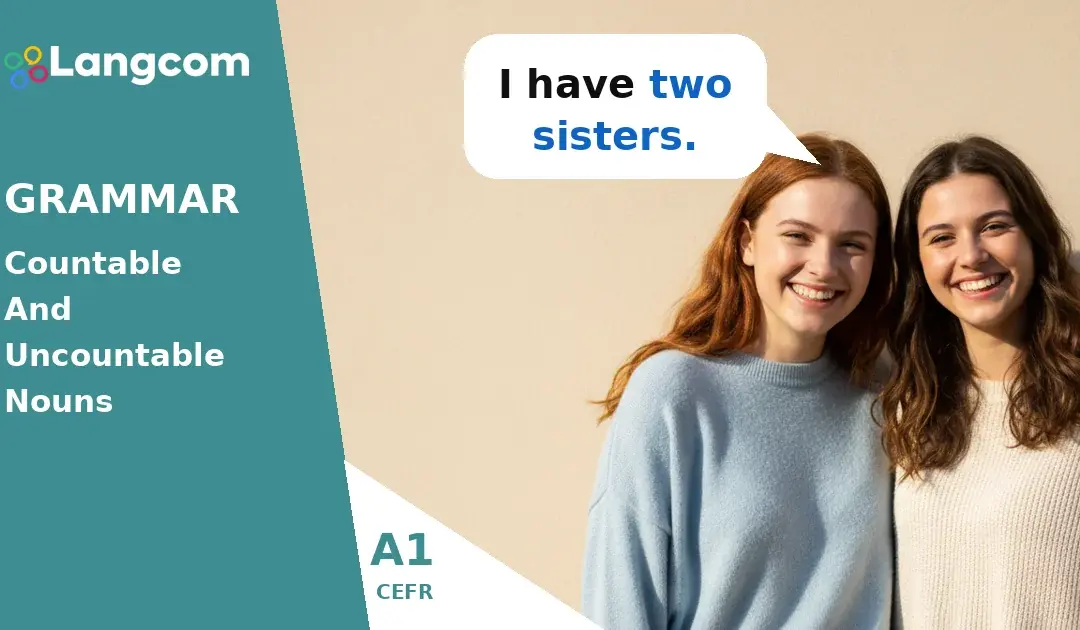
Countable nouns are things you can count individually, like one apple, two apples. Uncountable nouns are things you cannot count individually, such as water or information. Understanding this difference helps you use the correct words for quantity. For countable...

作者 劳尔 | 9 月 25, 2026 | A1 儿童英语入门
Adverbs of frequency tell us how often something happens. Words like always, usually, often, sometimes, and never help you describe your routines and habits in English. For example, you can say I always drink coffee in the morning or She never eats meat. These adverbs...

作者 劳尔 | 9 月 25, 2026 | A1 儿童英语入门
The Present Simple describes actions that happen regularly, often, or are general truths, like habits or facts. For example, I eat breakfast every morning. It tells us about things that are always true or happen many times. In contrast, the Present Continuous...
