
作者 劳尔 | 2026年9月16日 | B1中级英语
Learning the names of common buildings in English is essential for B1 learners to describe their surroundings, ask for directions, and understand everyday conversations. Knowing words like hospital, cinema, and train station helps you navigate cities and talk about...
作者 劳尔 | 2026年9月16日 | B1中级英语
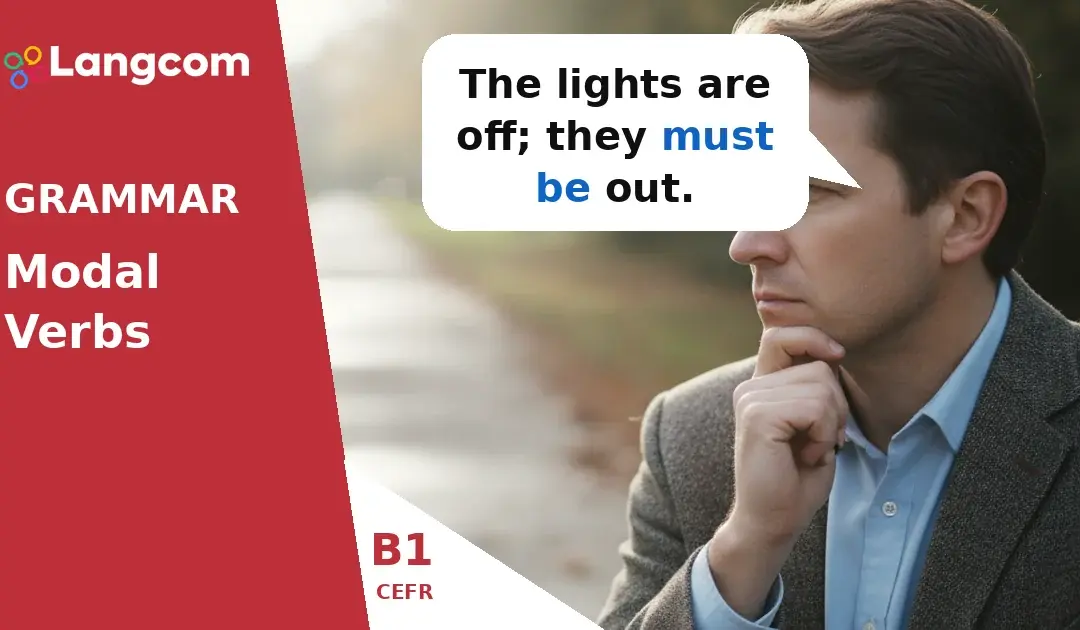
Modals of deduction help us make educated guesses or conclusions about situations when we are not 100% sure. They allow you to express how certain you are about something happening now or in the future. We use must when we are almost certain something is true, based...

作者 劳尔 | 2026年9月16日 | B2 First (FCE)
Phrases with at are common in English and express various meanings, from time and location to states and conditions. Understanding these fixed expressions is key for B2 learners to sound more natural and precise. Unlike prepositions used for simple location, phrases...

作者 劳尔 | 2026年9月16日 | B1中级英语
To sound interested in English, you need to use varied intonation. This means your voice goes up and down, changing its pitch. When you speak with varied intonation, you show emotion and engagement. Your listener understands that you are paying attention and care...

作者 劳尔 | 2026年9月16日 | B1中级英语
Comparatives and superlatives help us describe differences and extremes between people, places, things, or actions. We use comparatives to compare two items, showing which one has more or less of a quality. For example, “This car is faster than that one.”...
