作者 劳尔 | 9 月 17, 2026 | B2 First (FCE)
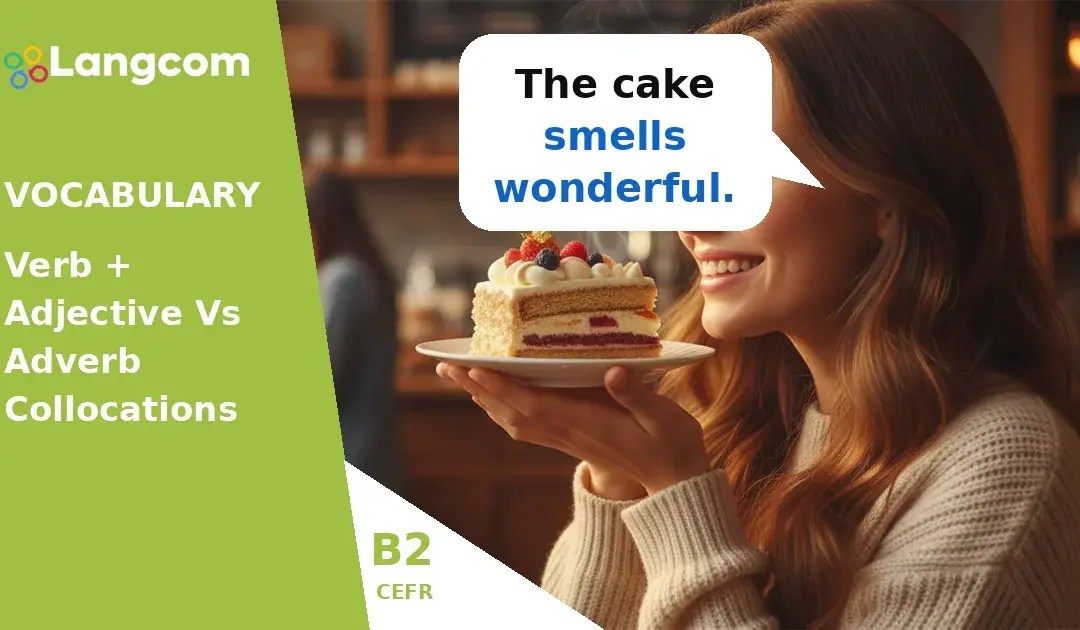
Adjectives describe nouns or pronouns, while adverbs describe verbs, adjectives, or other adverbs. However, a special group of verbs, known as ‘linking verbs,’ are always followed by an adjective, not an adverb. These include verbs like be, seem, become,...
作者 劳尔 | 9 月 17, 2026 | B2 First (FCE)
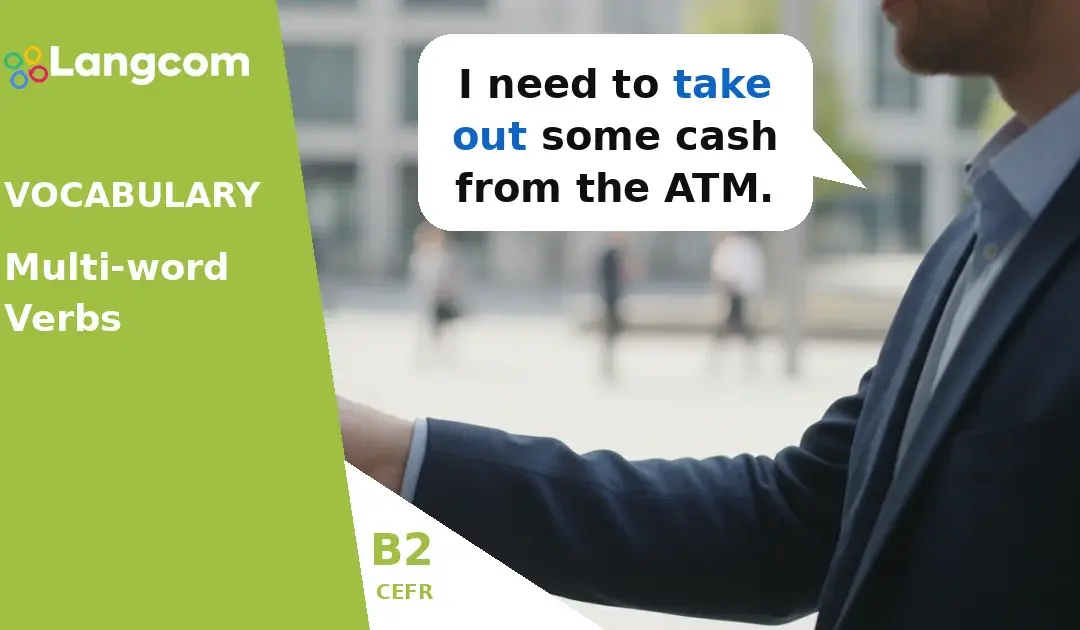
Understanding phrasal verbs and expressions with ‘take’ is key for B2 English learners. These multi-word verbs are common in everyday conversation and formal contexts, helping you sound more natural and precise. Unlike single verbs, phrasal verbs often have meanings...
作者 劳尔 | 9 月 17, 2026 | B2 First (FCE)
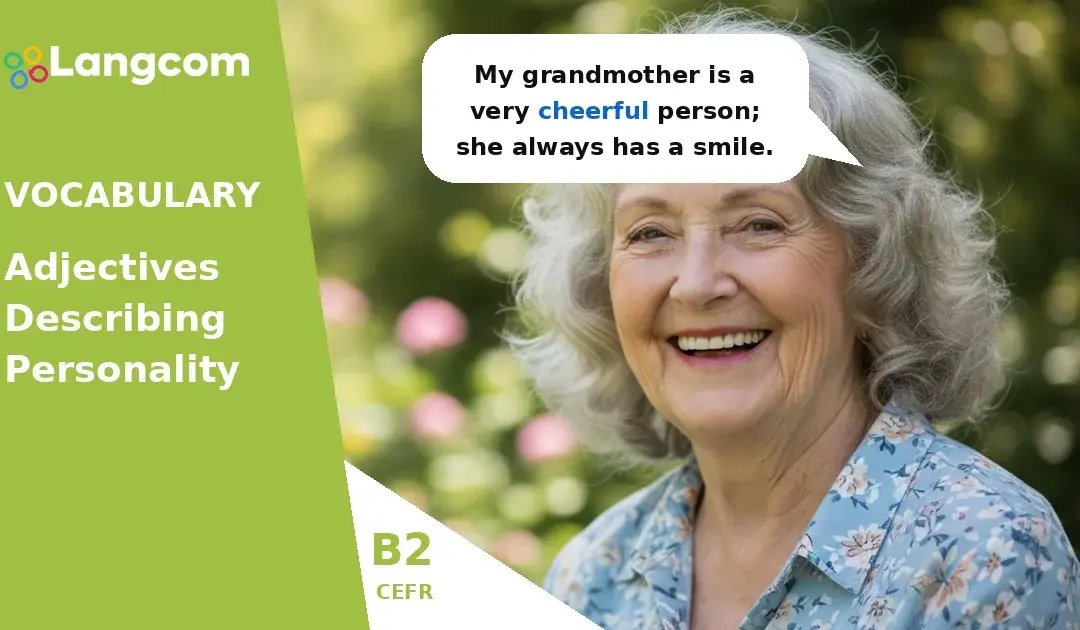
Learning adjectives to describe personality is essential for B2 English learners to express themselves clearly and accurately about people. These words help you talk about character traits, making your conversations and writing much richer. Some adjectives describe...
作者 劳尔 | 9 月 17, 2026 | B2 First (FCE)
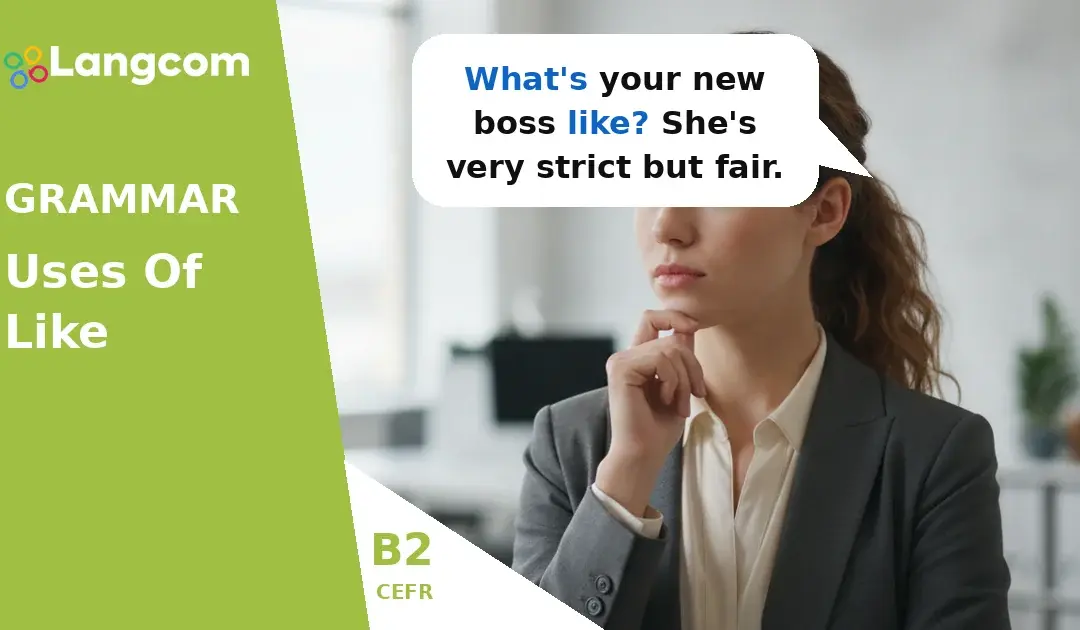
The word like has many uses in English, but two common questions often cause confusion: What is … like? and What does … like? The first asks for a general description of someone or something, including personality, qualities, or characteristics. The second...
作者 劳尔 | 9 月 17, 2026 | B2 First (FCE)
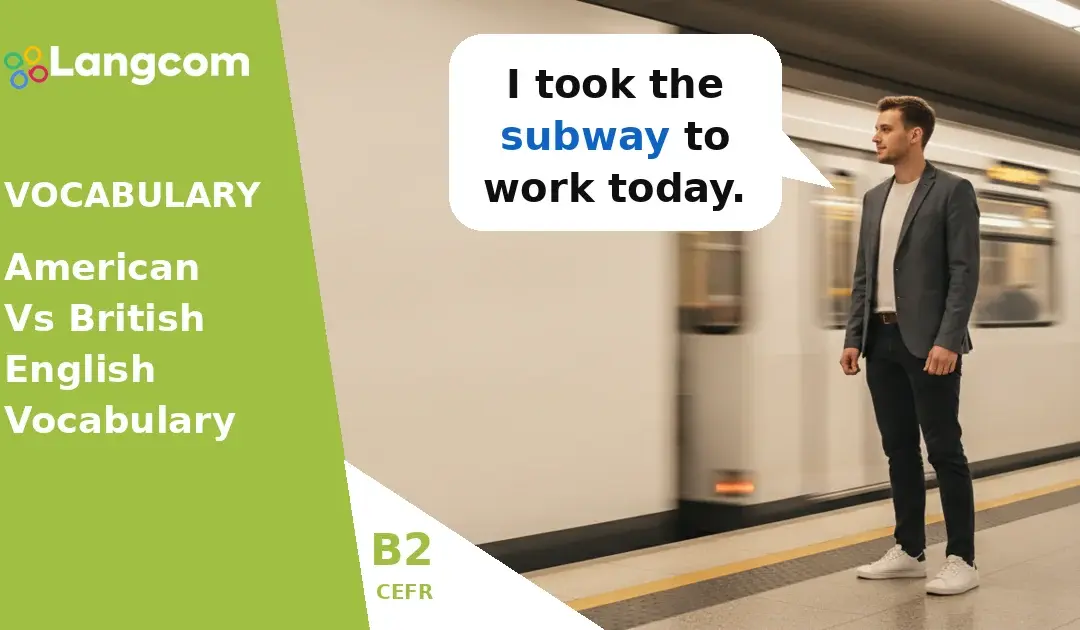
Understanding the differences between American English (AmE) and British English (BrE) vocabulary is essential for B2 learners to communicate clearly and avoid misunderstandings. While both are forms of English, many everyday words for objects, places, and actions are...
