作者 劳尔 | 7 月 26, 2026 | A2 Key (KET)
In English, you can talk about the future using will, the present continuous, or the present simple, but each has a different use. We use will for predictions about the future or for decisions we make right now. For example, I think it will rain tomorrow.We use the...
作者 劳尔 | 7 月 26, 2026 | A2 Key (KET)
Learning English words for food and drink is very important for everyday conversations, especially when talking about meals like lunch. A lunch box is a special container used to carry food, often to school or work. Knowing the names of common items you might find...
作者 劳尔 | 7 月 26, 2026 | A1 英语入门
Have got is a very common way to talk about possession, family, and characteristics in English. It means ‘to possess’ or ‘to own’. You use it to say what you have, what someone else has, or to describe people and things. For example, I’ve...
作者 劳尔 | 7 月 26, 2026 | A1 英语入门
Learning technology vocabulary helps you talk about the devices you use every day. Knowing these words is very useful for A1 English learners. You can describe your phone, your computer, or the device you use to read books. This vocabulary helps you understand...
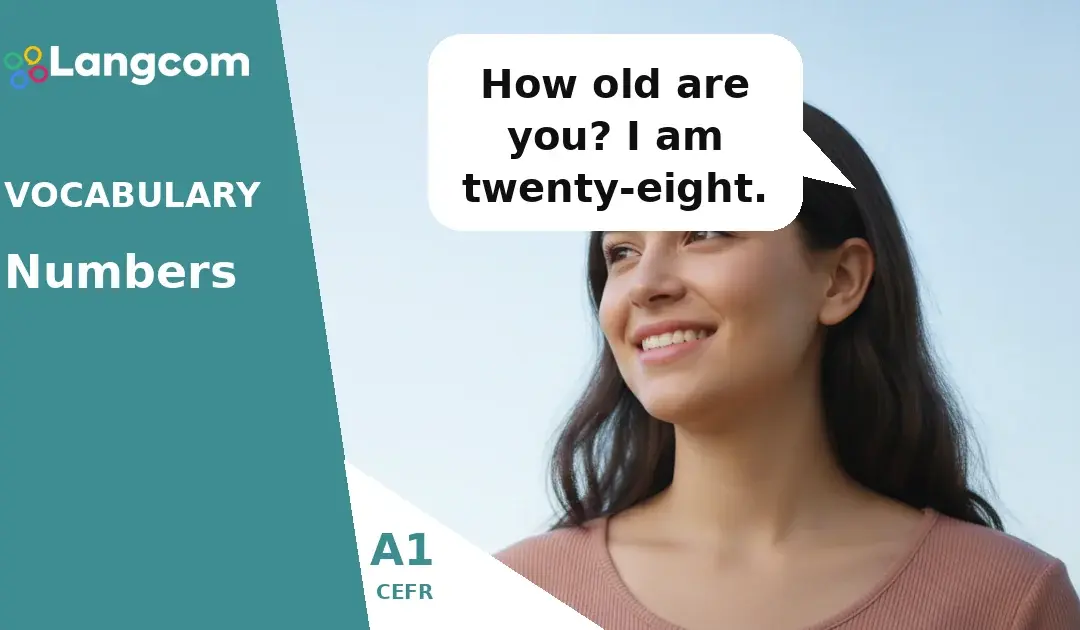
作者 劳尔 | 2026年7月25日 | A1 英语入门
To talk about age in English, you always use the verb to be, not to have. This is a common mistake for Spanish speakers. For example, you say I am 30 years old, not I have 30 years old. To ask someone’s age, use the question How old…?, like How old are...
