作者 劳尔 | 9 月 6, 2026 | A1 英语入门
What’s and It’s are short forms, called ‘contractions’, of What is and It is. We use them every day in English to ask and answer simple questions quickly and naturally. For example, you can ask What’s your name? and answer It’s...
作者 劳尔 | 9 月 6, 2026 | A1 英语入门
Learning the English alphabet and how to give personal information is a fundamental step for A1 English learners. This helps you spell your name, understand others, and share basic details like your email or phone number. Knowing the alphabet allows you to spell words...
作者 劳尔 | 9 月 6, 2026 | A1 英语入门
To make sentences with the verb be negative, we add not after is or are. For example, He is not from Spain or They are not happy. We often use contractions like isn’t and aren’t. To ask a ‘yes/no’ question, we change the word order: Is or Are...
作者 劳尔 | 9 月 6, 2026 | A1 英语入门
To talk about people or things using he, she, or they in positive sentences, we use the verb be. Specifically, we use is for singular subjects like he (one male person) and she (one female person). For plural subjects like they (two or more people or things), we use...
作者 劳尔 | 9 月 6, 2026 | A1 英语入门
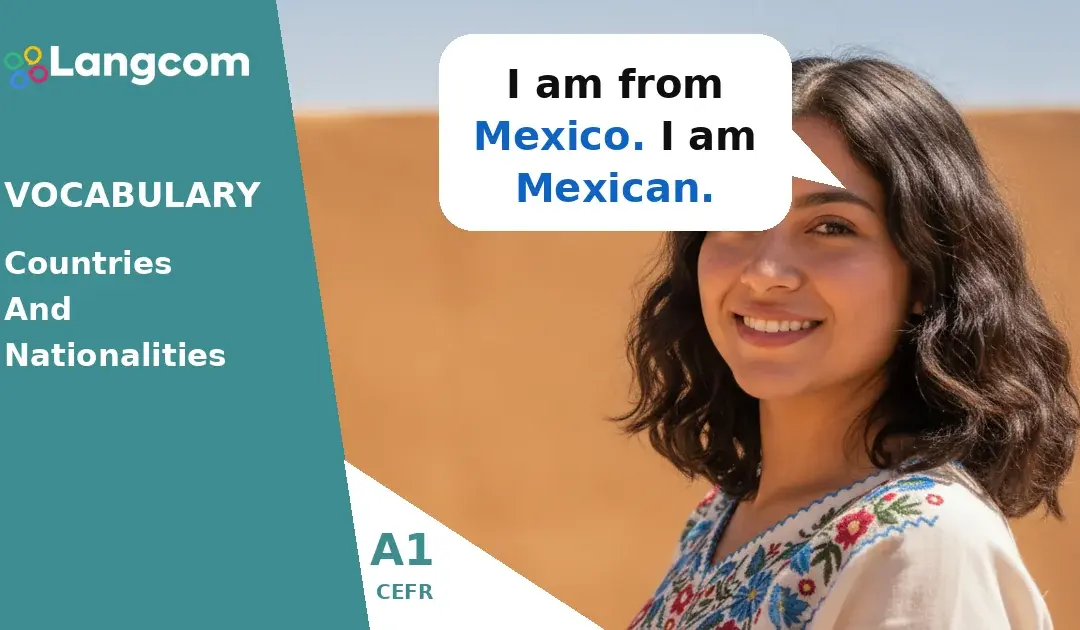
In English, countries tell us where a person or thing comes from, and nationalities describe their origin or identity. It’s important to always capitalize both countries and nationalities. For example, Spain is a country, and Spanish is the nationality. You can...
作者 劳尔 | 9 月 6, 2026 | B2 First (FCE)
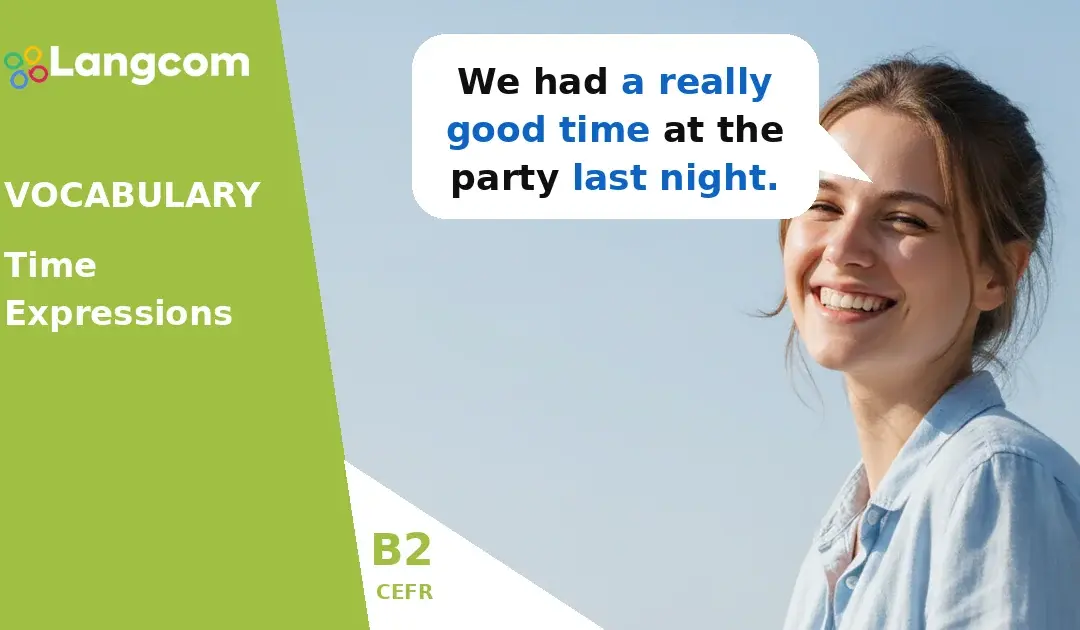
Mastering English time expressions is key to sounding natural and fluent at a B2 level. These phrases, often idiomatic, add richness and precision to your language, helping you describe when, how, and for how long things happen. Unlike direct translations, expressions...
