作者 劳尔 | 2026年9月8日 | B1中级英语
Mastering English question intonation is essential for clear communication and sounding natural. Your voice typically goes up at the end of yes/no questions, like Are you happy?, signaling that you expect a simple ‘yes’ or ‘no’ answer. In...
作者 劳尔 | 2026年9月8日 | B1中级英语
Learning health vocabulary helps you talk about feeling unwell, visiting the doctor, and getting better in English. This essential B1 vocabulary includes words for common illnesses like a cold, a headache, or a sore throat, and important places like the hospital or...
作者 劳尔 | 2026年9月8日 | 儿童英语预备A1级(初级)
Learning basic English words for directions helps you understand and give simple instructions when you travel. You will learn important verbs like turn left, turn right, and go straight. These verbs tell people how to move. You will also learn about important places...

作者 劳尔 | 2026年9月8日 | B1中级英语
We use used to + infinitive to talk about habits or situations that were true in the past but are not true now. This grammar point helps you describe how things were different for you, other people, or the world in general. For example, if you say “I used to...
作者 劳尔 | 2026年9月8日 | B1中级英语
To talk about health in English, we use specific word combinations called collocations. These are groups of words that often go together, making your English sound more natural and fluent. For example, we say eat a healthy diet, not ‘make a healthy diet’....
作者 劳尔 | 2026年9月8日 | B1中级英语
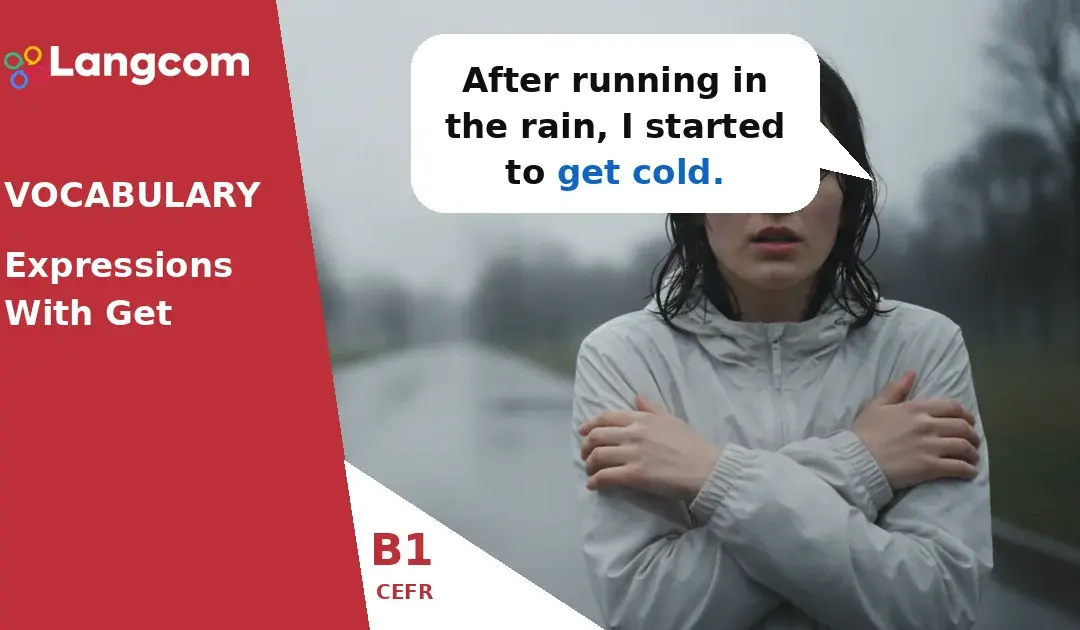
The verb get is one of the most common and versatile verbs in English, especially when combined with other words to form ‘collocations’. Collocations are natural word partnerships. They are groups of words that often go together, making your English sound...
