作者 劳尔 | 2026年9月9日 | B2 高级中级英语
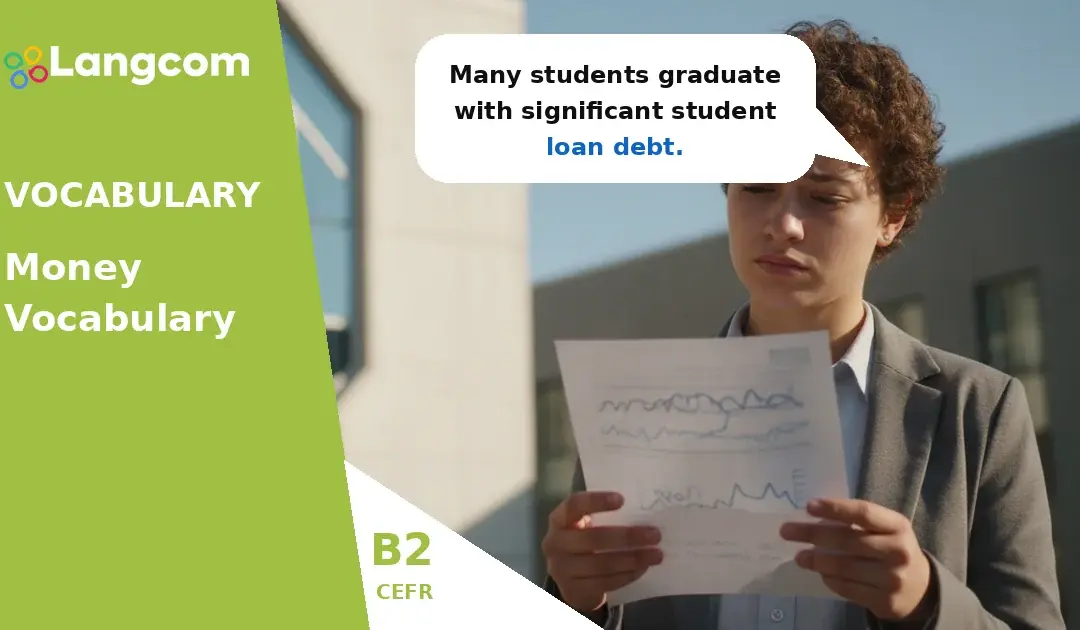
Understanding key money vocabulary is essential for discussing finance confidently in English. At B2 level, you need to go beyond basic terms and grasp words related to personal finance, business, and economics. This includes understanding concepts like debt, which is...
作者 劳尔 | 2026年9月9日 | Pre A1 Starters
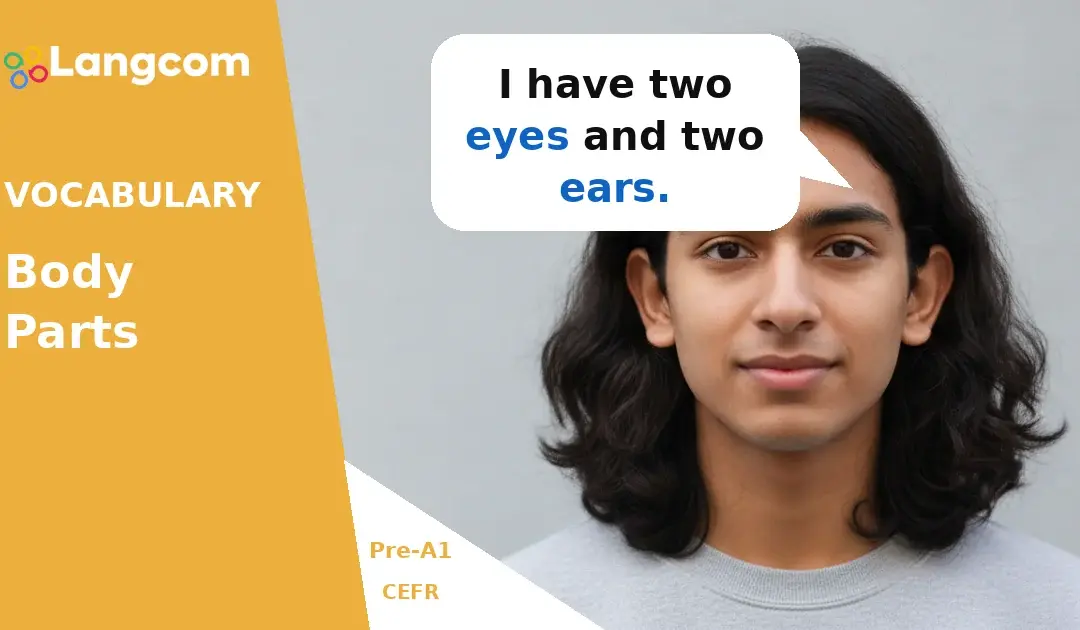
Learning the names of body parts in English is very important for everyday communication, especially when talking about health or describing people. These words are basic vocabulary for Pre-A1 learners. You use them to say I have a headache or My leg hurts. Knowing...
作者 劳尔 | 2026年9月9日 | A1 英语入门
To make negative sentences in the Present Simple for ‘he’, ‘she’, and ‘it’, you always use doesn’t followed by the base form of the verb. This means you do not add ‘-s’ to the main verb. For example, you say He...
作者 劳尔 | 2026年9月9日 | A1 英语入门
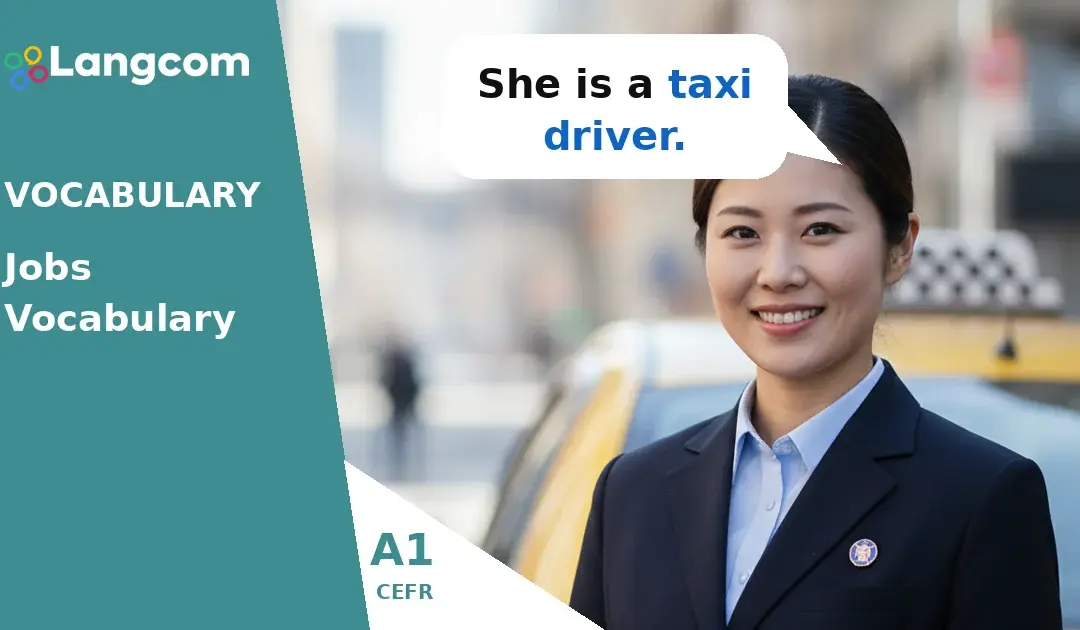
Learning job words helps you talk about what people do every day! In English, we use specific words to describe different jobs. For example, someone who helps customers in a shop is a shop assistant. If you drive a car for money, you are a taxi driver. People who...
作者 劳尔 | 2026年9月9日 | Pre A1 Starters
Colours are words we use to describe how things look. Learning basic English colours like red, blue, and yellow is important for describing objects, clothes, and many other things around us. Knowing these words helps you communicate clearly and understand descriptions...
作者 劳尔 | 2026年9月9日 | B2 First (FCE)
‘Unless’ is a conjunction that means ‘if not’. It introduces a condition that, if not met, will lead to a specific result. Think of it as saying ‘if this doesn’t happen’ or ‘if this isn’t true’. The most...
