
作者 劳尔 | 2026年9月14日 | B2 First (FCE)
When you use multiple adjectives before a noun in English, they follow a specific sequence. This order is not random; it helps English speakers understand descriptions clearly and naturally. While it might seem complex at first, there’s a general pattern that...

作者 劳尔 | 2026年9月14日 | B2 First (FCE)
Adjective-noun collocations are pairs of words that naturally go together in English, like heavy rain or strong argument. Learning these fixed combinations is crucial for B2 English learners because it helps you sound more natural and fluent, avoiding common errors...

作者 劳尔 | 2026年9月14日 | B2 First (FCE)
You use modal verbs like must, can’t, could, might, and may to express how certain you are about something. These verbs help you guess or make logical conclusions about present or past situations. For example, if you see someone yawning, you might say,...

作者 劳尔 | 2026年9月14日 | A2 Key (KET)
Understanding English tenses is essential for clear communication at the A2 level. Tenses help us talk about when actions happen: in the present, past, or future. For A2, you need to know the basic uses of six key tenses: Present Simple, Present Continuous, Past...
作者 劳尔 | 2026年9月14日 | A2 Key (KET)
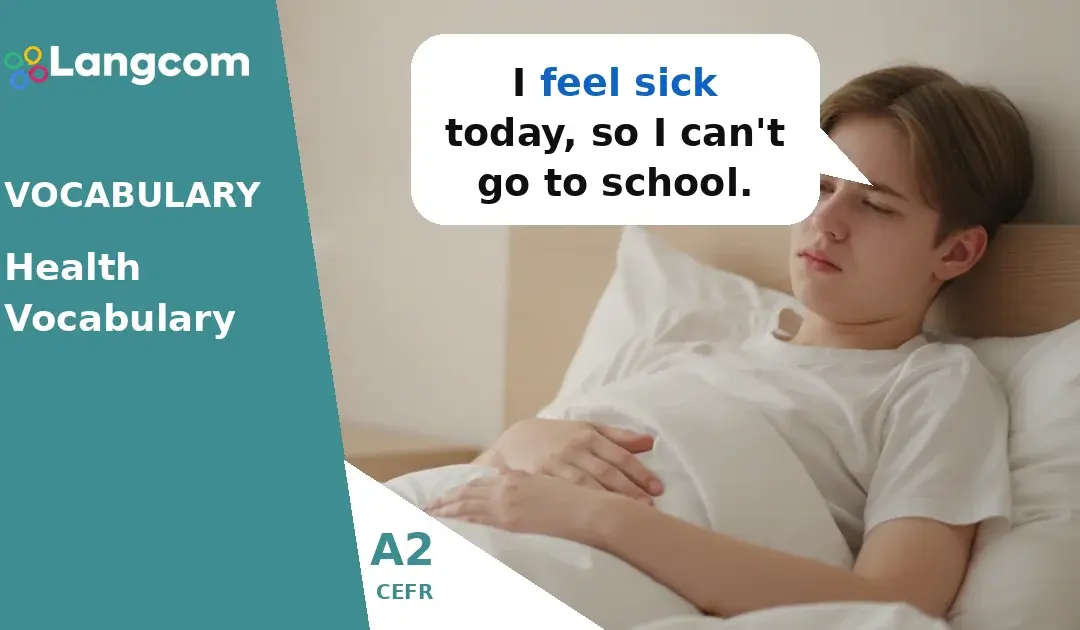
Learning common English words for health problems helps you talk about how you feel and understand others when you are not well. It is important to know how to describe your symptoms and ask for help. For example, if you feel unwell, you can say I am sick or I am ill....
作者 劳尔 | 2026年9月14日 | A2 Key (KET)
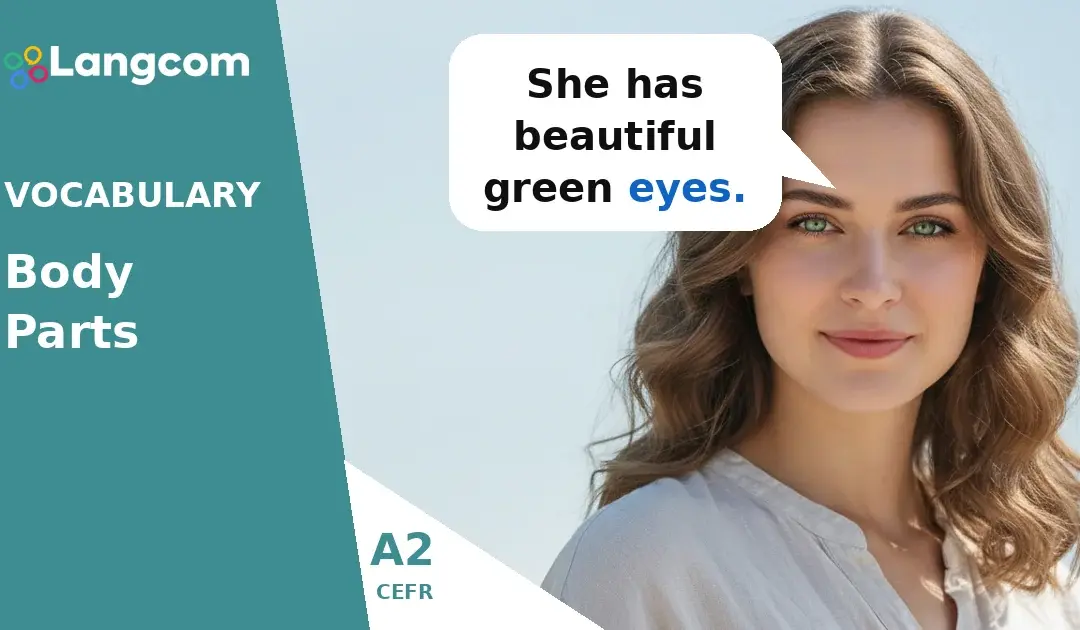
Learning body parts vocabulary is essential for A2 English learners because it helps you describe people, talk about health, and understand everyday conversations. Words like head, hand, and foot are fundamental for basic communication. This vocabulary is not only...
