
作者 劳尔 | 2026年9月22日 | A1 儿童英语入门
Learning vocabulary for places in town is very important for A1 English learners. These words help you talk about where you live, ask for directions, and describe your daily activities. You will learn words like airport, museum, restaurant, and shopping centre....
作者 劳尔 | 2026年9月22日 | A1 儿童英语入门
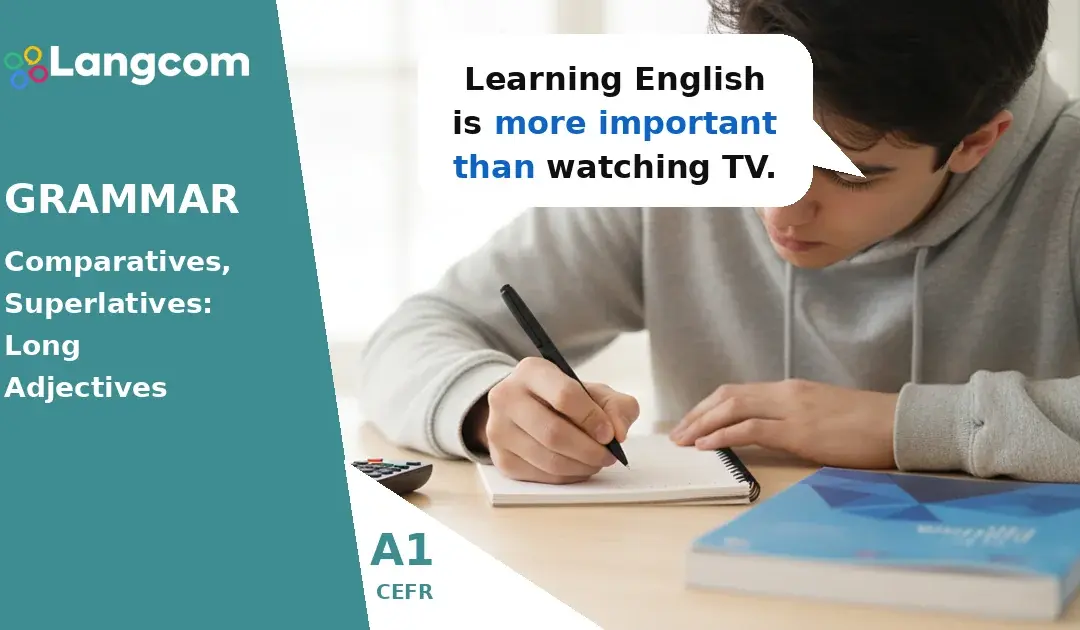
To compare two things using long adjectives in English, we use more before the adjective. To compare three or more things and say which is the top one, we use the most before the adjective. This grammar helps you describe differences and similarities clearly. For...
作者 劳尔 | 2026年9月22日 | C1 Advanced (CAE)
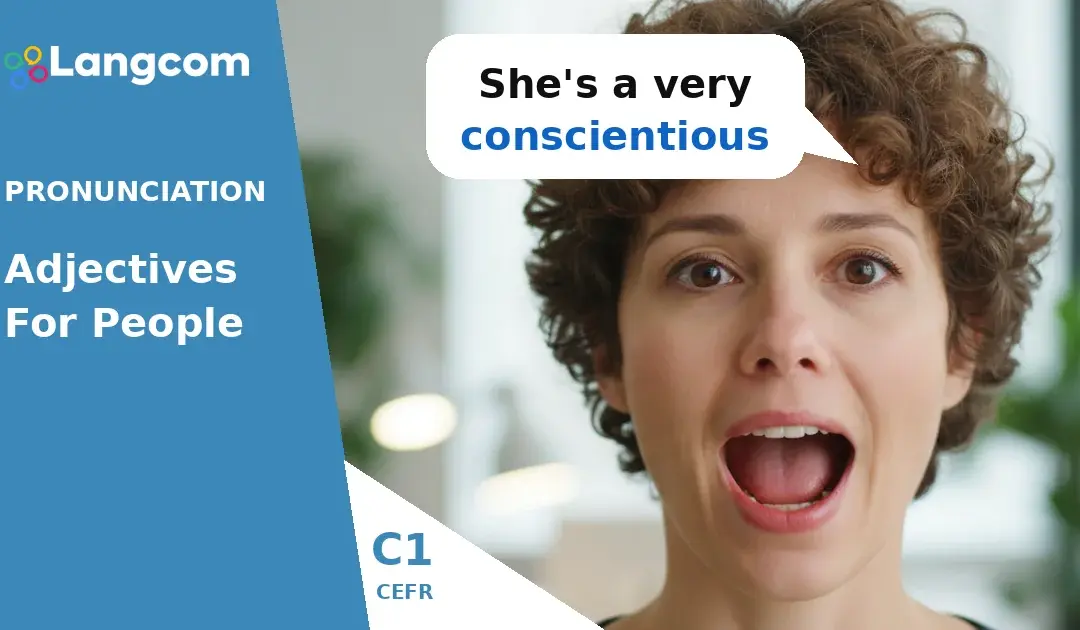
Accurate pronunciation of C1 adjectives is essential for clear communication and achieving a high score in exams like the C1 Advanced (CAE). Many longer English adjectives, especially those used to describe personality, have specific stress patterns and tricky vowel...
作者 劳尔 | 2026年9月22日 | C1 Advanced (CAE)
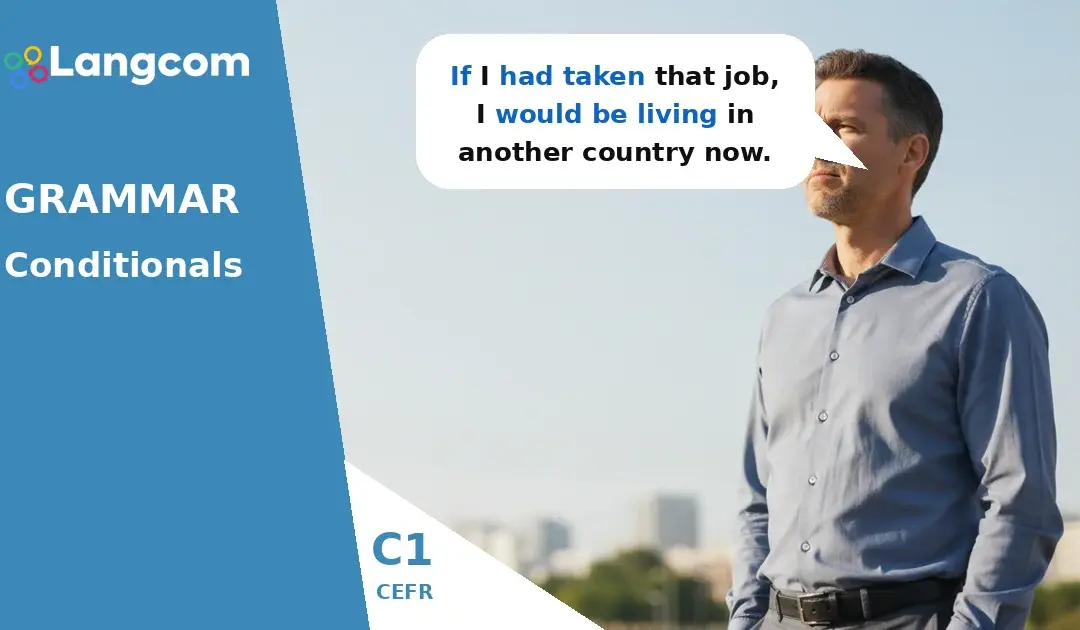
Advanced conditionals in English allow you to express complex relationships between actions and situations across different timeframes. Unlike basic conditional types, C1 conditionals often mix tenses to show how a past action affects the present, or how a present...

作者 劳尔 | 2026年9月22日 | C1 Advanced (CAE)
To describe people accurately and express complex ideas in English, C1 learners need a rich vocabulary of personality adjectives. These advanced words allow you to go beyond basic descriptions, adding nuance and depth to your communication. For example, instead of...

作者 劳尔 | 2026年9月22日 | A1 儿童英语入门
To compare two things in English, we use comparative adjectives. These special words help us say that one thing has more of a quality than another. For example, if you have two apples, one might be bigger than the other. We change the adjective to show this...
