
作者 劳尔 | 2026年7月13日 | A1 英语入门
To ask about prices in English, use How much is it? for one item or How much are they? for many items. To say a price, state the main number, then the currency, and then the smaller number (like cents or pence). For example, £5.99 is five pounds ninety-nine. It is...

作者 劳尔 | 2026年7月13日 | 儿童英语预备A1级(初级)
Learning basic English drinks vocabulary is essential for daily conversations and ordering food or drinks. This guide will help you understand and use common words like water, coffee, tea, and juice. Knowing these words allows you to express what you want to drink at...

作者 劳尔 | 2026年7月13日 | 儿童英语预备A1级(初级)
To ask questions in the present simple, we use the helping verbs do or does before the subject. This is how we ask about habits, routines, facts, and general truths. For example, you ask Do you like pizza? to know someone’s general preference. We use do for...
作者 劳尔 | 2026年7月13日 | 儿童英语预备A1级(初级)
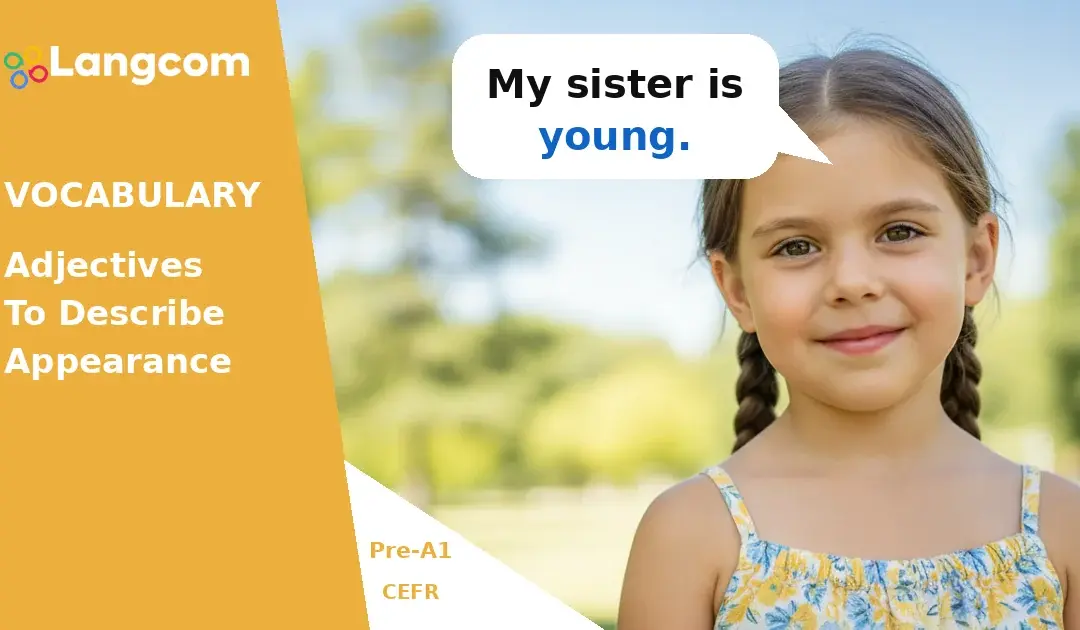
Adjectives for appearance are words that describe how a person looks. These words help you talk about someone’s age, size, or general look. For example, you can say She is tall or He is young. In English, adjectives usually come before the noun they describe,...

作者 劳尔 | 2026年7月13日 | 儿童英语预备A1级(初级)
This, that, these, and those are demonstrative words in English. They help us point to specific things or people. We use them to show if something is close to us or far away, and if it is one thing (singular) or many things (plural). Think of them like pointing with...
作者 劳尔 | 2026年7月13日 | 儿童英语预备A1级(初级)
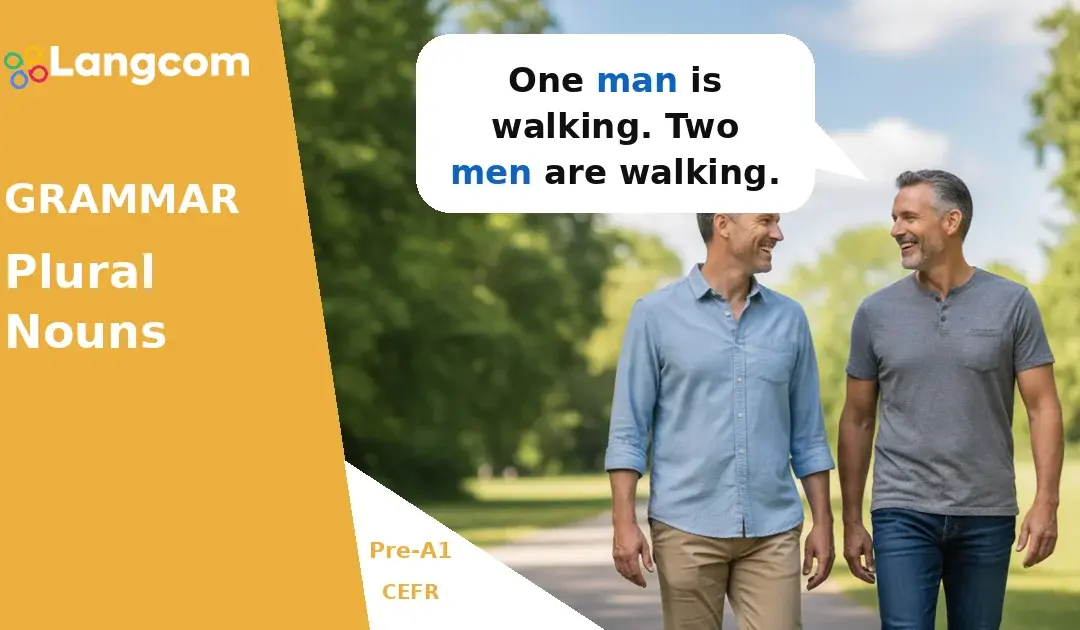
In English, most nouns become plural by adding -s at the end, like cat to cats. But some nouns are special. They are called irregular plural nouns. These words do not follow the normal rule. Instead, they change their form in different ways. For example, one man...
