作者 劳尔 | 2026年9月11日 | C1 Advanced 英语
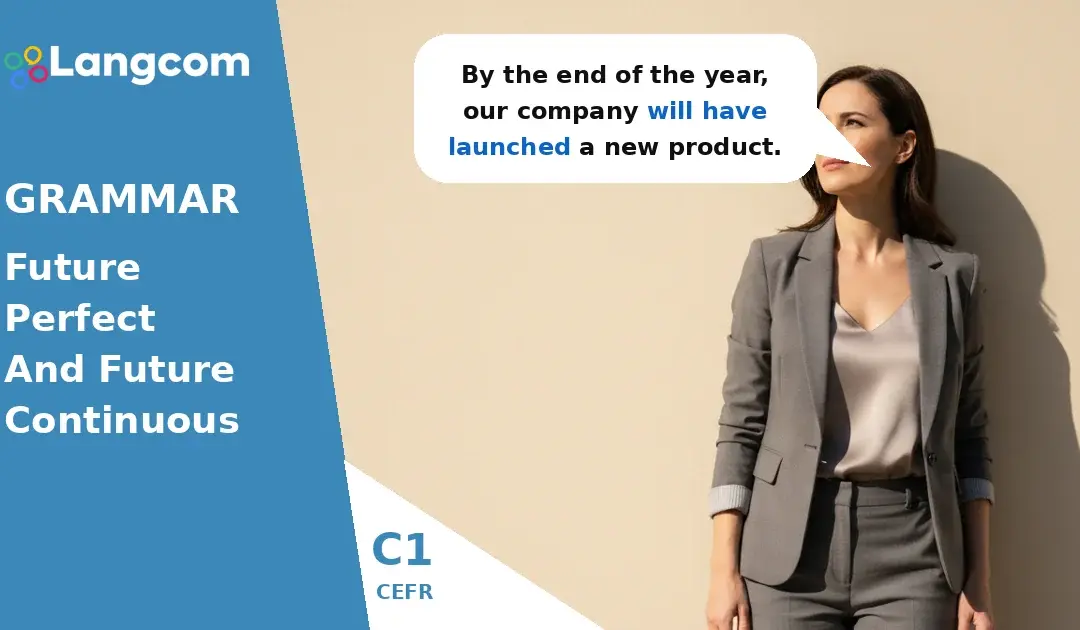
The future perfect tense describes an action that will be completed before a specific time or another action in the future. It focuses on the result or completion of an event by a future deadline. For example, By 2025, I will have learned English fluently. In...
作者 劳尔 | 2026年9月11日 | C1 Advanced 英语
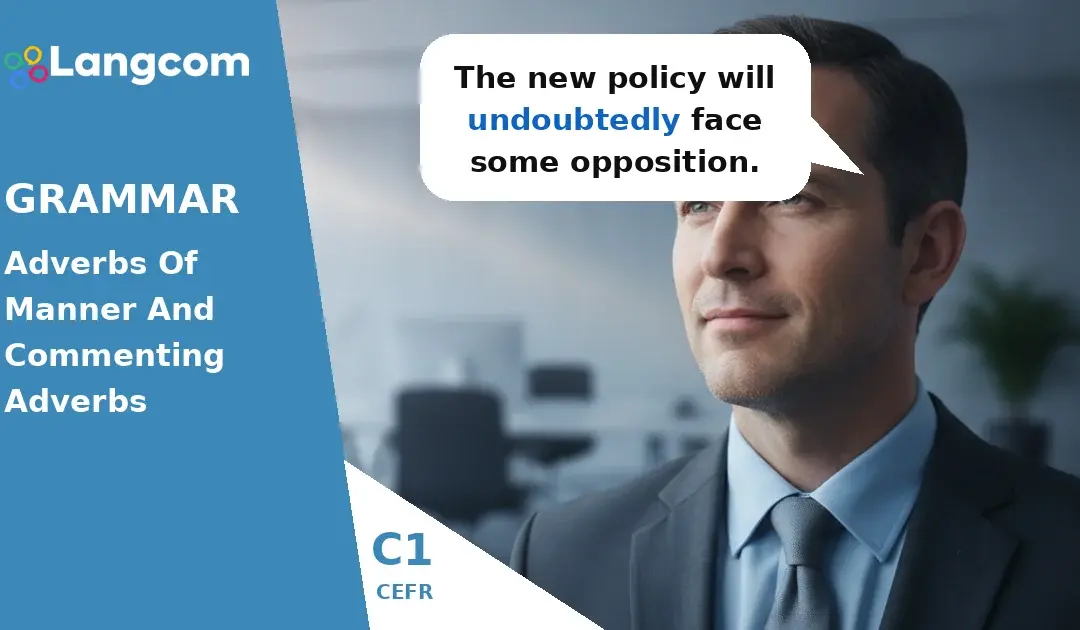
Commenting adverbs with future forms allow you to express your personal opinion or attitude about how likely, certain, or desirable a future action or situation is. These adverbs, such as undoubtedly, inevitably, or fortunately, don’t describe how an action is...
作者 劳尔 | 2026年9月11日 | C1 Advanced 英语
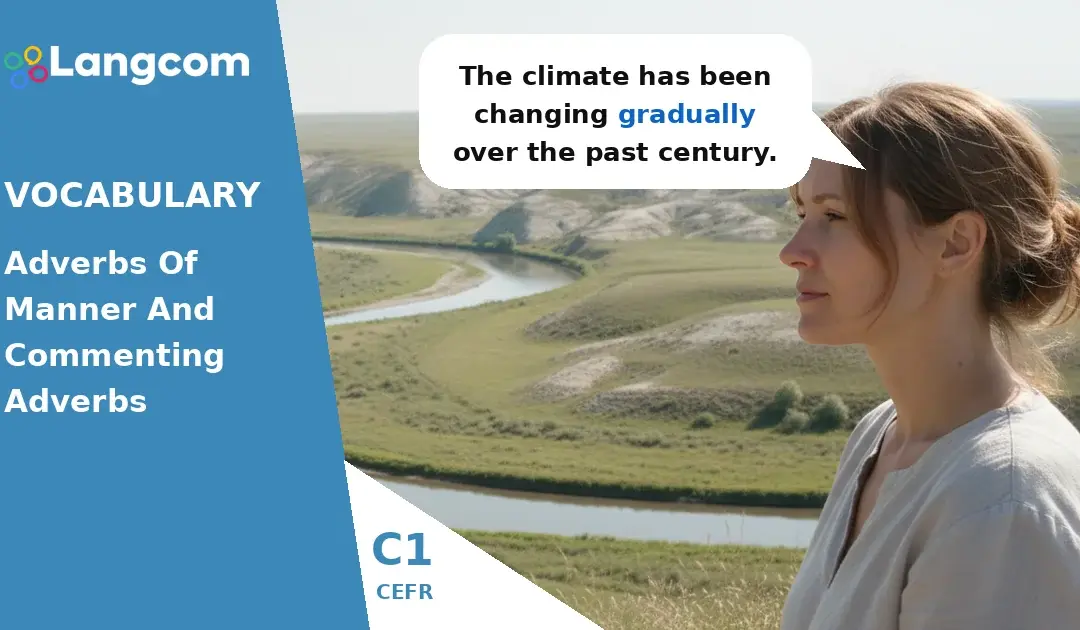
C1 adverbs of manner, degree, and commenting are essential tools for expressing precise meaning, showing the extent of change, or conveying your opinion about an entire statement. These advanced adverbs allow you to add sophistication and nuance to your English,...
作者 劳尔 | 2026年9月11日 | C1 Advanced 英语
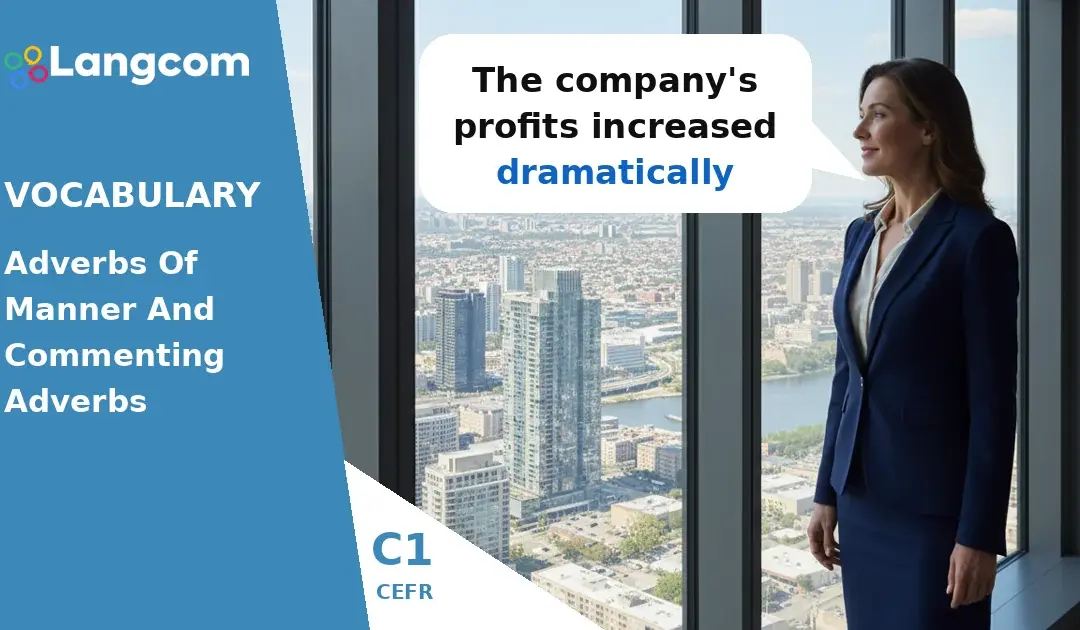
Adverbs add crucial detail to your English, but understanding their type is key for C1 precision. Adverbs of manner describe how an action is performed, directly modifying a verb, adjective, or another adverb. They answer the question ‘how?’ and usually...
作者 劳尔 | 9 月 6, 2026 | C1 Advanced 英语
Mastering the distinction between tense and lax vowels is a key step for C1 English learners to achieve native-like pronunciation and improve listening comprehension. Tense vowels, often called ‘long’ vowels, are produced with more muscular effort, a more...
作者 劳尔 | 9 月 6, 2026 | C1 Advanced 英语
Connected speech is how English words join together when spoken naturally, making the language flow smoothly. The most important part of connected speech for C1 learners is linking, where the end of one word connects to the beginning of the next. This happens...
