作者 劳尔 | 2026年7月29日 | B2 高级中级英语
Collocations are pairs or groups of words that naturally go together in English. For B2 learners, mastering natural world collocations is crucial for discussing environmental topics with accuracy and fluency. These fixed expressions, like climate change or carbon...
作者 劳尔 | 2026年7月29日 | B2 高级中级英语
To express future probability in English, we use a variety of modal verbs, adverbs, and phrases to show how certain or uncertain we are about an event happening. These expressions allow us to communicate different degrees of likelihood, from almost 100% certain to...
作者 劳尔 | 2026年7月29日 | B2 高级中级英语
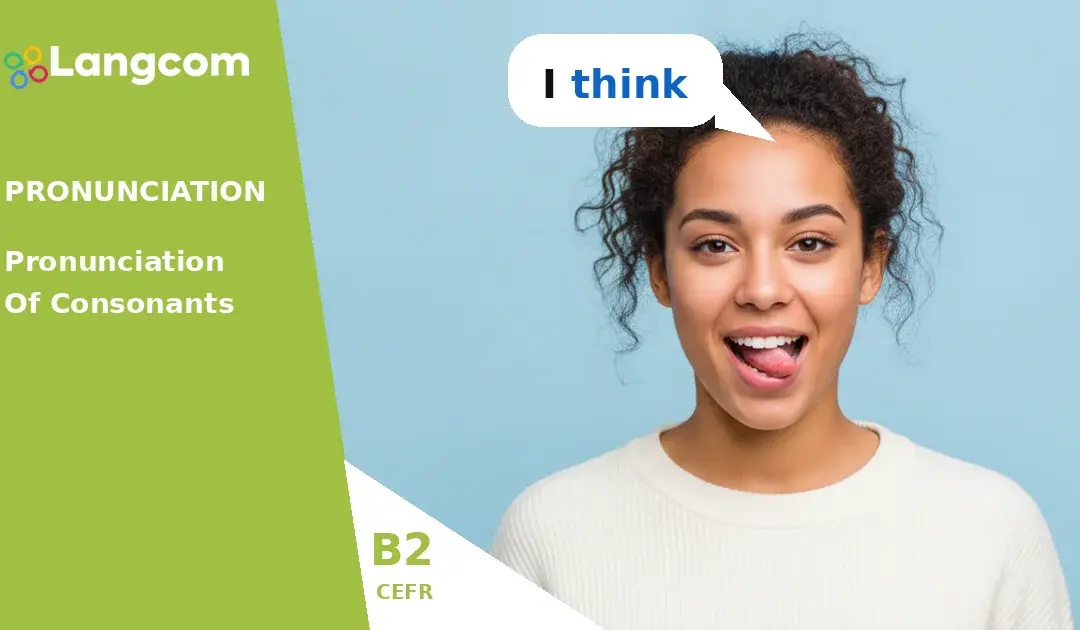
The English ‘th’ sound has two distinct pronunciations: voiceless /θ/ and voiced /ð/. Mastering these sounds is crucial for clear communication in English. The voiceless /θ/ sound, as in think or bath, is made without vibrating your vocal cords. In...
作者 劳尔 | 2026年7月29日 | B2 高级中级英语
Adjectives describing attitude help you explain how people think or feel about situations, other people, or the future. These words go beyond simple emotions; they show a person’s general outlook or perspective. For example, someone might be optimistic, always...
作者 劳尔 | 2026年7月29日 | B2 高级中级英语
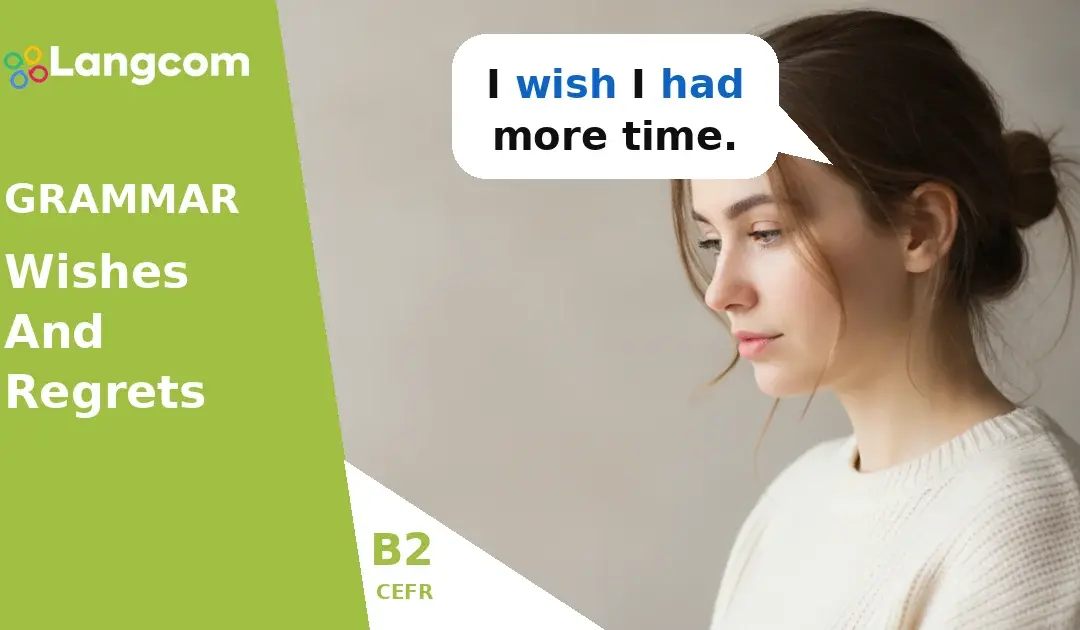
To express wishes and regrets in English, we use specific grammar patterns like wish, if only, and should have + past participle. These structures help us talk about situations we want to be different, either in the present, past, or future. We use different verb...

作者 劳尔 | 7 月 28, 2026 | B2 高级中级英语
Adjectives with negative prefixes like un-, in-, dis-, im-, il-, and ir- change the meaning of a word, often making it the opposite. These prefixes attach to the beginning of an adjective to create a new word with a contrasting sense. For example, happy becomes...
