
作者 劳尔 | 2026年9月10日 | B1中级英语
Understanding vocabulary for degree subjects is essential for B1 English learners to discuss education and future plans clearly. These words describe the specific areas of study you can pursue at a university or college to earn a degree. For example, you might study...

作者 劳尔 | 2026年9月9日 | B1中级英语
Intonation is the music of English, and it helps listeners understand if you have finished speaking or if you have more to say. Generally, a falling intonation (your voice goes down) signals that you are finishing a thought, making a statement, or asking a...
作者 劳尔 | 2026年9月9日 | B1中级英语
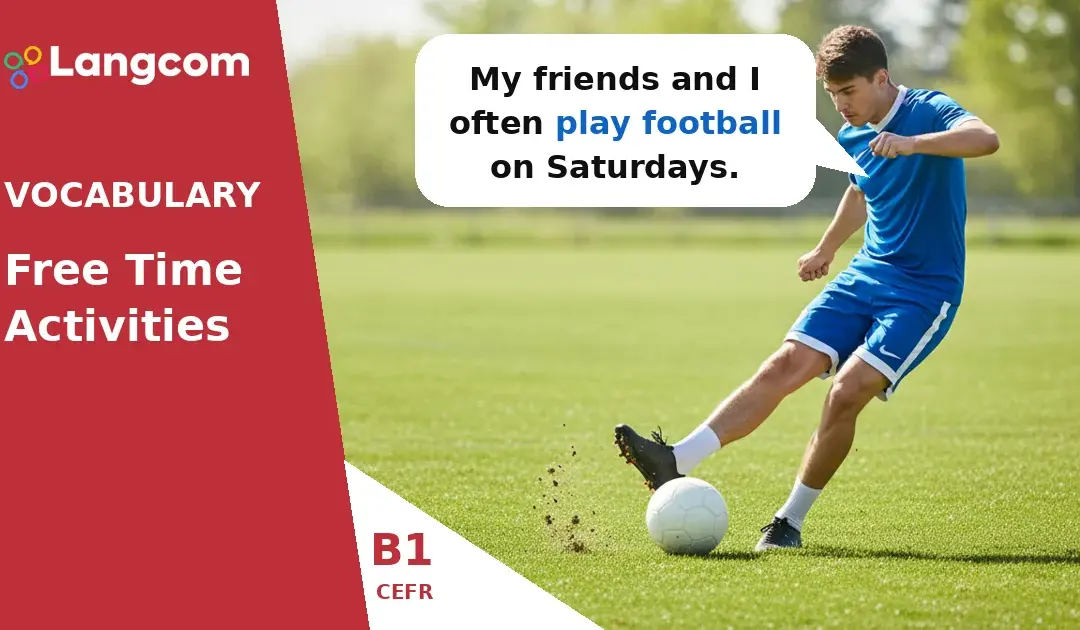
To choose the correct verb for sports and activities in English, remember these simple rules: use play for team sports or games with a ball, go for activities ending in -ing (often individual or adventure sports), and do for individual activities, martial arts, or...

作者 劳尔 | 2026年9月9日 | B1中级英语
The present perfect with for and since helps us talk about actions or situations that started in the past and are still true or happening now. It connects a past event to the present moment. We use for to describe the *duration* of time, meaning how long something has...
作者 劳尔 | 2026年9月8日 | B1中级英语
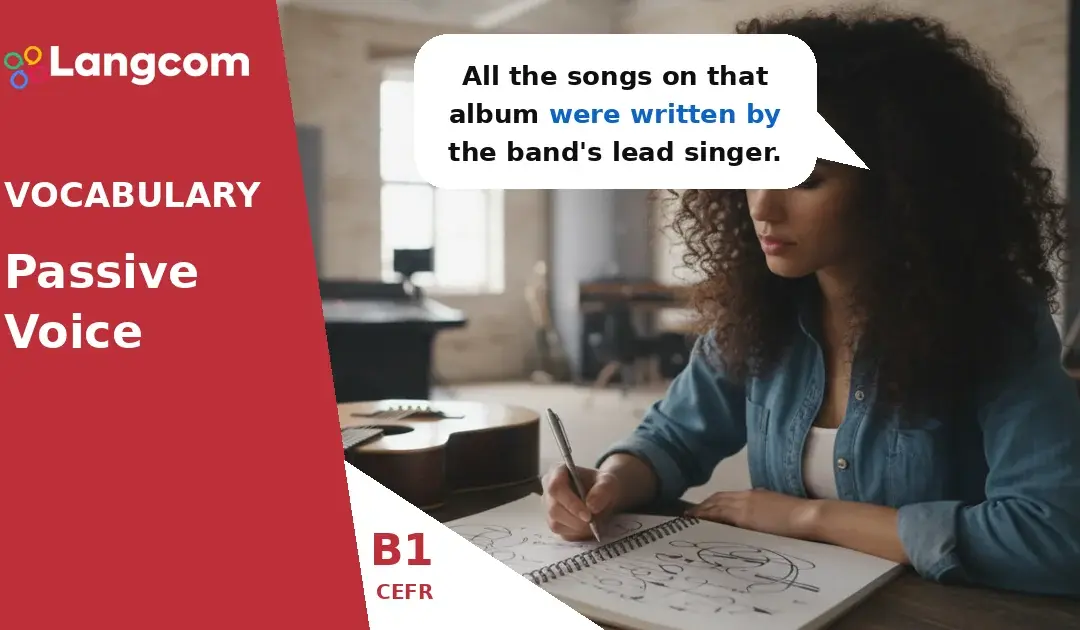
The passive voice helps us talk about actions when the focus is on the action itself or the receiver of the action, not who performed it. We use it when the person or thing doing the action (the ‘agent’) is unknown, unimportant, or obvious, or when we want...
作者 劳尔 | 2026年9月8日 | B1中级英语
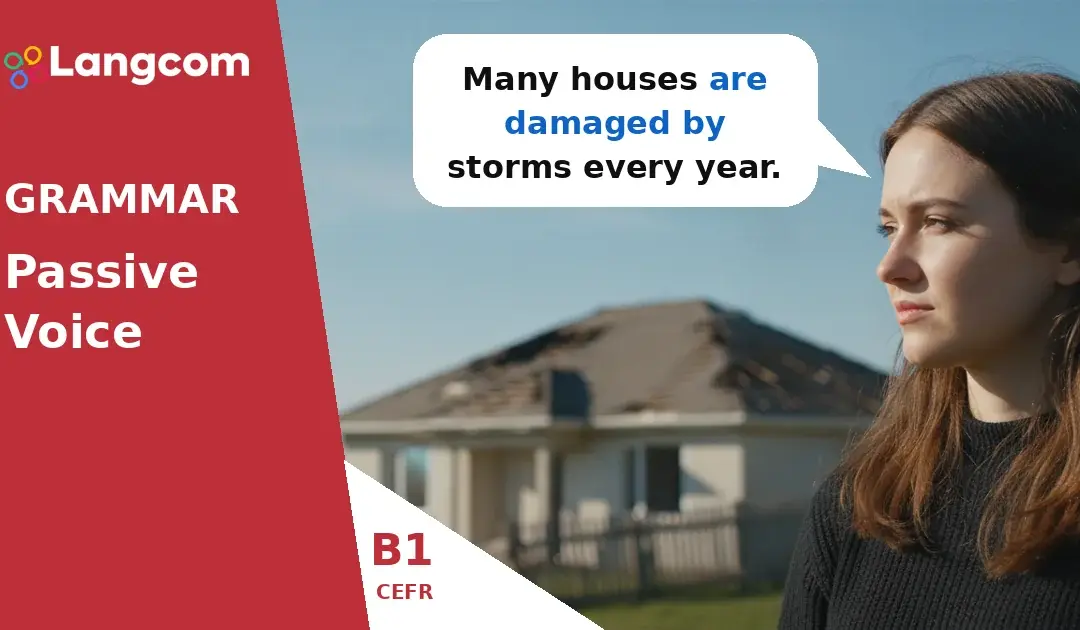
The passive voice helps you focus on the action or its result, not who did it. We use it when the person or thing doing the action (the ‘agent’) is unknown, unimportant, or obvious. It is also common in formal writing, news reports, and scientific...
