作者 劳尔 | 7 月 15, 2026 | A1 英语入门
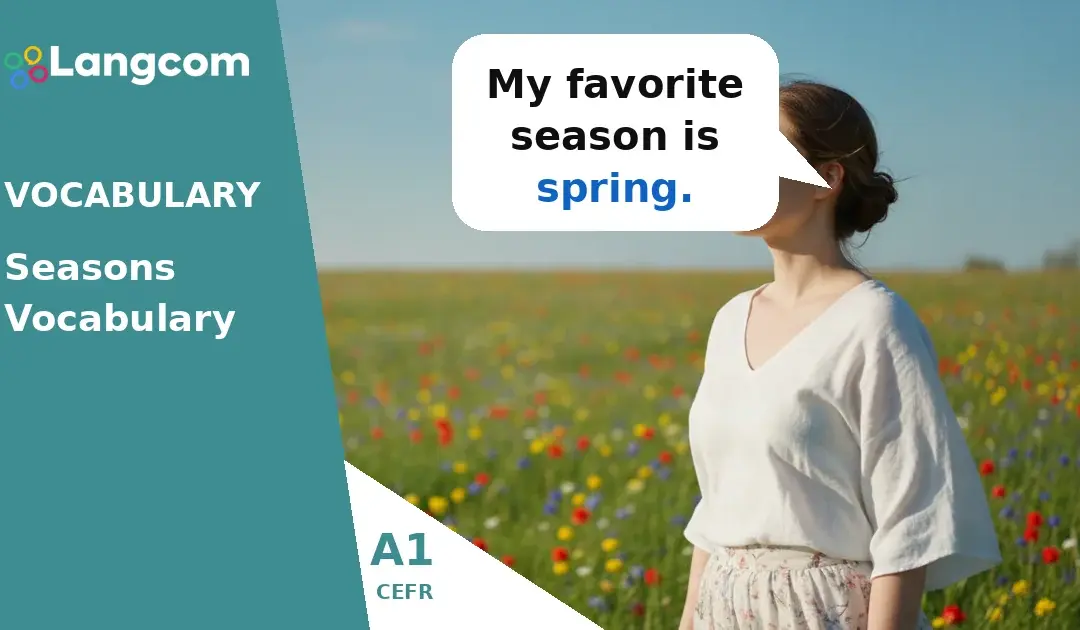
The four main seasons in English are spring, summer, autumn (or fall), and winter. Each season brings different weather and changes in nature. Learning these words helps you talk about the weather, your favorite time of year, and daily activities. For example, you can...

作者 劳尔 | 2026年7月14日 | A1 英语入门
To talk about actions that *did not happen* in the past, we use the Past Simple Negative form. This is very common in English when you want to say something didn’t occur at a specific time before now. The structure is simple: you use did not (or the short form...
作者 劳尔 | 2026年7月14日 | A1 英语入门
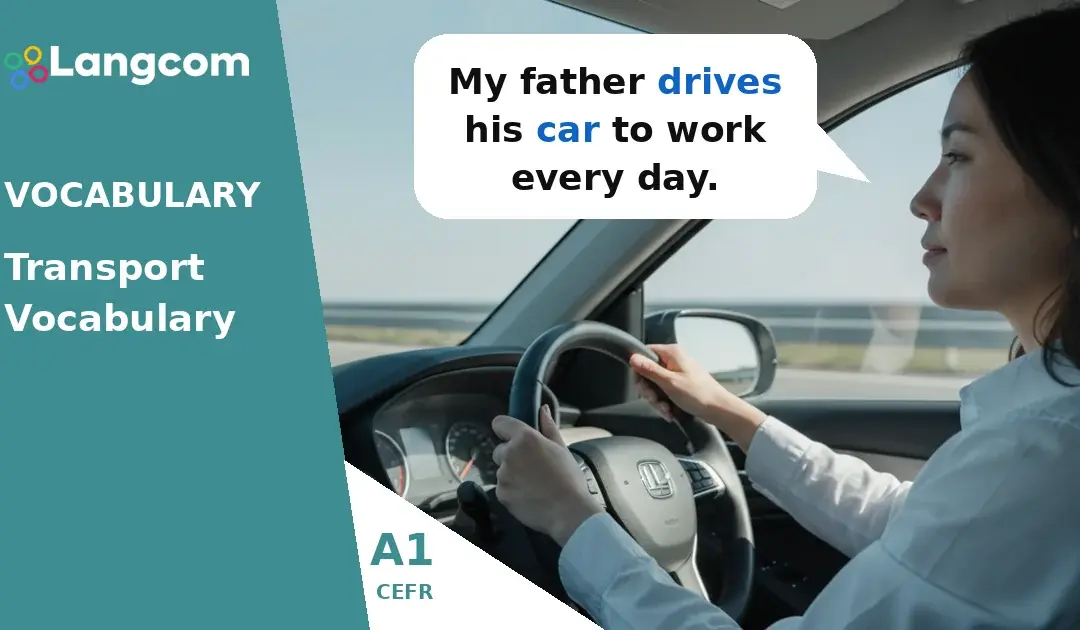
Learning basic transport vocabulary helps you talk about how you travel every day. Words like car, bus, train, and plane are very important for A1 English learners. You can use them to describe your daily commute, plan a trip, or understand simple conversations about...

作者 劳尔 | 2026年7月14日 | A1 英语入门
Main stress is when one word in a sentence is spoken louder and longer than the others. This makes your English sound clearer and more natural to listeners. Think of it like a drum beat: some beats are stronger than others. In English, some words carry more importance...
作者 劳尔 | 2026年7月14日 | A2 基础英语
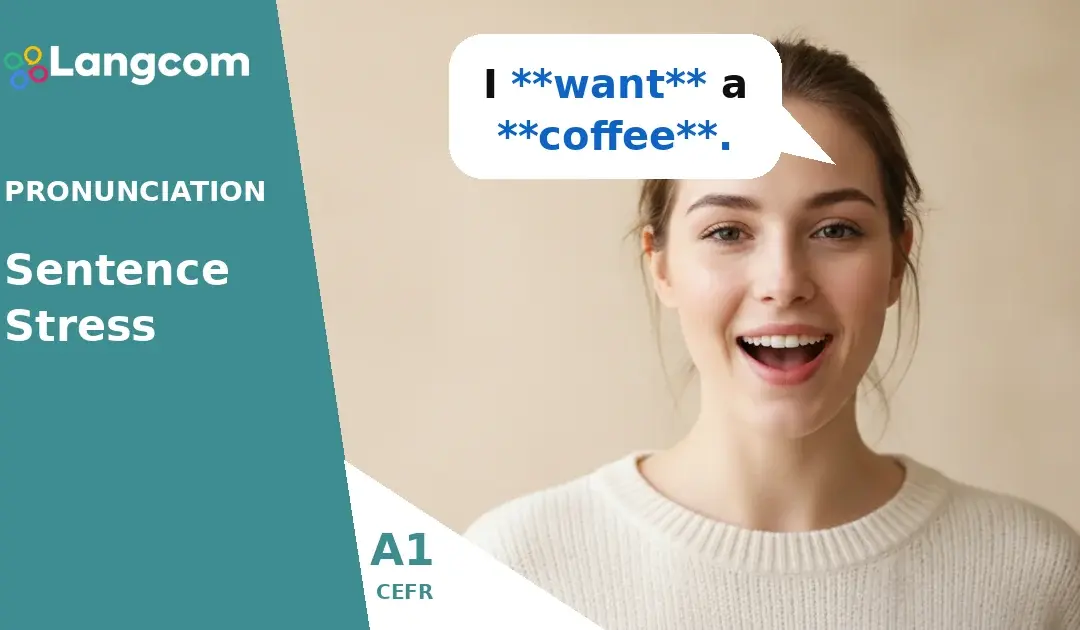
Sentence stress helps you speak English clearly and naturally. In English, not all words in a sentence are equally important. Some words are ‘strong’ – we say them louder, longer, and with a higher pitch. These are usually words that carry the main...
作者 劳尔 | 2026年7月14日 | A1 英语入门
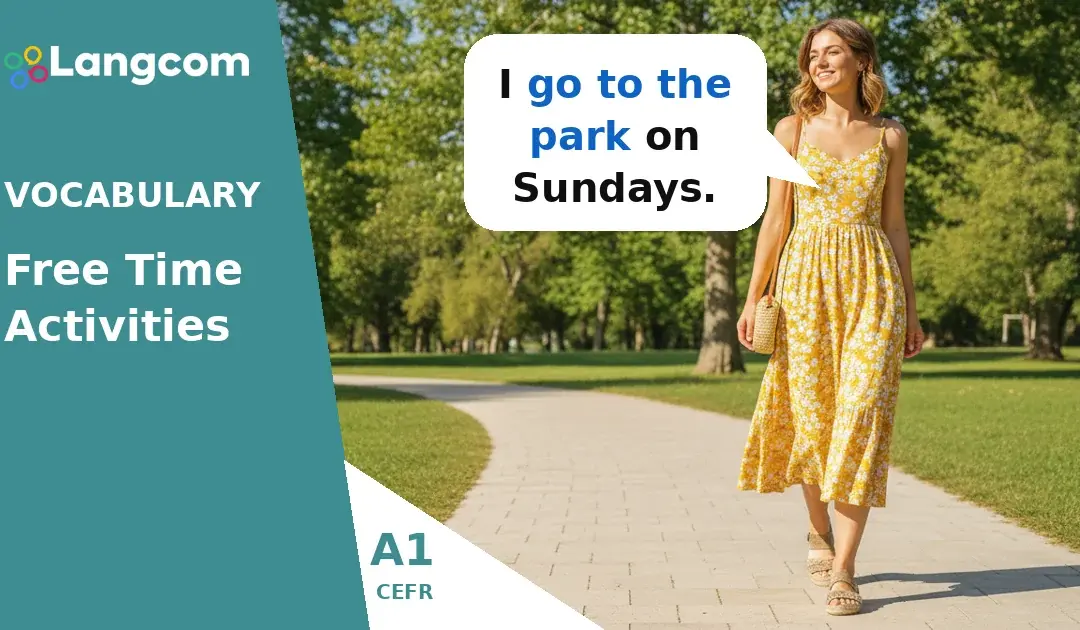
To talk about what you do for fun in English, you need to learn specific verbs that go with different free time activities. These combinations are called collocations. For example, we say go shopping, not do shopping. Learning these common verb-activity pairs will...
